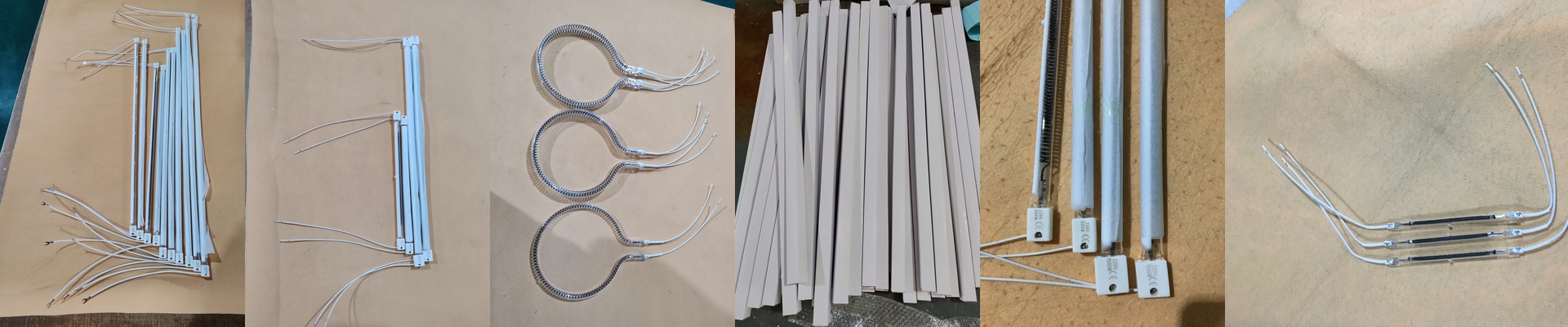
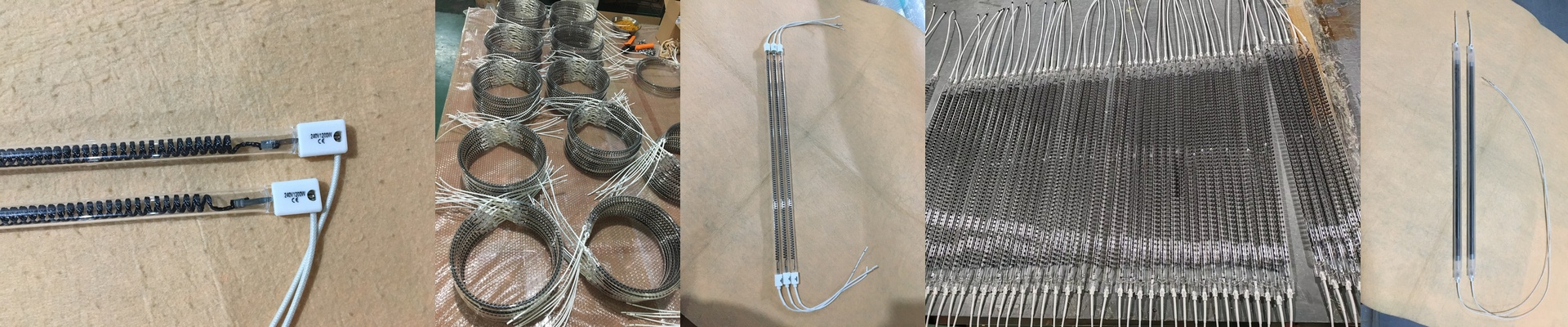
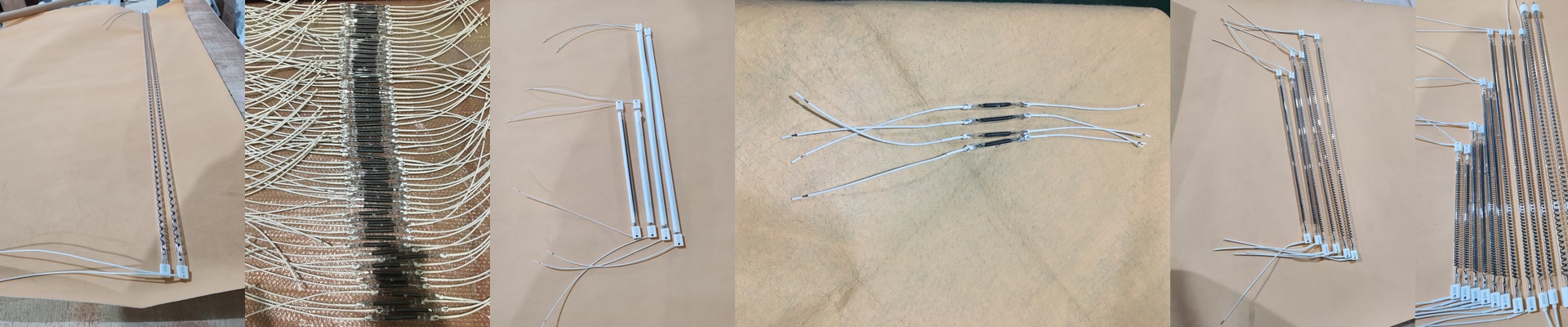
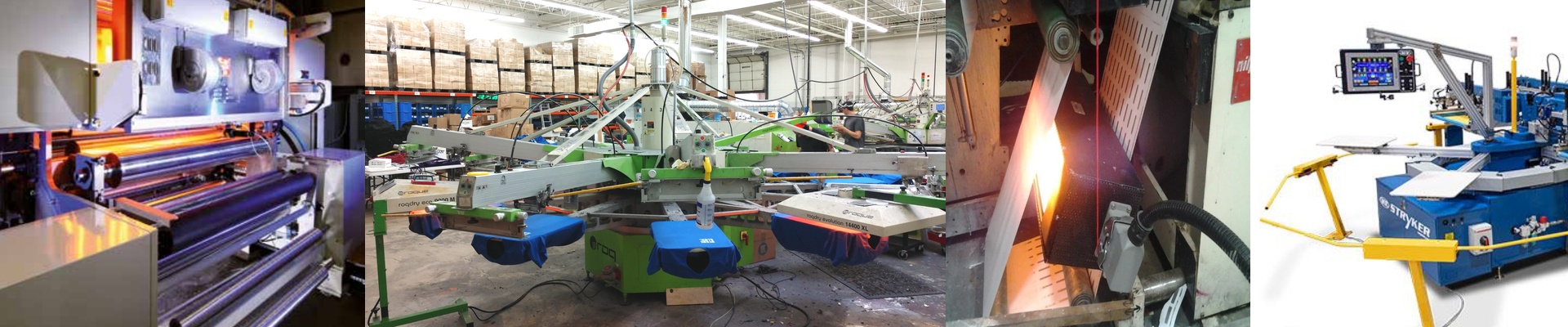
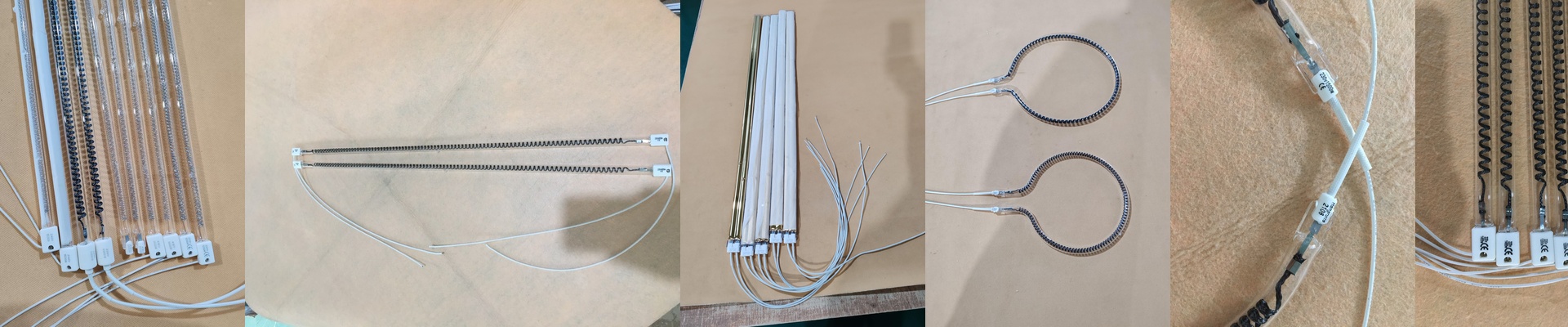
Let’s talk about our Carbon Fiber Quartz Heat Lamps
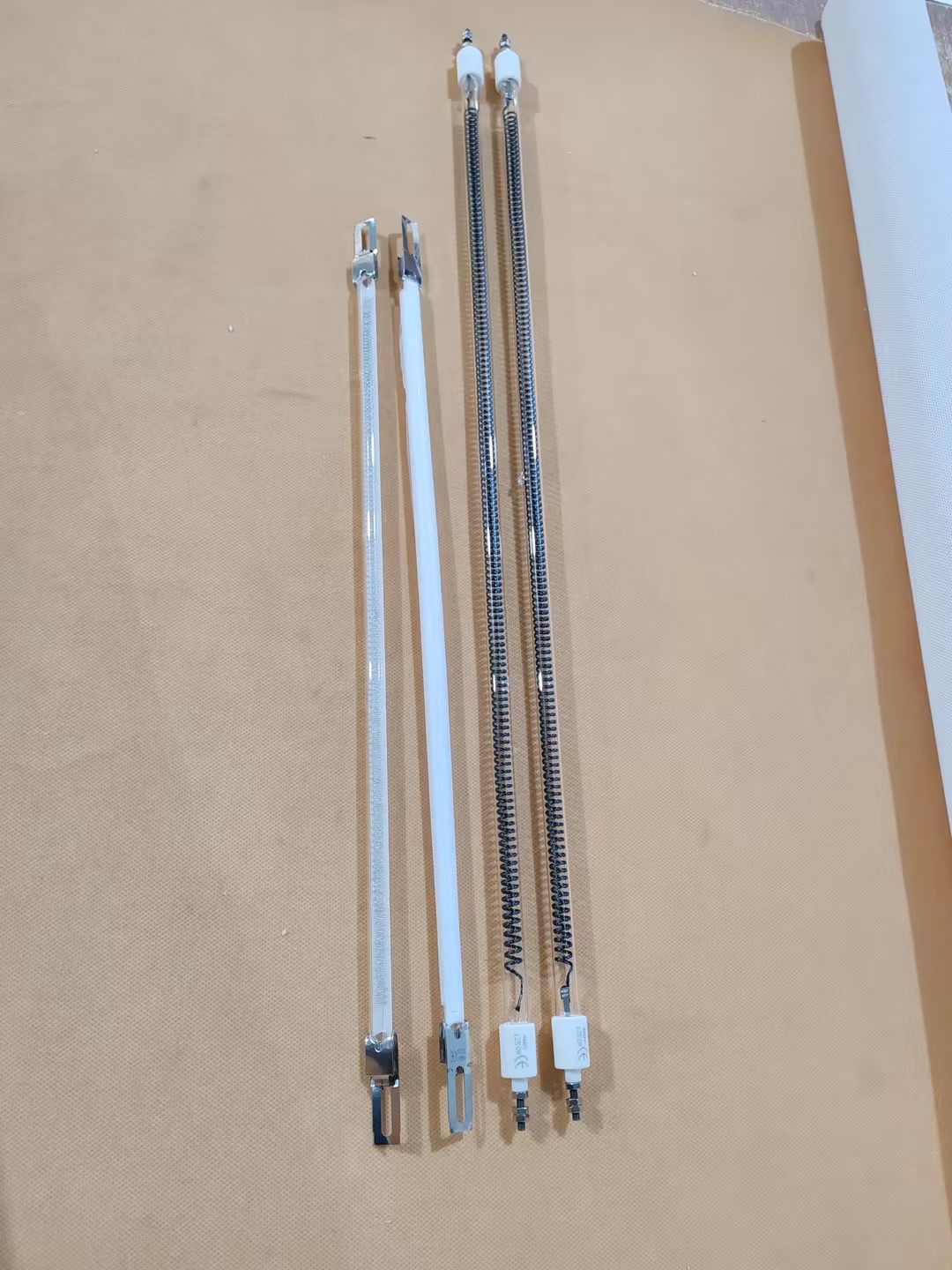
We built these lamps for those nightmare scenarios where standard metal filaments just give up. When you’re dealing with massive thermal loads, you need something that doesn’t quit. That’s why we use a carbon fiber filament tucked inside a high-purity quartz tube. It changes the way the heat hits, giving you a concentrated blast of infrared energy right where you need it.
Getting the power right
Here’s the thing: the performance really comes down to how much wattage you’re packing into the length of the tube. If you’re working with a tiny footprint, you’ve got to be careful with your voltage and current. If you get it wrong, the lamp burns out way too fast. We use high-voltage setups so we can push more power through a shorter tube without frying the leads. But a word of warning:**your power supply has to be a perfect match.**If you over-volt these, that carbon filament will snap in a heartbeat. No exceptions.
Why quartz and carbon?
We went with quartz because it’s basically a window for shortwave IR—it lets the heat pass through without soaking it up. The carbon fiber is the real star here. It hits higher temperatures than tungsten, which means it ramps up to full heat fast. Really fast. Sometimes we add special coatings to the glass to tweak the wavelength. This keeps the heat from wasting away on your machine frame and puts all that energy directly onto your workpiece.
Plugging them in (and keeping them alive)
We use standard R7s or Sk15 connectors, so you can just pop these into your existing setup and get moving. But be careful.Quartz is fragile. And please, for the love of everything, don’t touch the glass with your bare hands. A single fingerprint or a smudge of oil creates a “hot spot.” Once that happens, the tube will likely crack or fail. One last thing: these lamps put out a serious amount of heat. Make sure your fans and vents are actually up to the task. If the air around the housing gets too hot, the end caps will start to degrade. Once that vacuum seal leaks, the filament is toast.