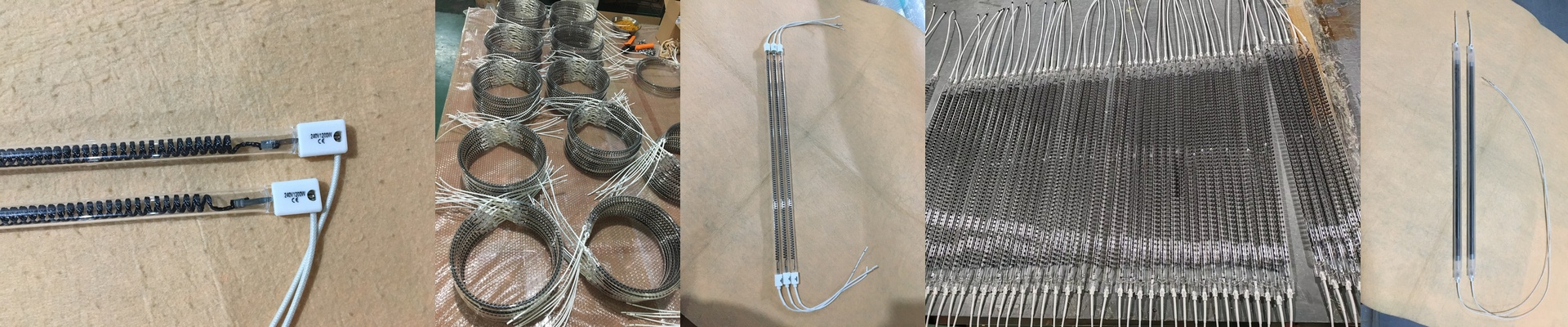
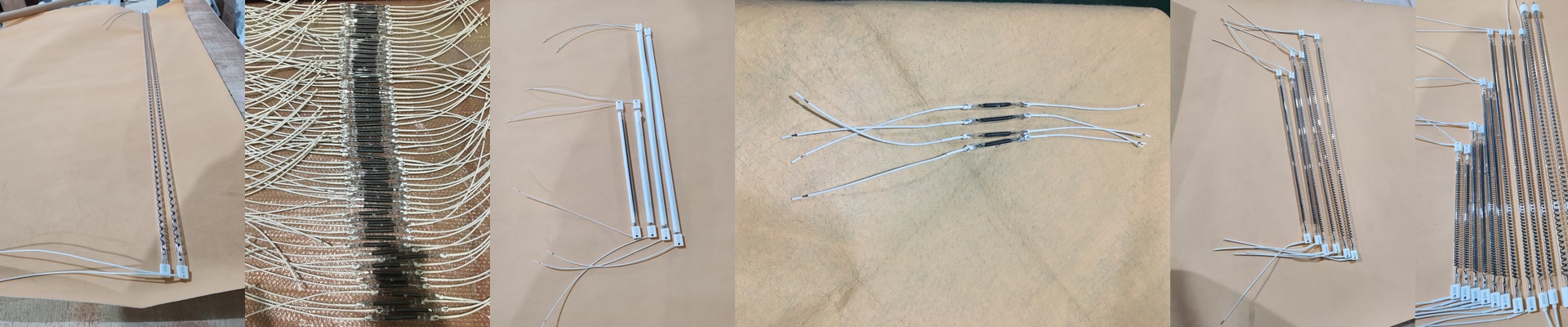
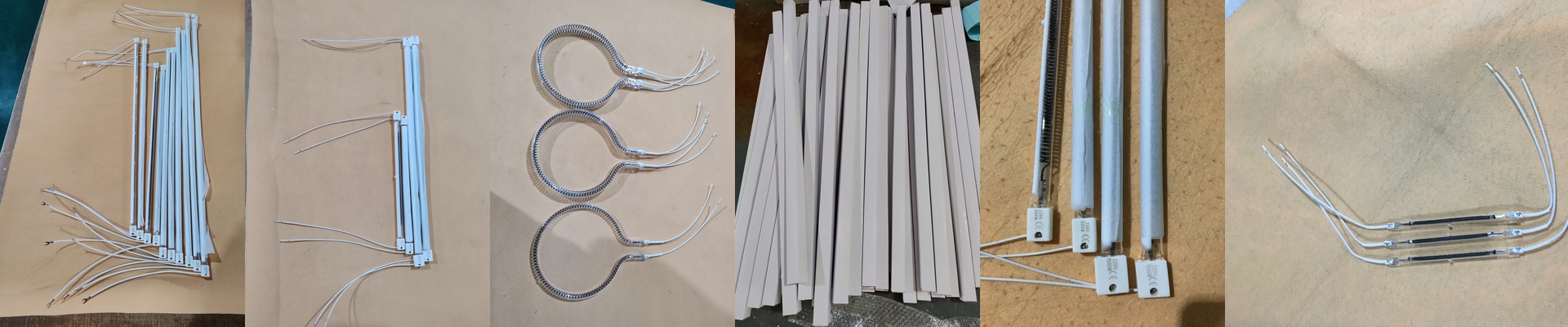
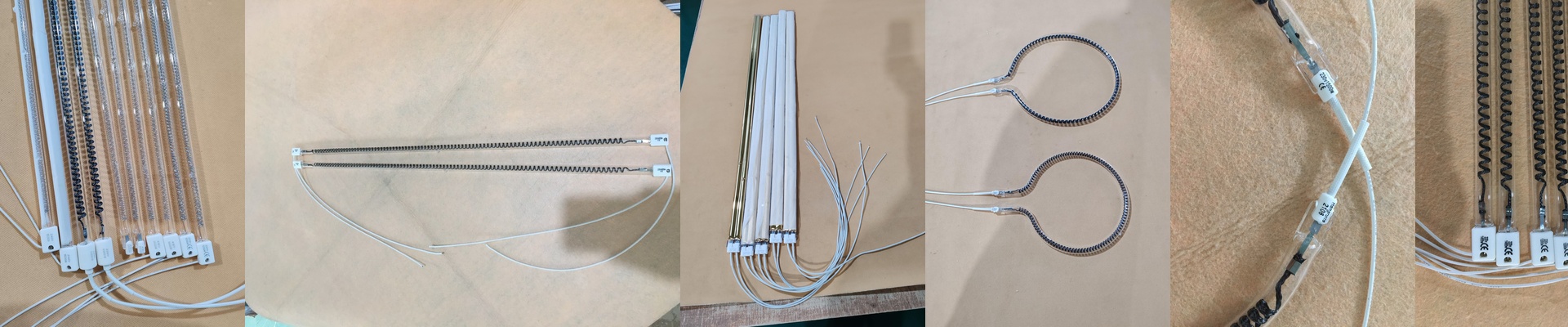
Let’s talk about these 230V 1800W Quartz Carbon Heating Elements
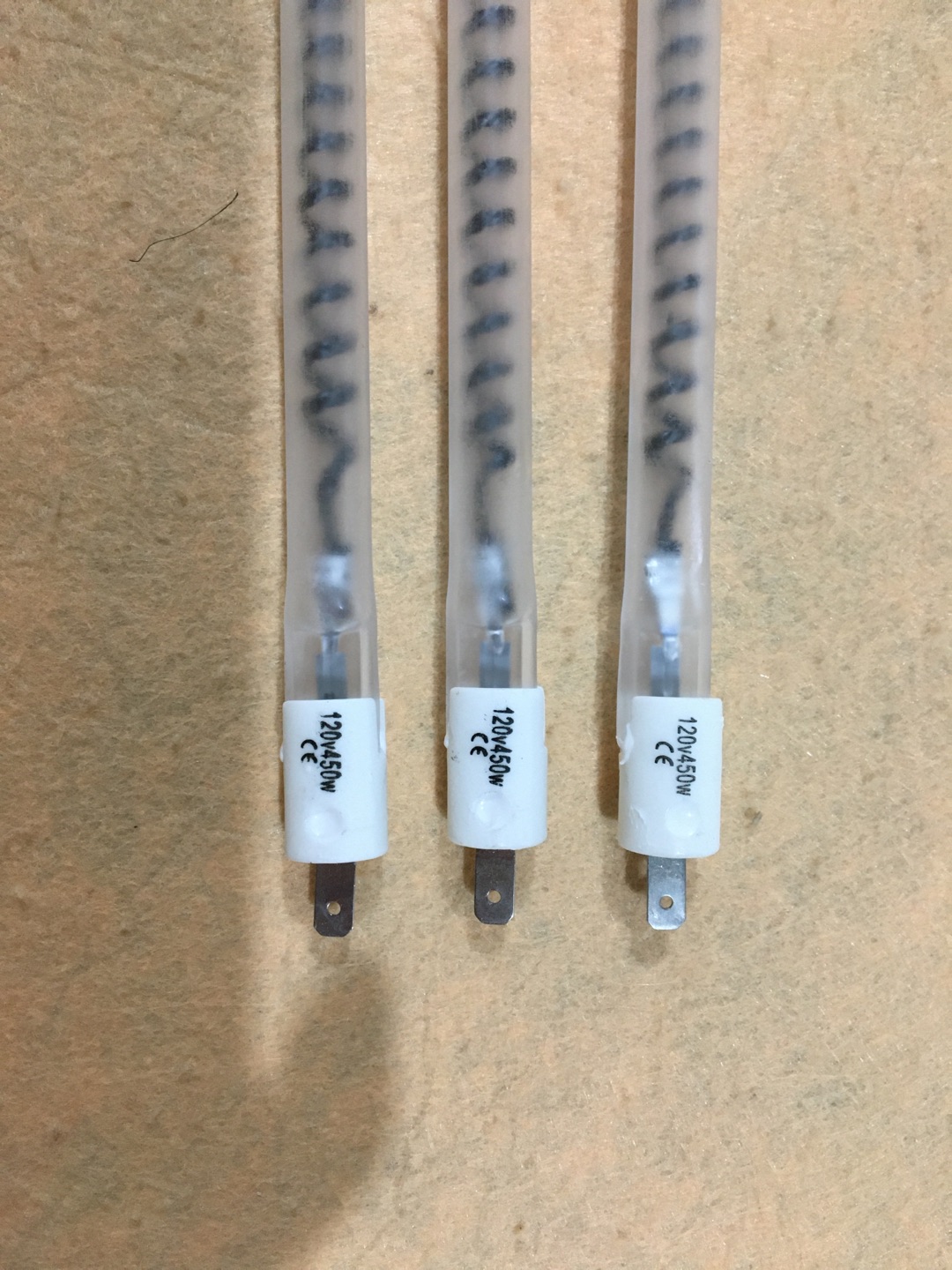
We built these clear quartz carbon tubes for the kind of jobs where you can’t afford to wait around for things to warm up. If you need heat—and you need it now—this is the setup. We went with 230V at 1800W because it hits that sweet spot: plenty of power, but it still fits right into most standard industrial setups without a headache. The power side of things Pushing 1800W through a small area creates a lot of heat, fast. To handle that, we use a carbon filament. Here’s why that matters: old-school metal coils tend to have hot spots. Carbon is different. It spreads the heat evenly across the whole tube. It’s fast. Really fast. And that changes your whole workflow because your machine spends less time idling and more time actually getting the job done. Why clear quartz? The clear quartz shell does two big jobs. First, it keeps the carbon filament from burning up. Second, it lets those short-wave infrared rays fly right through without getting trapped. If you’re trying to get heat deep into a material, clear quartz is your best bet. Plus, we use high-purity silica so the tube doesn’t warp or twist when things get scorching. And since it’s clear, you can just glance at the filament to see if it’s burnt out. No need to kill the power just to check. A few things to keep in mind When you’re wiring these into your rig, remember that 1800W in a compact tube is intense. It’s a lot of localized heat. Make sure your housing and cooling fans are up to the task. If the airflow gets blocked, the ends of the tube will take a beating, and your seals will fail way sooner than they should. A lot of people use these to replace old halogen systems. They work great, but the heat “feel” is different. You might want to tweak your timers a bit at first so you don’t accidentally scorch your work.