Why Carbon Fiber IR Lamps actually work for Inkjet Lines
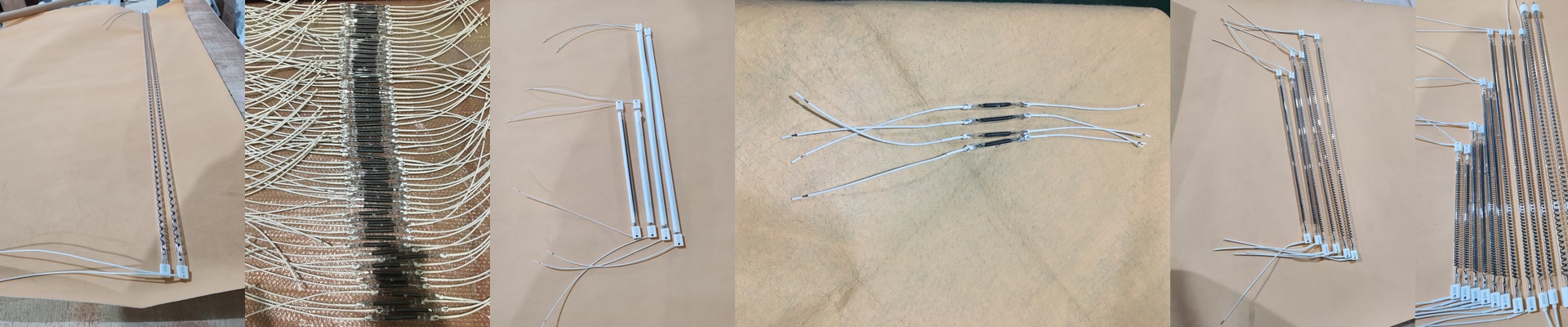
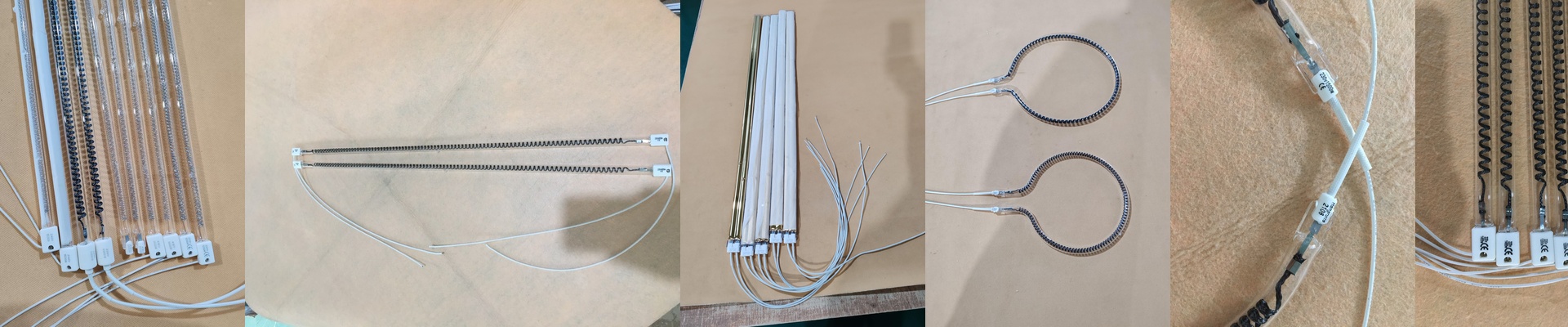
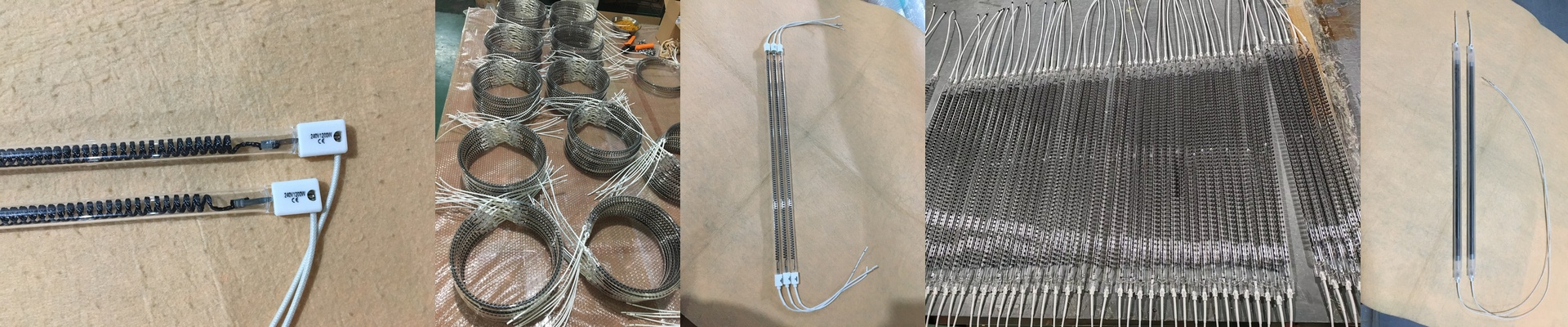
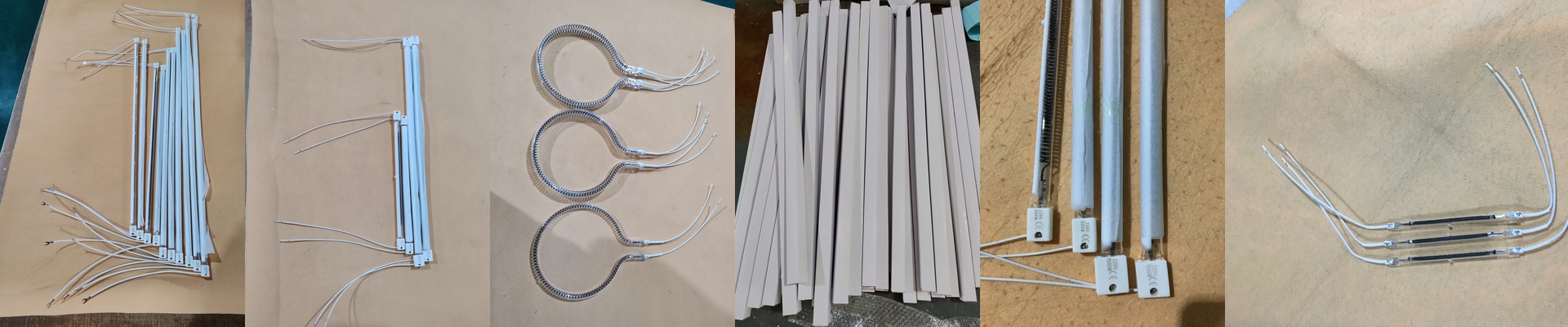
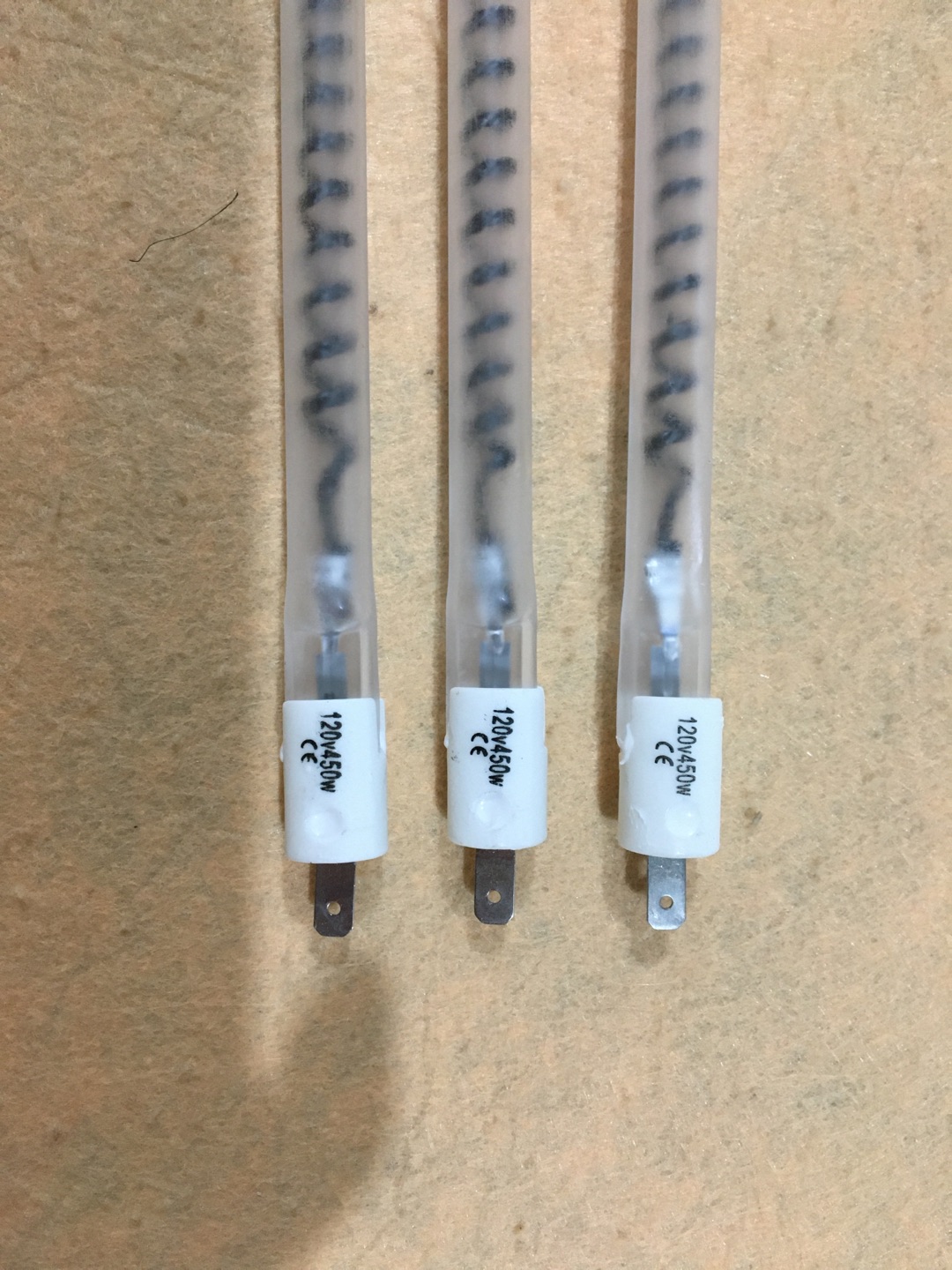
If you’re printing on industrial materials, you know the struggle. You need that ink to dry or cure now. If it doesn’t happen fast enough, you get smudges, poor adhesion, and a whole lot of wasted material. That’s why we lean on carbon fiber heating lamps. They hit the ink with a broad infrared spectrum that actually sinks deep into the layer. It’s a lot more effective than those old-school quartz heaters that just scratch the surface. Talking Power and Speed Here is how it works: current runs through a carbon filament, creating a massive burst of heat along the entire tube. When you’re picking your lamps, just look at the wattage-to-length ratio. That’s what tells you how fast you can run your conveyor belt. Want to speed things up? Go for higher wattage. Just a heads-up, though—make sure your power supply can handle that initial kick when you flip the switch. Built to Last (And Not Burn Everything) Halogen lamps usually have one concentrated spot of heat. Carbon fiber is different. It spreads the warmth out evenly. This is a lifesaver because you don’t have to worry about “hot spots” scorching your substrate or melting right through a thin film. Plus, the quartz shell keeps the fiber safe from oxidation. If your shop has a lot of vibration, these are the way to go. The carbon filament isn’t nearly as brittle as tungsten, so it can take a beating. The Practical Stuff You can hook these up to a PID controller to keep the surface temperature steady. It’s the best way to stop the ink from bubbling. But there’s a catch. These things put out a lot of heat. You’ve got to make sure your housing has plenty of airflow. If the lamp chamber gets too stifling, your end caps will probably give out early. For most of us, these are just a great way to replace those clunky old resistive heaters. They take up less space and heat up almost instantly. One last tip: keep your reflectors clean. If dust builds up on the mirror, your efficiency just tanks.