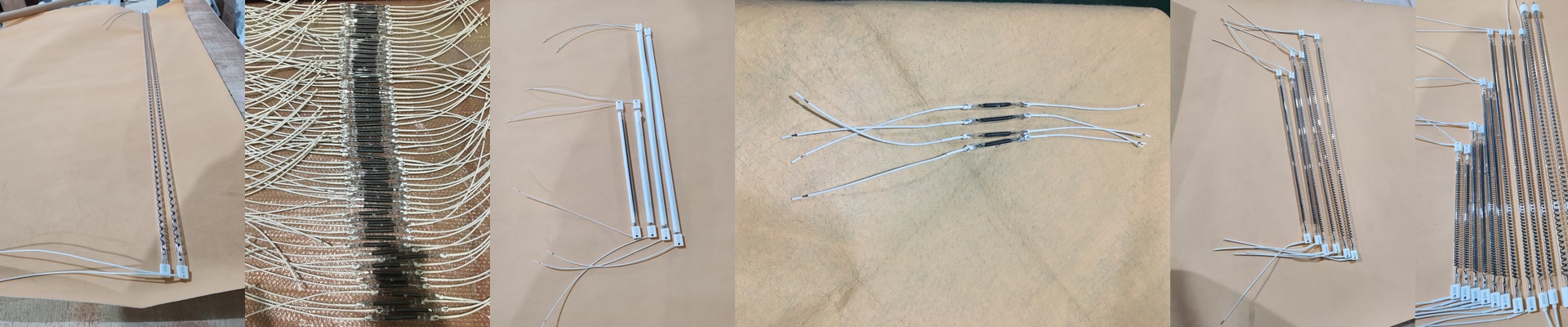
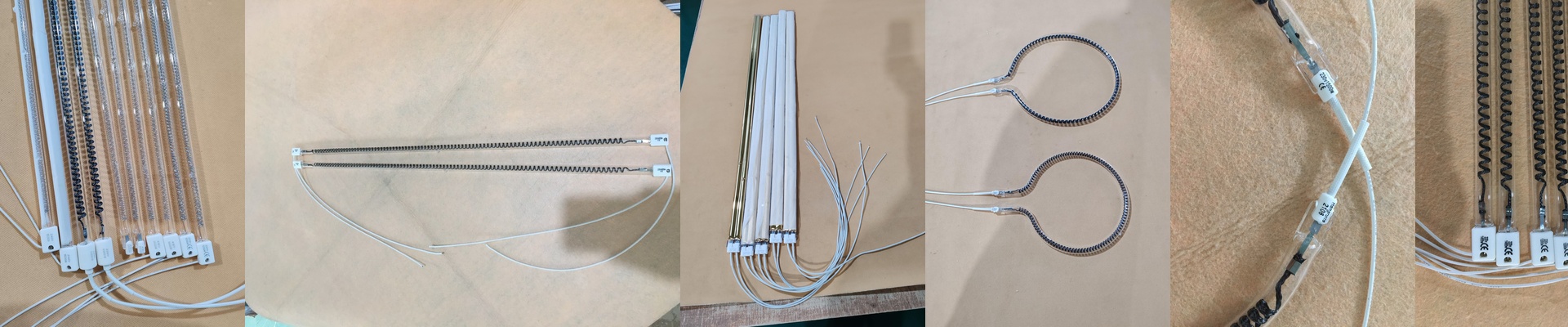
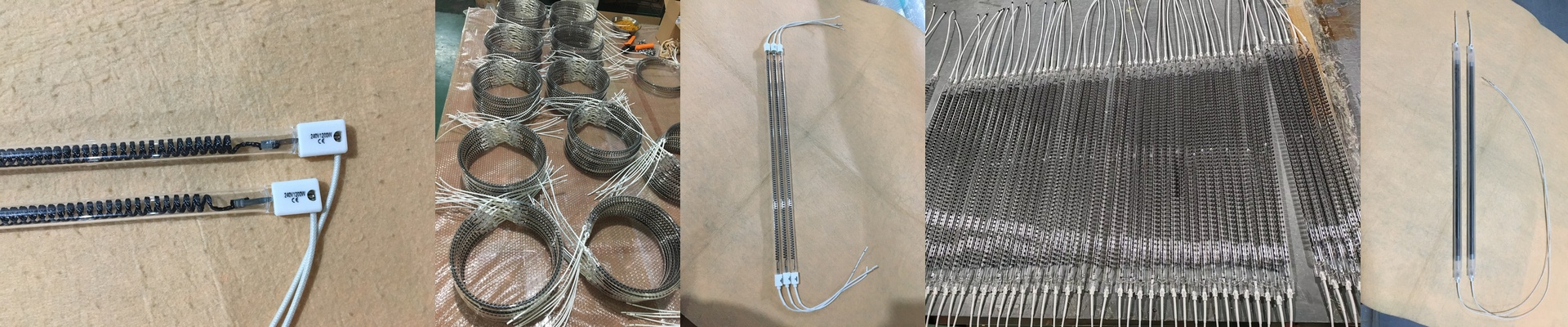
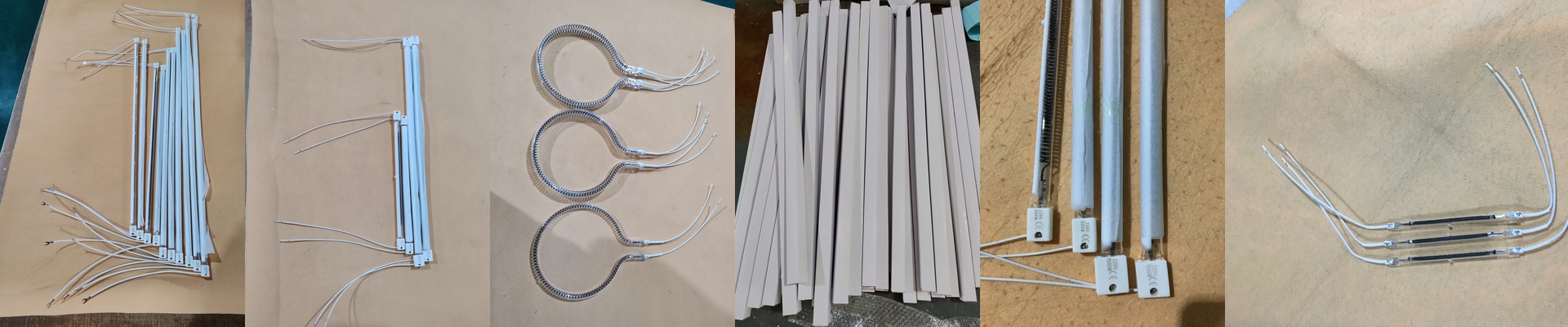
The Real Deal on Carbon Fiber Quartz Emitters
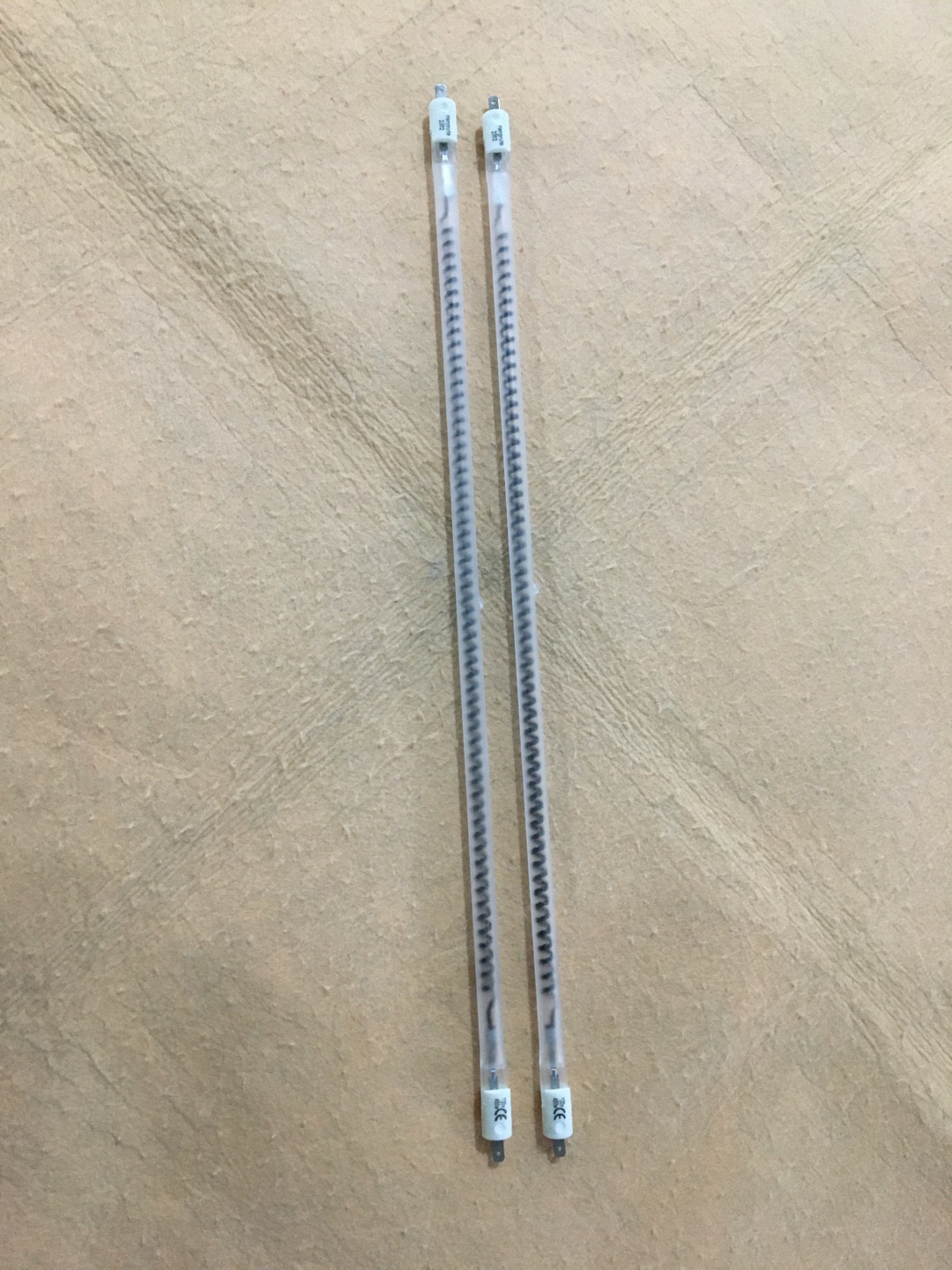
Most people are used to those old-school tungsten filaments. But we’ve moved away from that. Instead, we’re using carbon fiber elements tucked inside high-purity quartz. Why? Because when you need heat—and you need it now—this is how you get it.
Let’s talk heat and power
Here is the thing about carbon fiber: it gives us a much larger heating area than a tiny, thin wire. Instead of all that heat bunching up in one spot (which is usually why lamps burn out), the load spreads out across the tube. It’s a lot more stable. When you’re picking your voltage and wattage, just remember that higher wattage means instant surface heat. It’s powerful. Just make sure your power supply can handle that first big surge of current when you flip the switch, or you’ll have a problem.
What’s under the hood?
The quartz glass isn’t just there for looks. It keeps the carbon from oxidizing and lets that short-wave infrared radiation fly right through without getting stuck. Plus, quartz is tough. It can handle a massive temperature shock without cracking. If you’re using R7s or SK15 connectors, you’re golden. They snap in tight, which means you don’t have to worry about electrical arcs jumping around your terminals. One weird quirk? Carbon fiber actually runs at a lower temperature than tungsten to get the same amount of heat across to your workpiece. The tube stays a bit cooler to the touch, but the energy hitting your part is still intense.
Getting it onto your shop floor
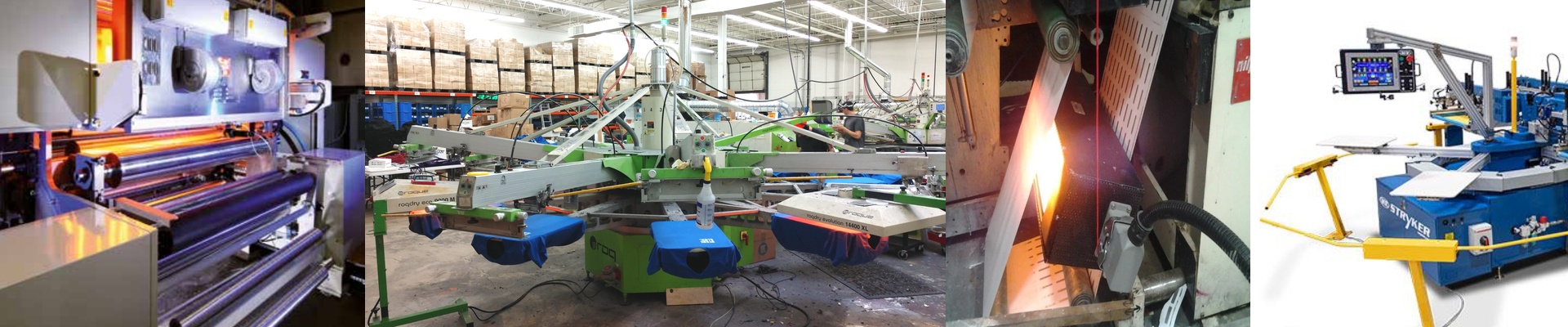
For the most part, these are drop-in replacements. If you’ve got an industrial curing or drying line—think PET blowing or paint curing—these will get you to your target temperature in a matter of seconds. But a word of caution. Carbon fiber is a bit more sensitive to shaking than solid filaments. If your machines vibrate like crazy, you’ll want to isolate the mounts. If you don’t, the filament will likely snap way sooner than it should. And please, use high-temp leads. Nobody wants to see their insulation melt right at the end of the quartz tube.