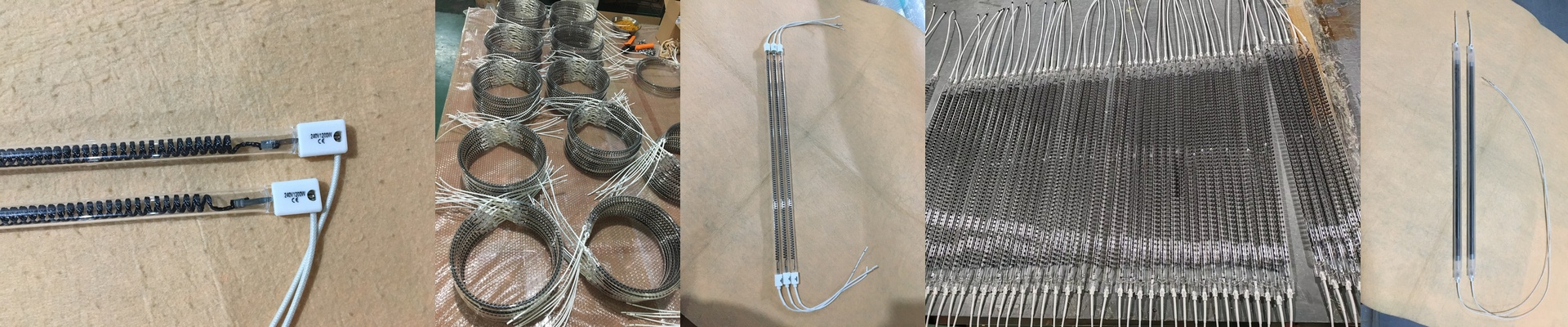
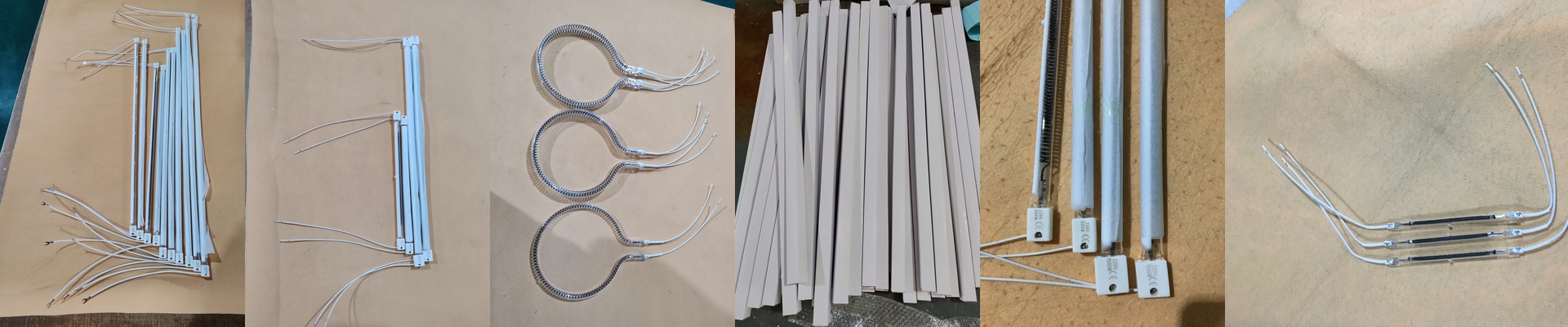
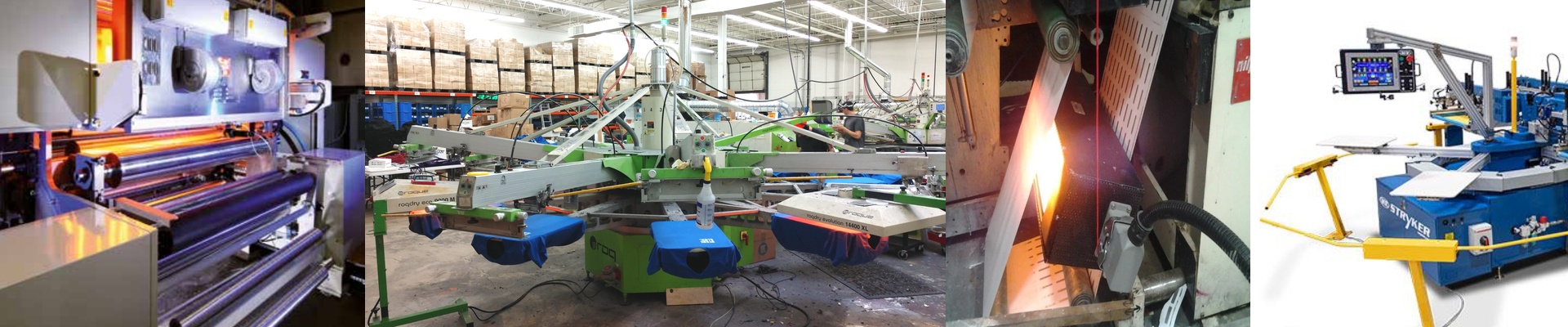
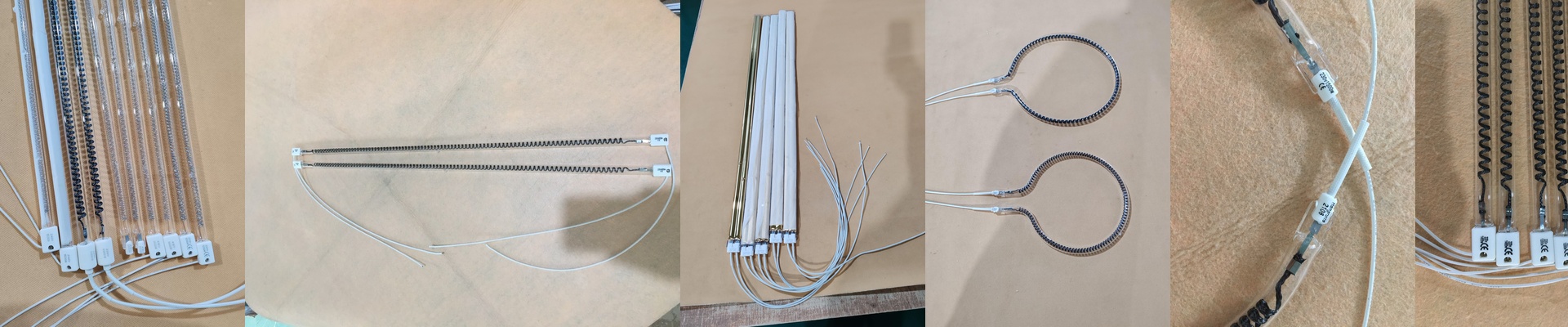
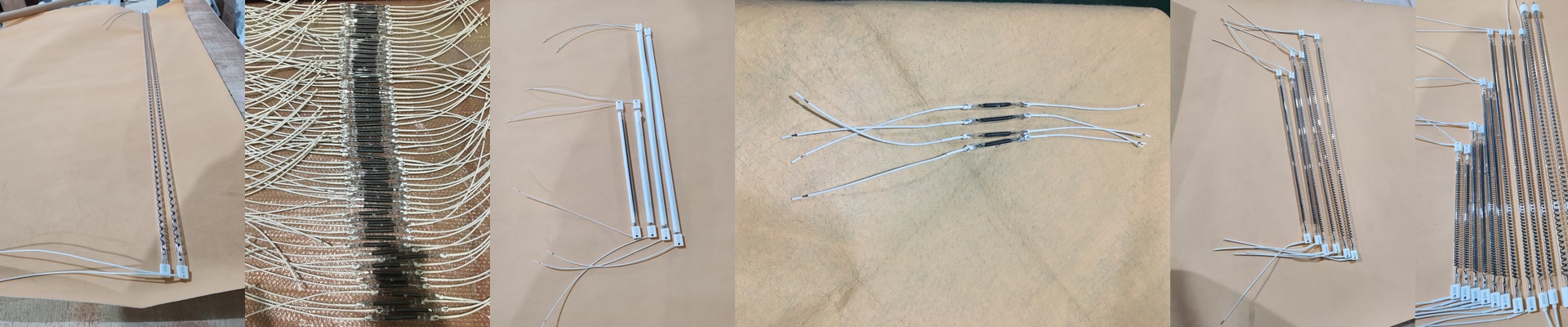
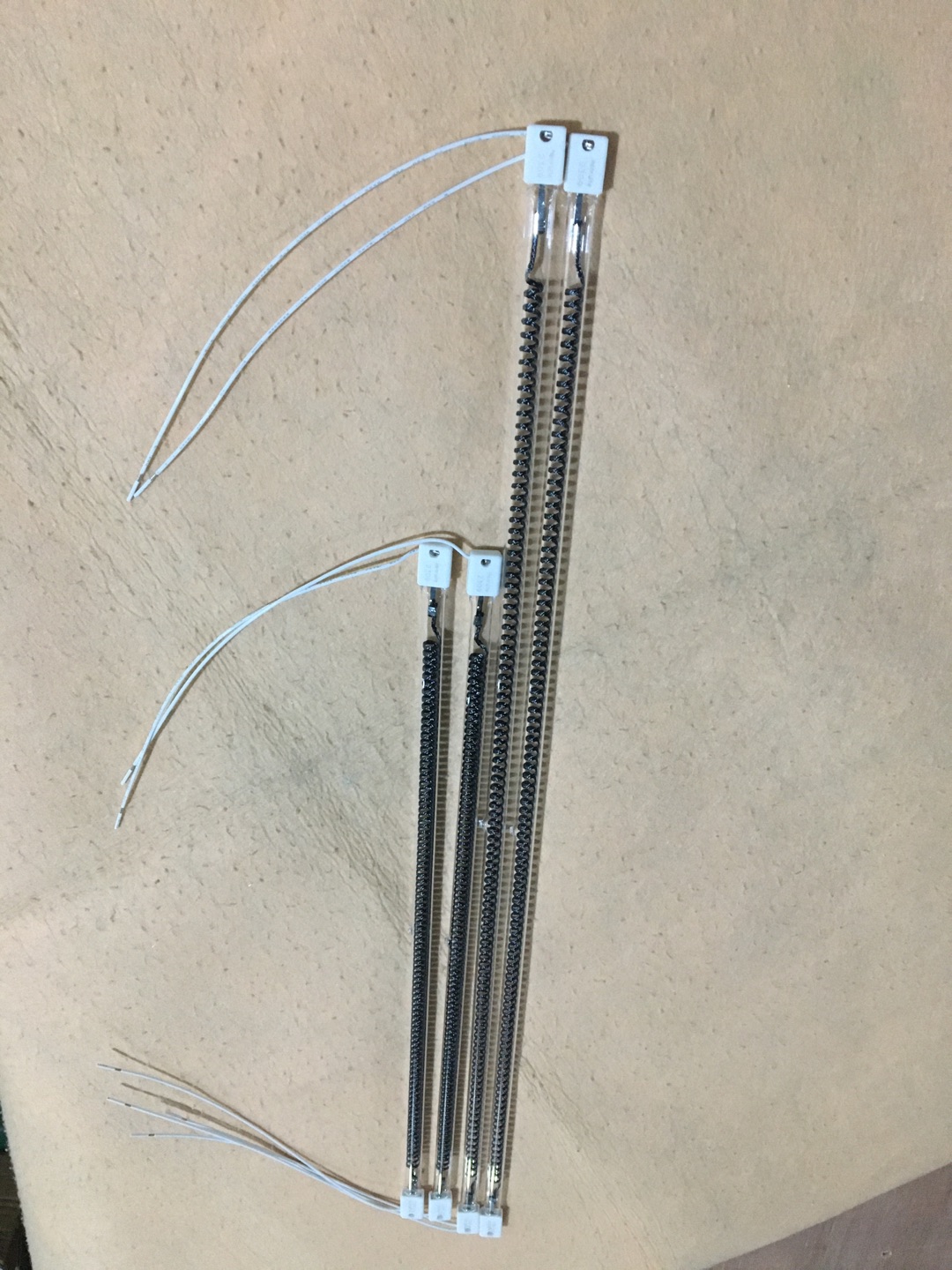
Getting the Most Out of Twin Tube Carbon Fiber IR Lamps
Think of twin tube carbon fiber lamps as the heavy lifters of the infrared world. Instead of relying on one single filament to do all the work, these use two. It’s a simple tweak, but it doubles the surface area. The real win here? You get way more heat without pushing a single filament to its breaking point. It’s just a smarter way to get the job done. The Electrical Side of Things When you’re setting these up, you’re basically dealing with a lot of power in a small space. Depending on your power supply, those filaments will run in parallel or series. But here is the part where people usually trip up: high wattage puts a massive strain on your wiring. If your cables or contactors aren’t rated for that peak current, you’re going to see your terminals burn out. It’s not a pretty sight, and it’s a headache you don’t want. Check your gauges. Why Carbon Fiber? We wrap carbon fiber filaments in quartz for a reason. Carbon fiber just handles the heat better than old-school metal coils. Plus, it hits operating temperature in seconds. No more standing around waiting for the machine to warm up. The quartz keeps the filament from oxidizing, but it has one weakness: it hates dirt. If you’re working in a dusty shop, keep that glass spotless. Dust creates hot spots, and hot spots lead to cracks. Installation and a Few Warnings Swapping these in is usually a breeze. Most use standard industrial connectors, so they slide right into where your old halogen arrays used to be. But a word of caution: the glass is fragile. The carbon fiber inside is tough, but the quartz envelope can snap. If your machine shakes or vibrates a lot,**use dampened mounts.**If you don’t, the tubes will eventually snap right at the seal. One last thing—these things get incredibly hot. Really hot. Make sure your chassis cooling is up to the task, otherwise, you might find some of your nearby plastic parts starting to melt.