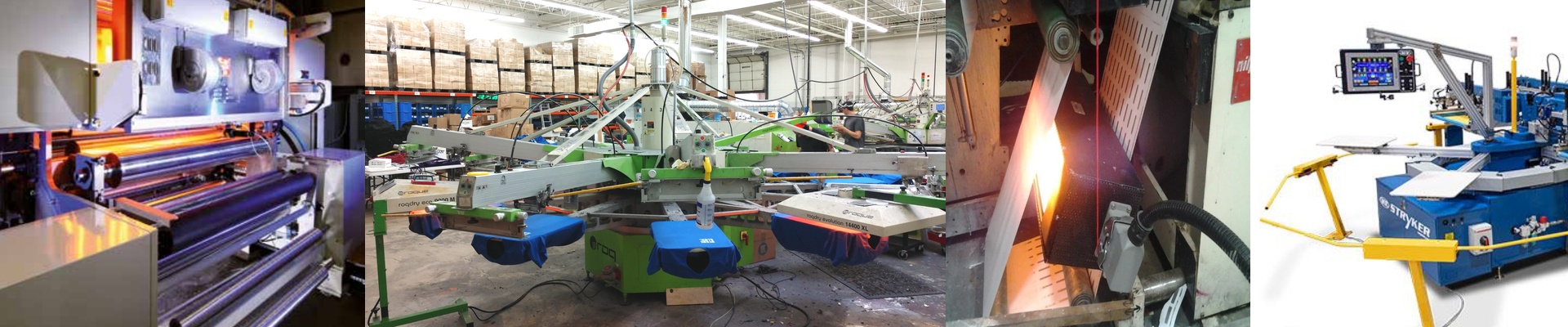
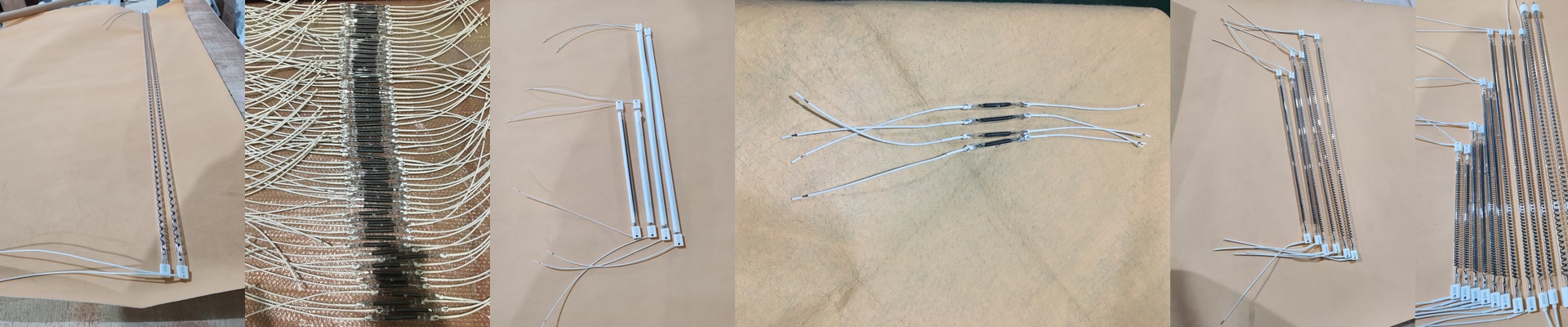
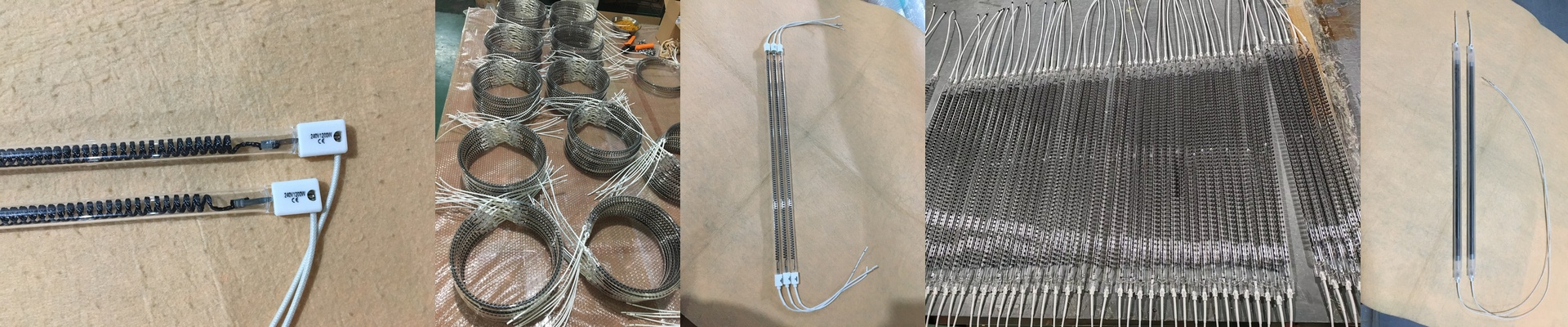
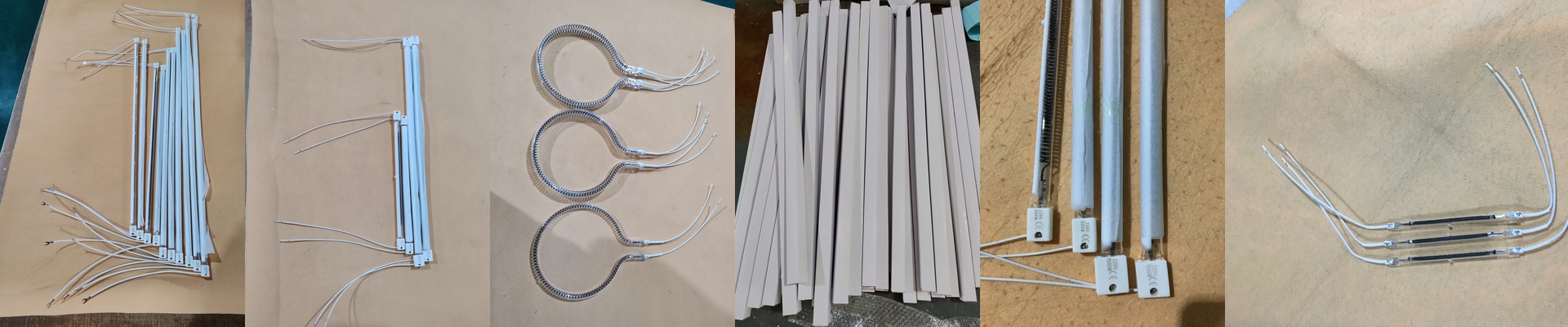
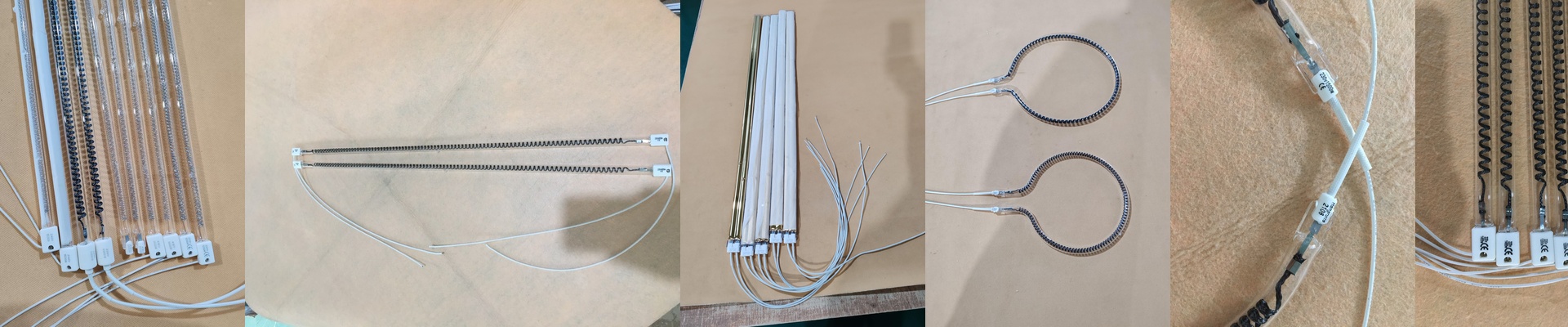
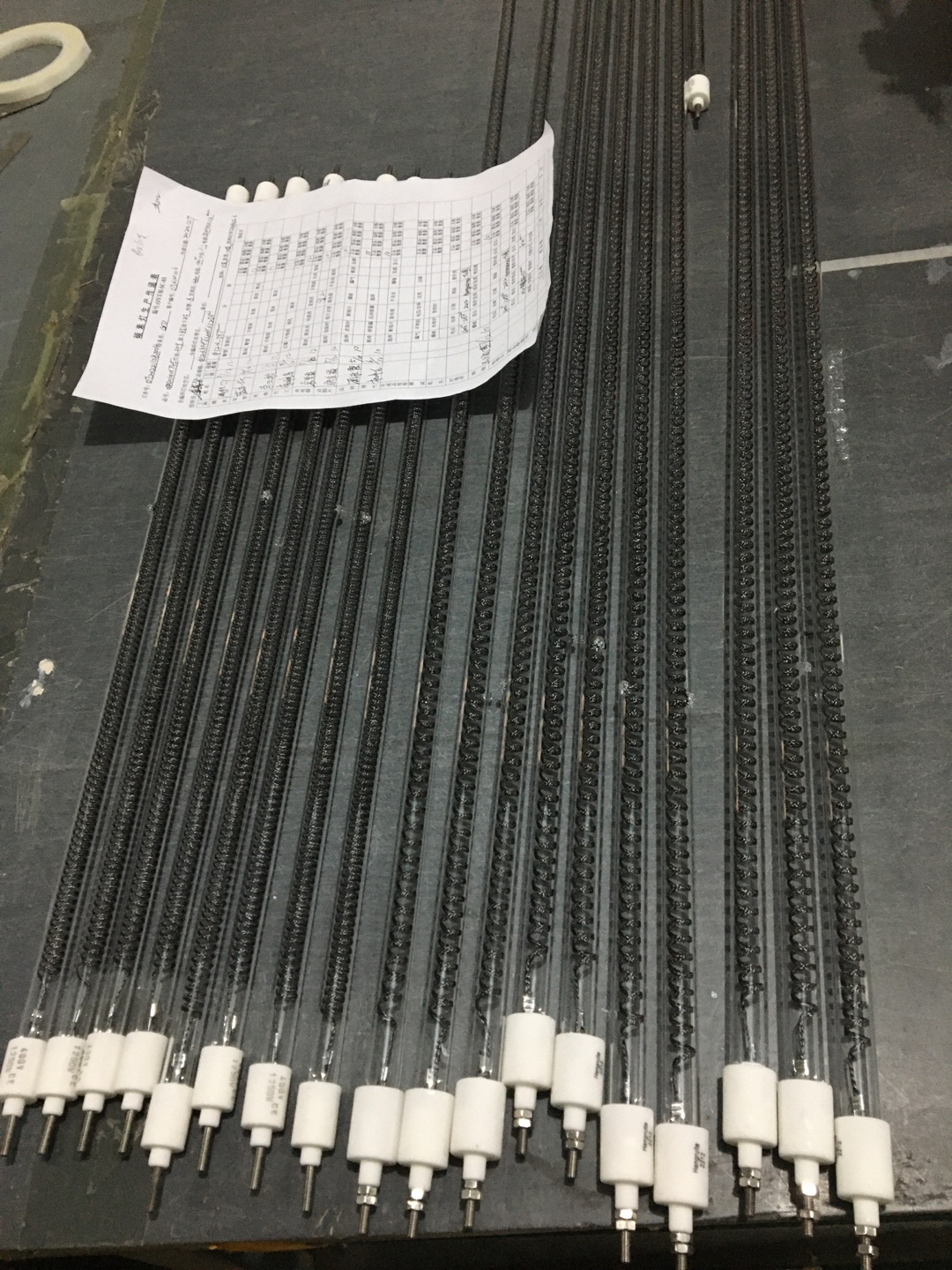
Let’s Talk About the SK15 Carbon Fiber Heating Element
If you’ve ever dealt with traditional metal filaments, you know the frustration when they just can’t keep up with high-intensity heat. That’s why we went with a carbon fiber core for the SK15. Here’s the real advantage: it has a much higher emissivity rate than your standard quartz lamps. In plain English? More of the heat actually hits your target, and you aren’t wasting energy just lighting up the room.
The SK15 Plug and the Power Behind It
We designed the SK15 head to be a simple plug-and-play setup. When an element finally burns out, you just swap it. No need to tear apart your control panel or spend half a day rewiring everything. Because carbon fiber doesn’t fight the current as much as nichrome does, you can cram more wattage into a smaller space. It gives you a tight, concentrated heat zone right where you actually need it. We’ve also built these to handle those annoying voltage drops and spikes that happen in industrial cycles.
Why Carbon Fiber Beats the Rest
Most halogen lamps rely on a gas fill, which is a headache because gas can leak. Our carbon fiber filaments use resistive heating instead. No gas, no leaks, and they hold up way better when you’re cycling them on and off rapidly. We wrap the fiber in a quartz envelope to keep it from oxidizing, making these perfect for jobs where you need to ramp up the heat now. You’ll notice the heat feels different, too. It’s a shift in the infrared spectrum that lets the heat soak deeper into coatings or polymers rather than just scorching the surface.
A Few Things to Watch Out For
Now, a word of caution. These things getintense. If you drop these into a chassis with bad ventilation, you’re going to melt your wiring looms. Simple as that. Make sure your cooling fans and heat sinks can actually handle the wattage the SK15 is putting out. These work great as drop-in replacements for PET blowing and curing lines, but please—double-check your voltage before you flip the switch. If your power supply isn’t matched to the element’s resistance, you’ll either get a lukewarm part or you’ll blow the filament in the first ten cycles.