The Story Behind Our Twin Carbon Fiber Infrared Lamps
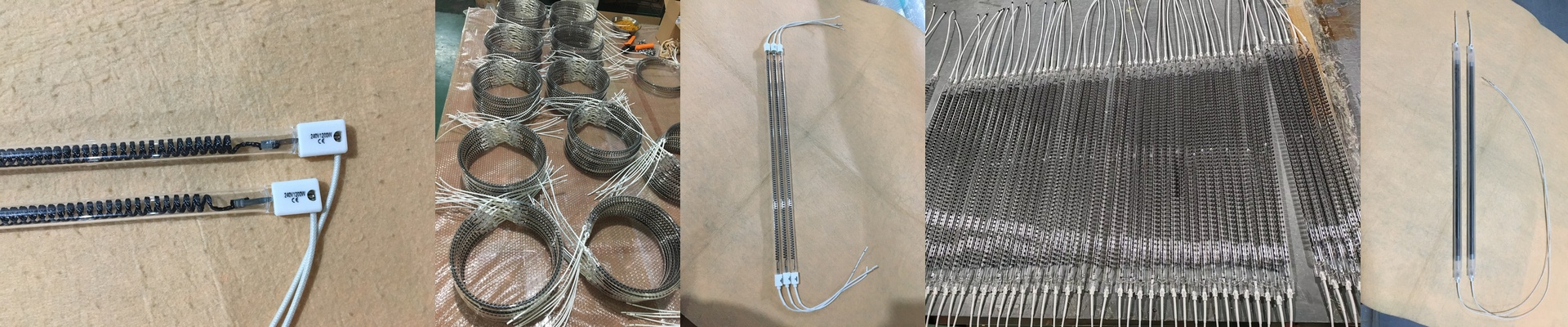
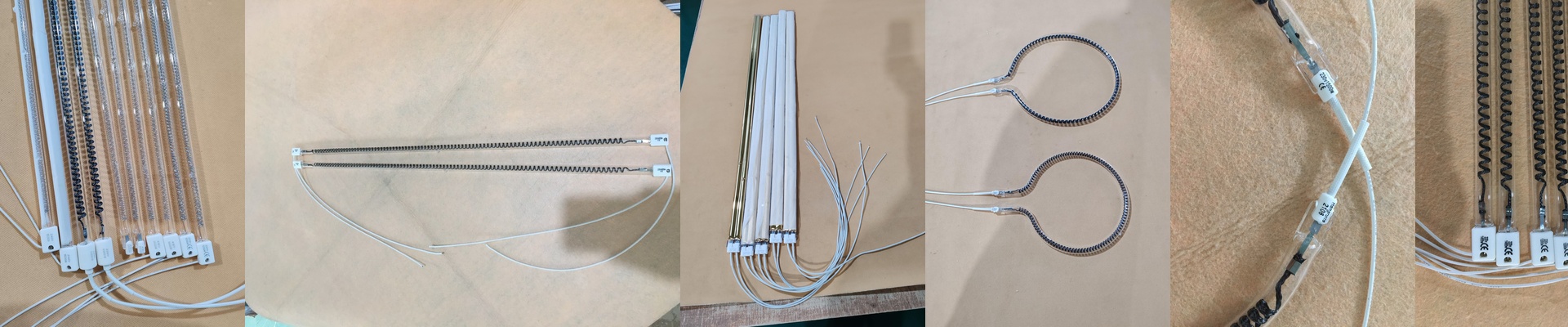
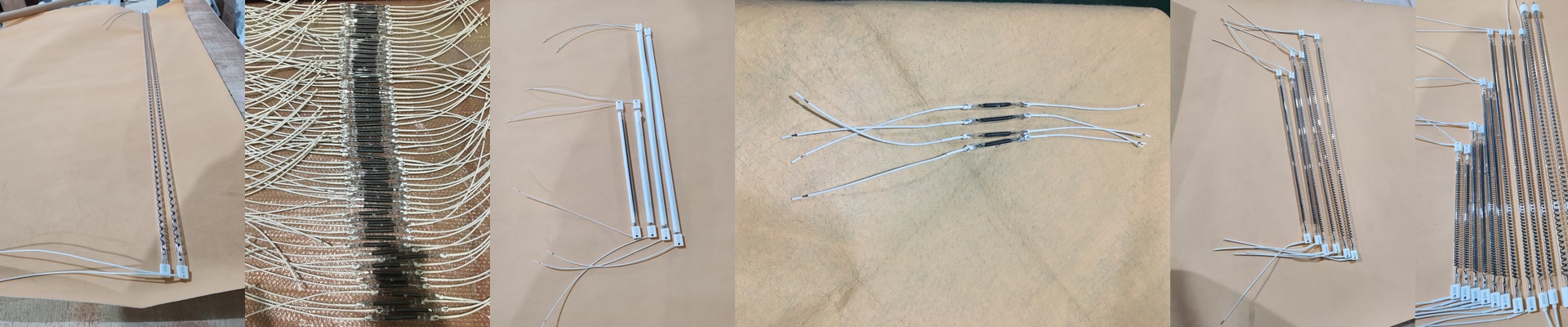
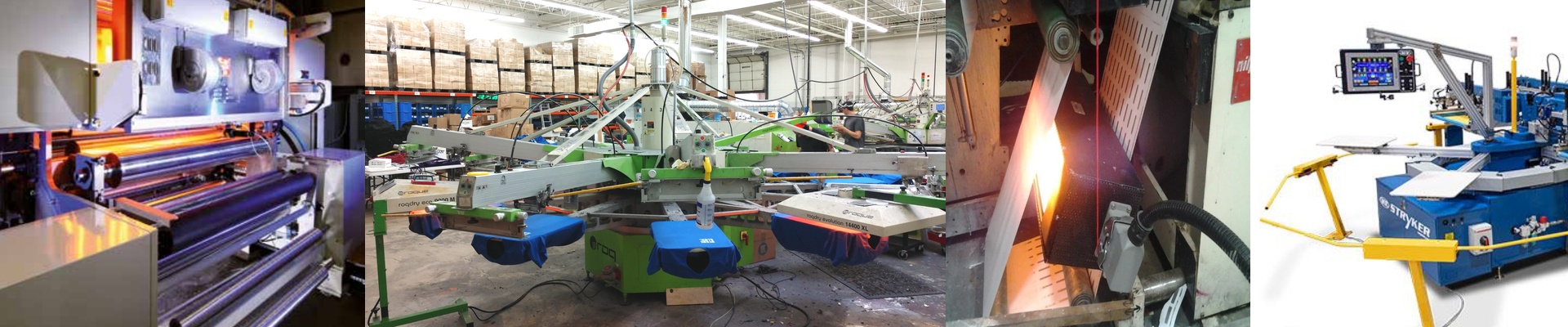
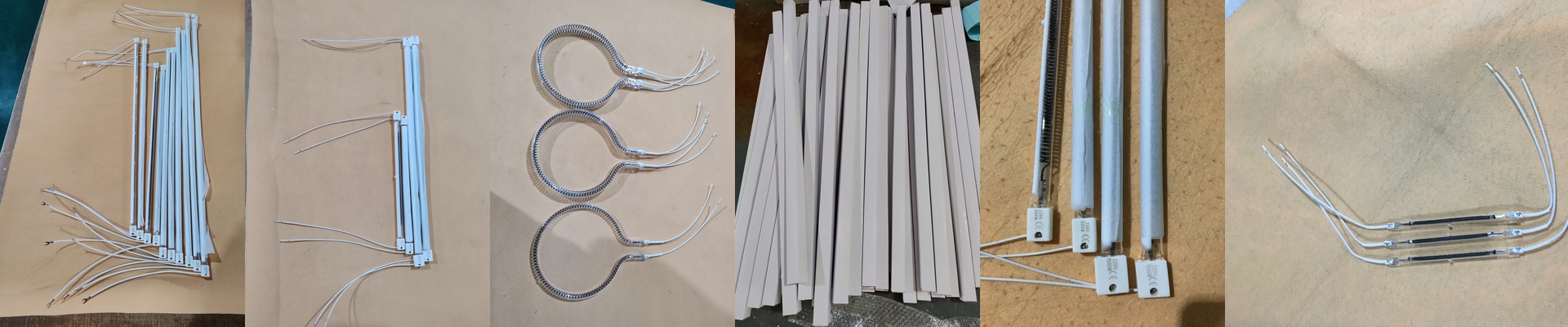
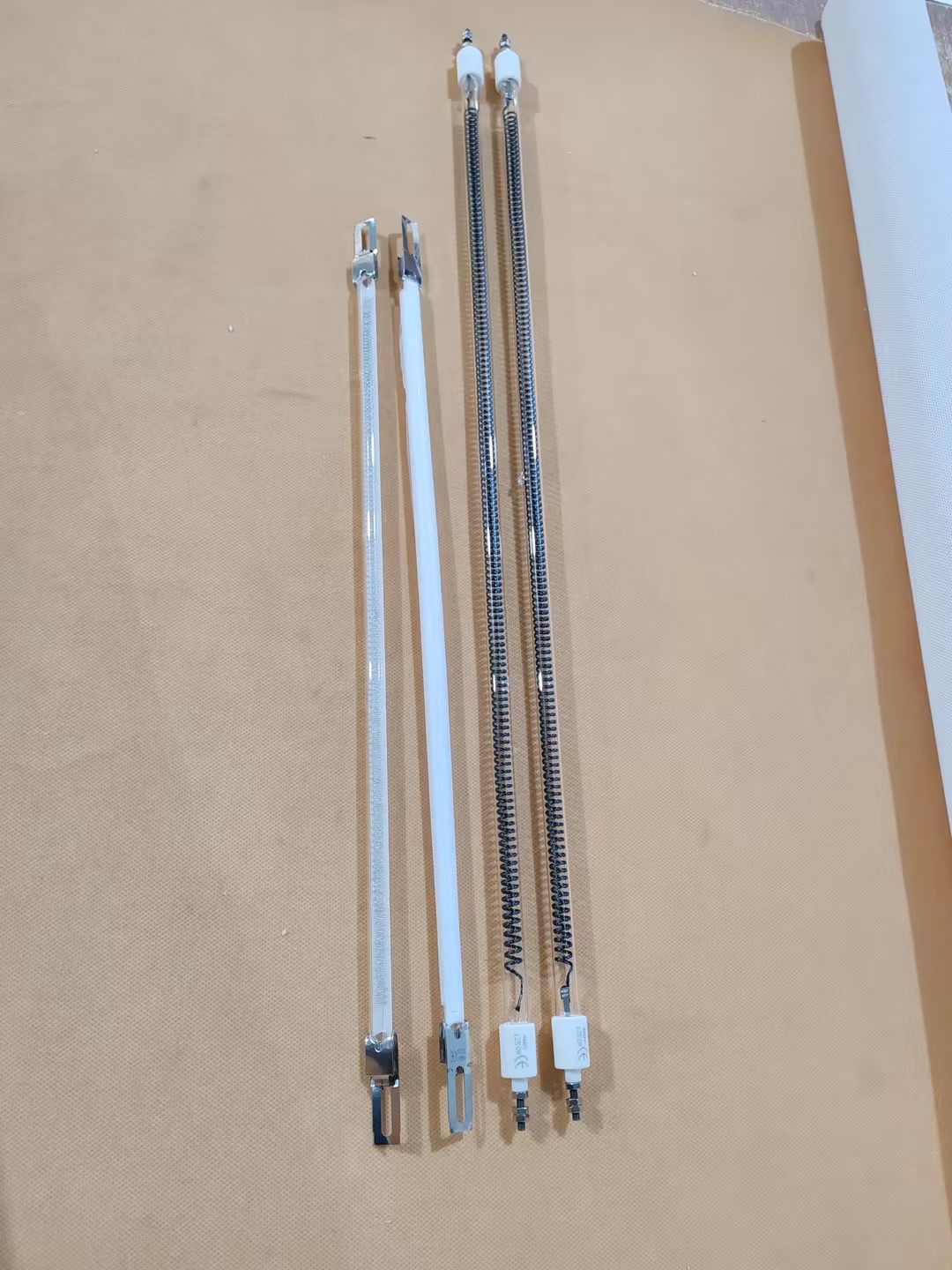
Let’s be honest: standard quartz heaters have a habit of burning out right when you need them most, especially when you’re pushing them hard. That’s why we built the twin carbon fiber lamp. The idea was simple. We wanted more heat, but we didn’t want to make the lamp any bigger. So, we put two carbon fiber filaments inside one quartz tube. Now, you get double the heat output without having to redesign your entire machine. Getting up to speed If you’re doing high-speed curing or PET blowing, you know that every second counts. You can’t afford to sit around waiting for your equipment to warm up. Carbon fiber is a beast when it comes to speed. It hits operating temperature way faster than those old metal coils. There’s almost no lag. You flip the switch, and you’ve got a concentrated burst of short-wave heat that actually sinks deep into your material rather than just scorching the surface. The nuts and bolts We use high-purity quartz glass for the housing. Why? Because we want the heat going into your workpiece, not getting trapped in the glass. As for the fit, we use R7s or Sk15 connectors. They’re designed to be drop-in replacements for most industrial setups. They fit tight and stay tight, so you don’t have to worry about electrical arcing when the current gets heavy. A few things to keep in mind You’ll see these lamps in everything from drying tunnels to plastic forming lines. The big win here is heat density. You can hit your target temps in a matter of seconds. But here’s the thing: this much power in a small space puts a lot of stress on your gear. Make sure your wiring and controllers can actually handle the peak current. And please, check your cooling fans. If they aren’t up to the task, the “heat soak” can eventually fry your sockets. My advice? Keep a close eye on your terminal temperatures during the first 100 hours. Just make sure your housing can take the beating before you let it run on autopilot.