The SK15 Carbon Fiber Heat Lamp: Built for the Heat
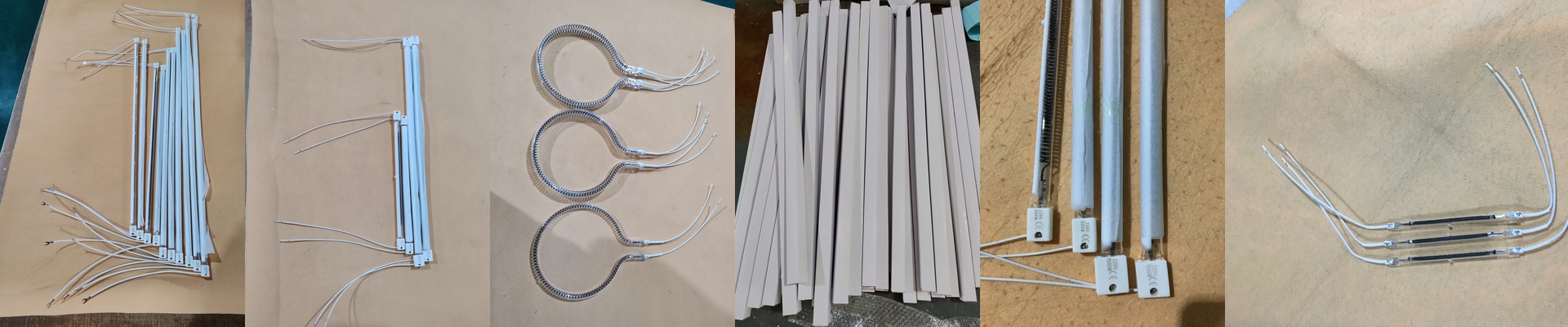
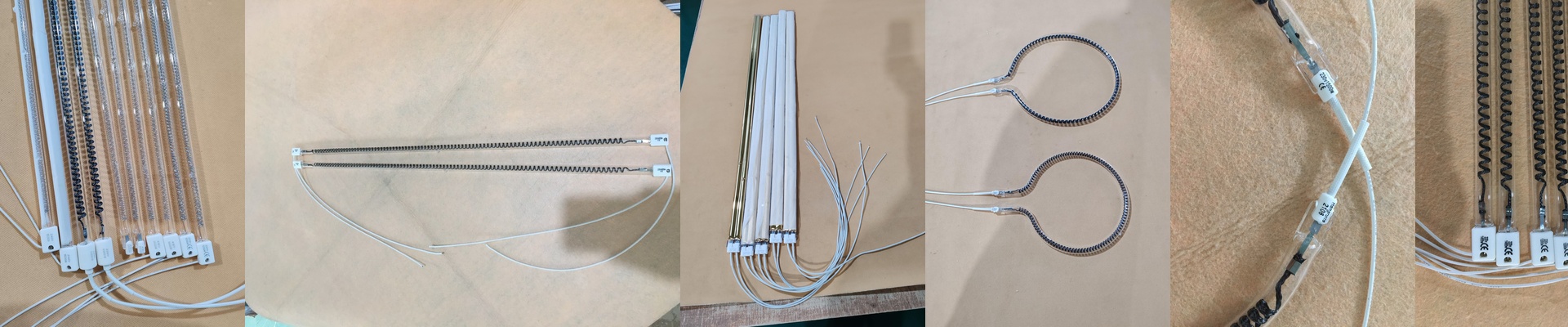
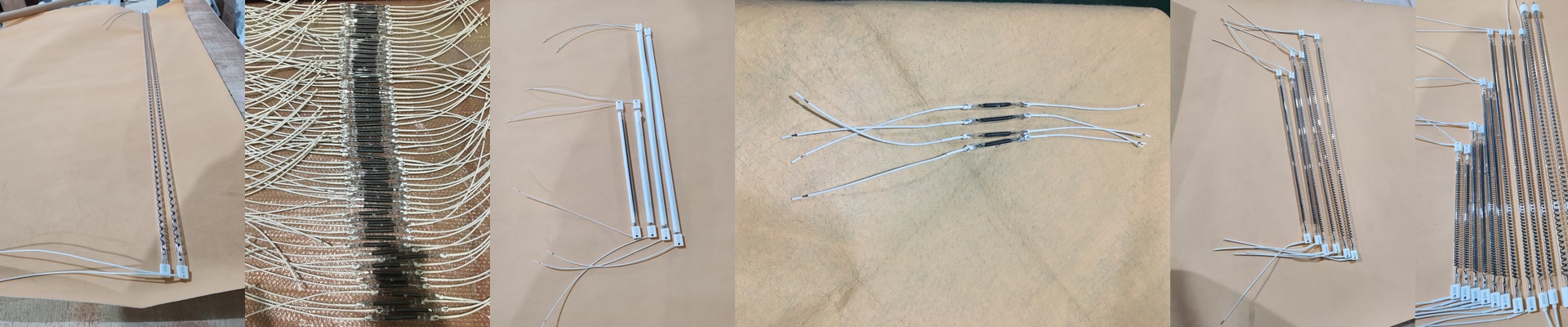
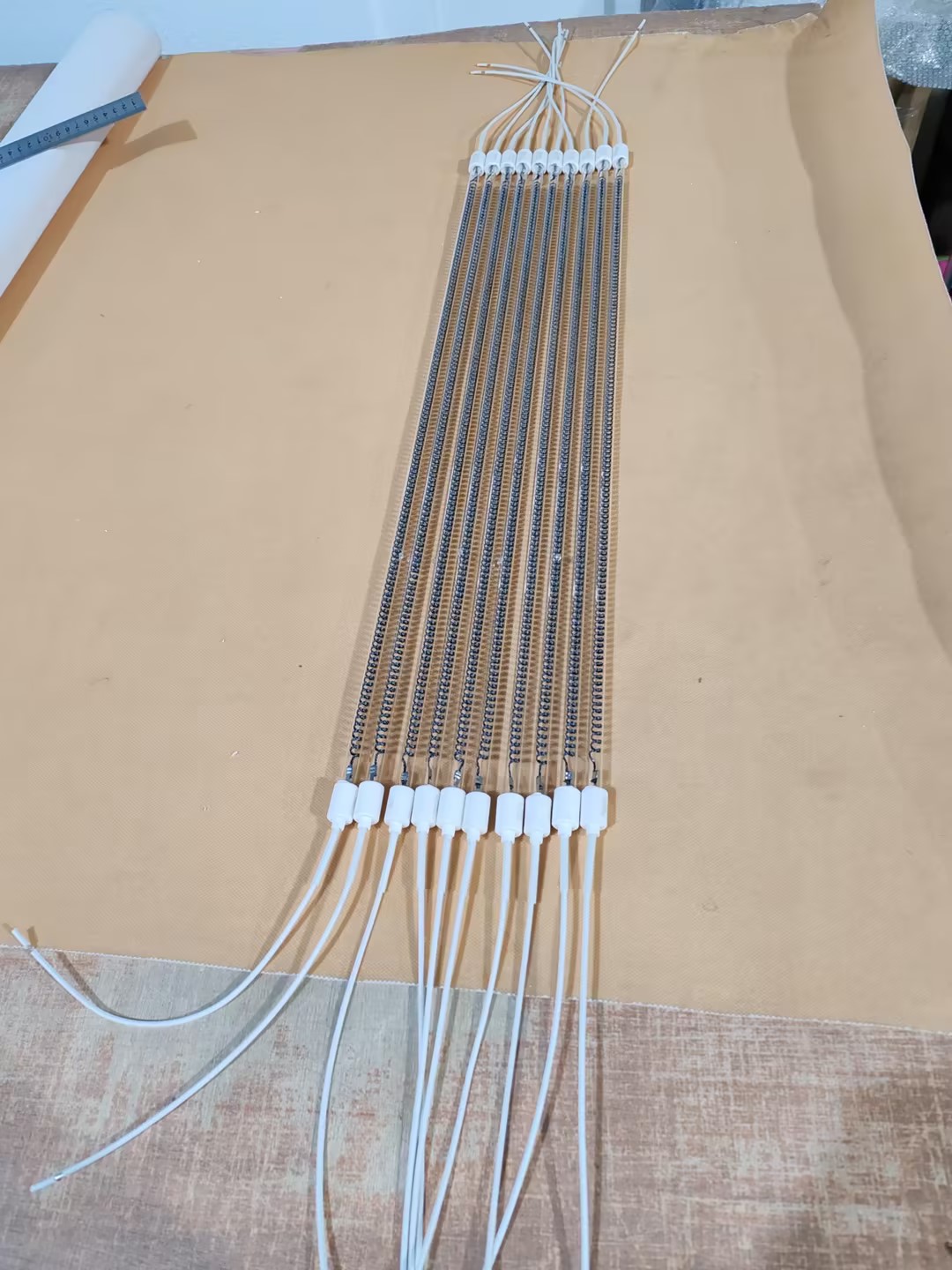
Let’s get straight to it. We built the SK15 Carbon Fiber Heat Lamp for places that demand serious, focused heat. This isn’t some delicate gadget for your living room. This is a 550mm powerhouse, rated for 1500W at 220V, designed to be the workhorse on a factory floor. It’s all about packing a ton of heat into a small space.
Power, Voltage, and Size: The Essentials
Here’s what makes it tick. The 1500W rating at 220V means this thing gets hot, fast. You flip the switch, and the element hits its operating temperature almost immediately. Then there’s the length. At 550mm, it’s a sweet spot. It’s long enough to spread the heat evenly across a wide area, but short enough to slip into tight spots inside your machinery. No need to tear your whole setup apart to make room. It’s built to fit right in.
Why Carbon Fiber and the SK15 Connector?
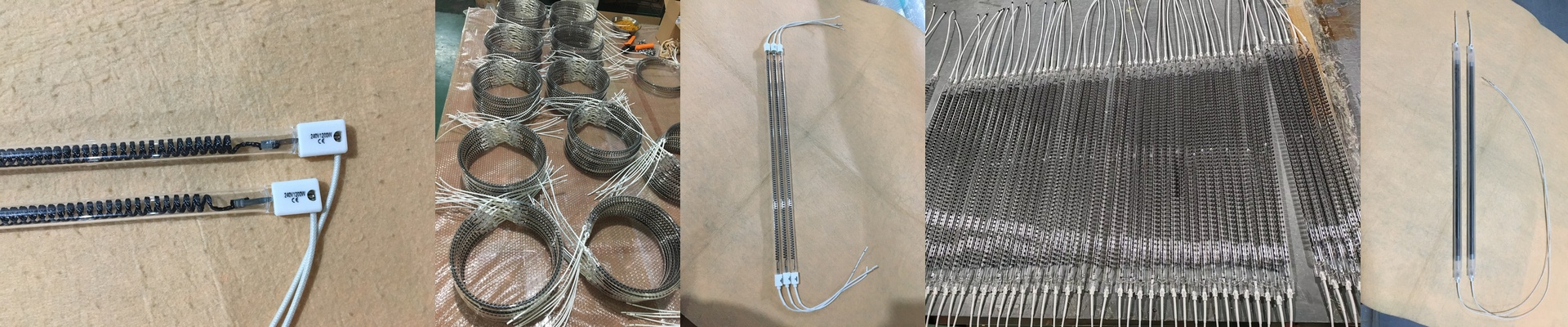
The secret is the carbon fiber heating element. It’s what makes this lamp different. It responds instantly to the power, and it stays incredibly strong even at extreme temperatures. It’s tougher and more reliable than the old wire-wound elements. The quartz envelope? That’s there to protect the element and to make sure all that short-wave infrared energy gets delivered efficiently. And the SK15 connector is a no-nonsense, heavy-duty connection. It’s built to handle the full 1500W load without getting loose or overheating. Wiring it up is simple, secure, and one less thing to worry about.
Where It Shines (And What to Keep in Mind)
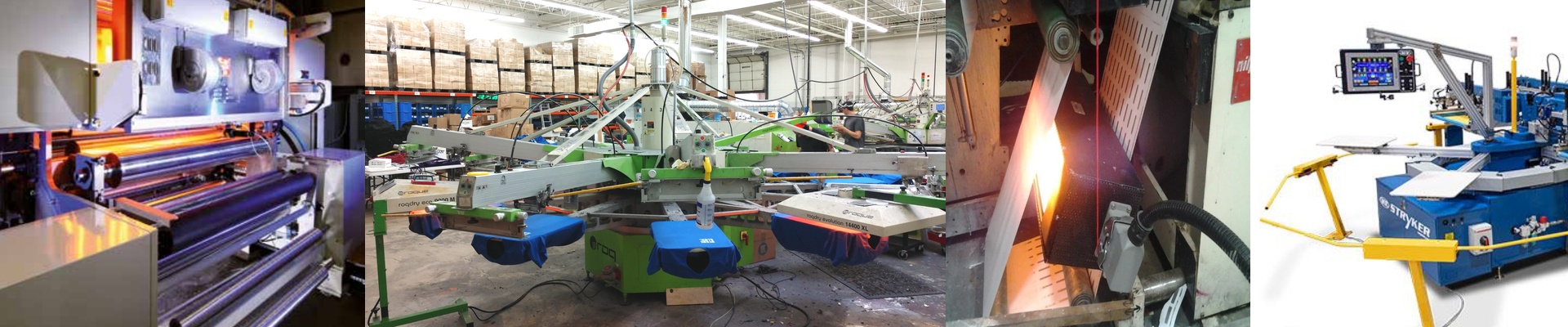
This lamp is at home anywhere you need to heat something up, fast. Think plastic processing, curing, or drying lines. That high heat density means you get the job done quicker. But, and this is important, that kind of focused power has a condition. The concentrated heat means the equipment around it needs proper cooling and airflow. If you don’t manage that ambient heat, you can start to affect other components nearby. So, when you choose this lamp, you’re choosing a high-output heating solution. It’s powerful, but it requires you to think about the whole system and how you manage the heat.