A No-Nonsense Guide to Carbon Fiber Infrared Emitters
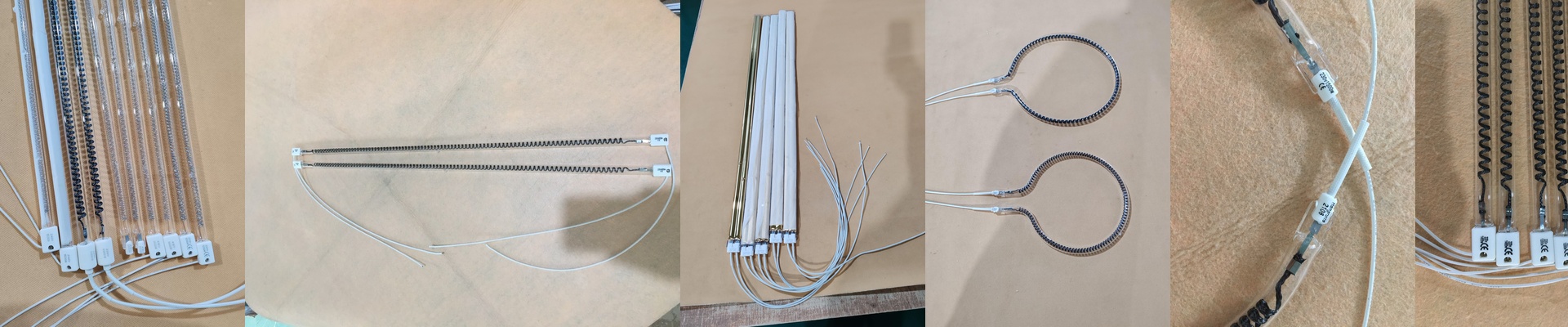
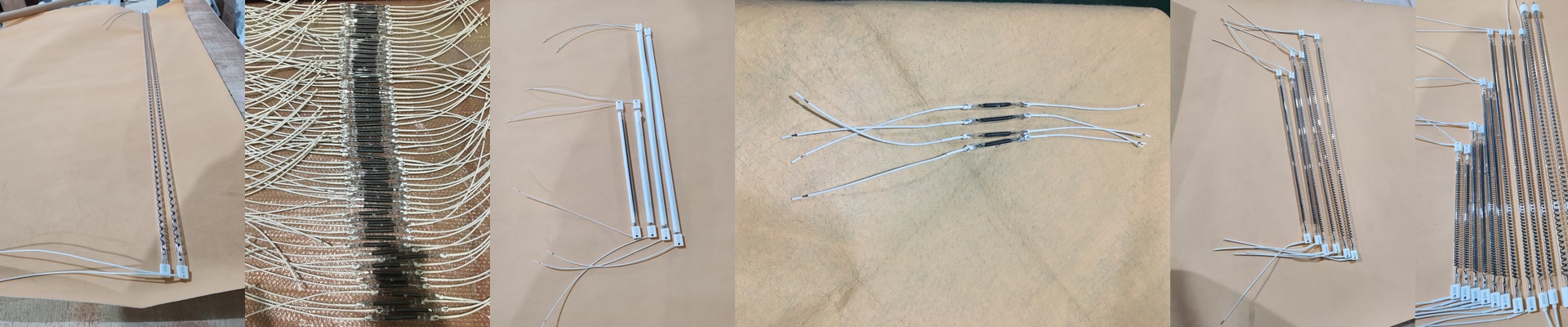
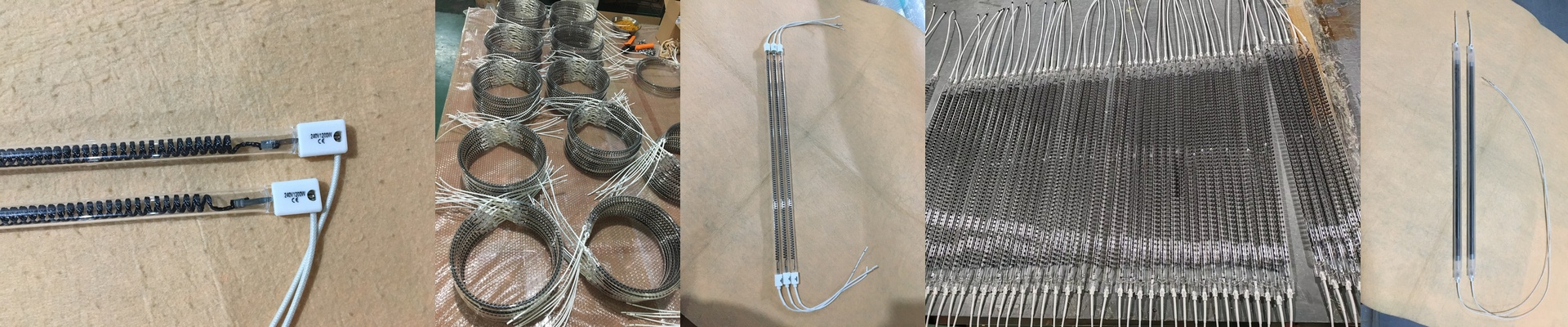
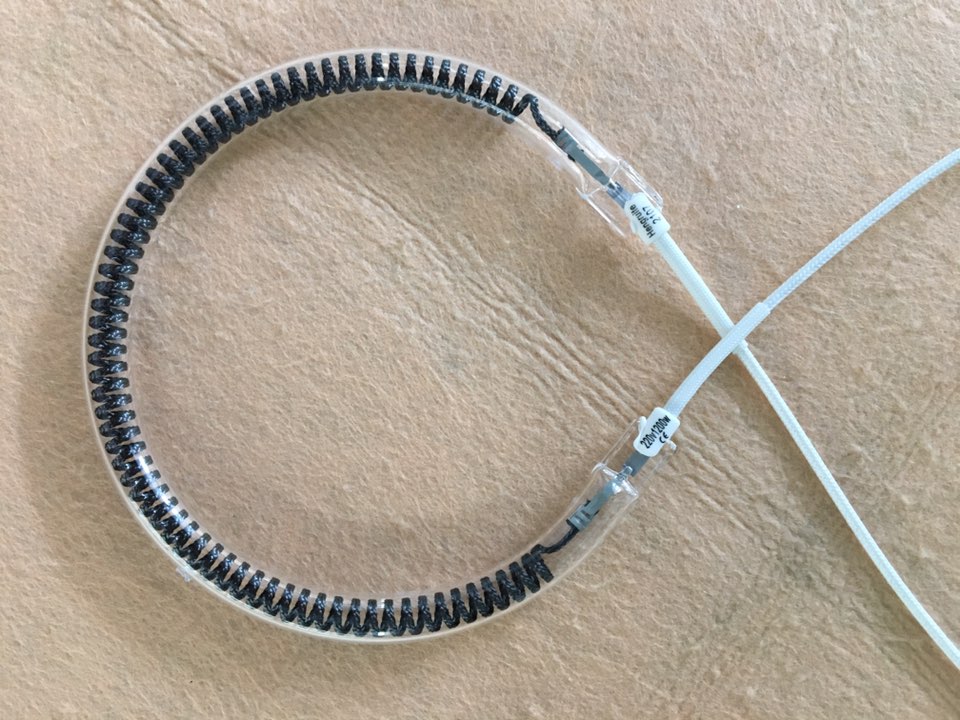
If you’re used to old-school tungsten or halogen heaters, carbon fiber lamps feel like a different beast entirely. Instead of a metal wire, we use a carbon fiber filament tucked inside a quartz tube. Why bother? Because they heat up fast. Like, really fast. If you’re tired of waiting forever for your equipment to reach temperature, this is where you want to be.
The Meat of the Matter: How They Work
The magic is in that carbon filament. Metal wires tend to sag or warp when things get screaming hot, but carbon fiber just holds its ground. When you flip the switch, that filament turns electricity into long-wave infrared radiation. It’s a clean, efficient way to move heat. But a word of warning:Watch your voltage. You’ve got to match the lamp to your power supply perfectly. If you push too much voltage through a lamp that isn’t rated for it, the filament will snap almost instantly. Pop. Gone. It’s a quick way to waste money, so double-check your specs before you plug anything in.
The Glass and the Guts
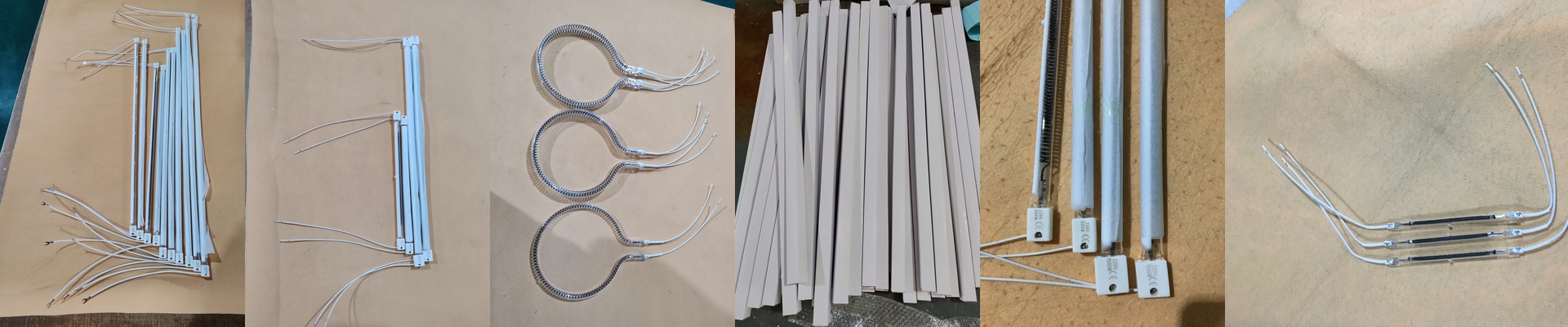
We wrap everything in high-purity quartz. We use quartz because it doesn’t freak out when the temperature jumps up and down rapidly. It can handle the shock. Depending on what you’re heating, you might see some lamps with a gold or aluminum coating. That’s just a mirror to bounce the heat forward, making sure the energy hits your workpiece instead of wasting it on the ceiling. Also, keep an eye on your connectors. Whether you’re using a pinch-weld or a cap, it needs to be snug. If you’re running these in a shop with a lot of vibration, a loose connection will start to arc. Once that happens, your end-seal is toast.
Making Them Work for You
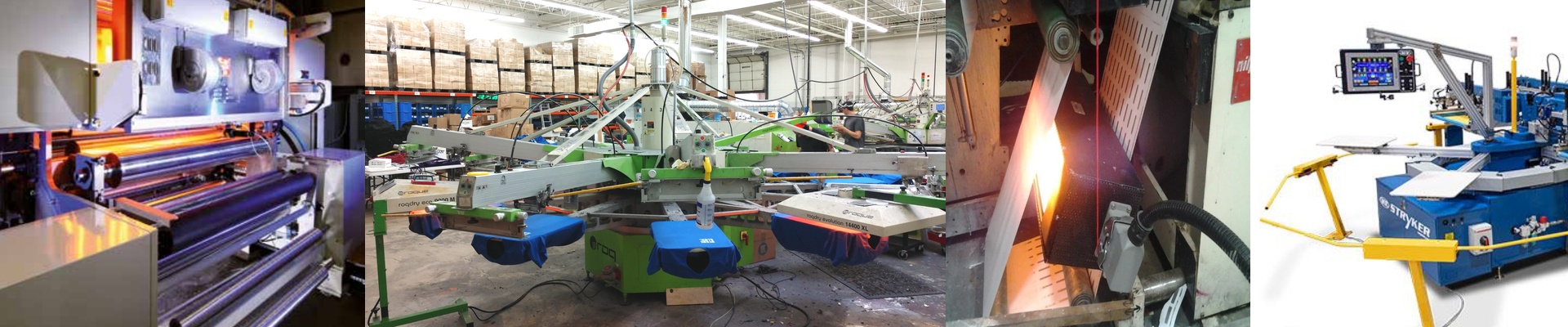
The best part? These usually drop right into the slots where your old heaters lived. They also give you a much wider heating zone. That means you can stop worrying about those annoying “hot spots” that ruin your product. Everything gets a more even bake. Here’s the catch, though. Carbon fiber is great for penetrating materials, but it’s a bit more fragile than a solid chunk of metal. If your floor is a chaos zone with heavy machinery shaking the walls or things getting bumped around,get a protective cage. Without one, one bad bump and that quartz tube is going to shatter. Simple as that.