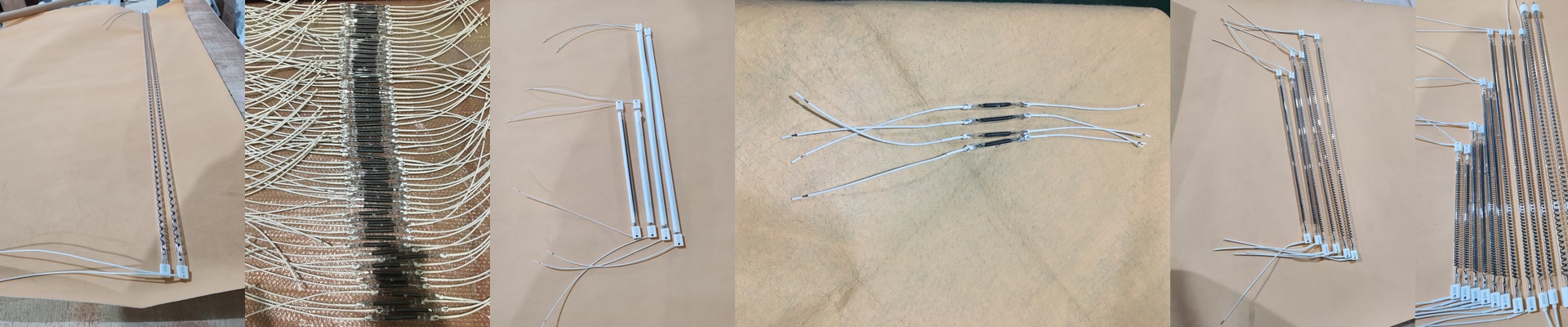
OEM Carbon Fiber Halogen Heater: Power, Precision, and the Kind of Reliability You Can Count On
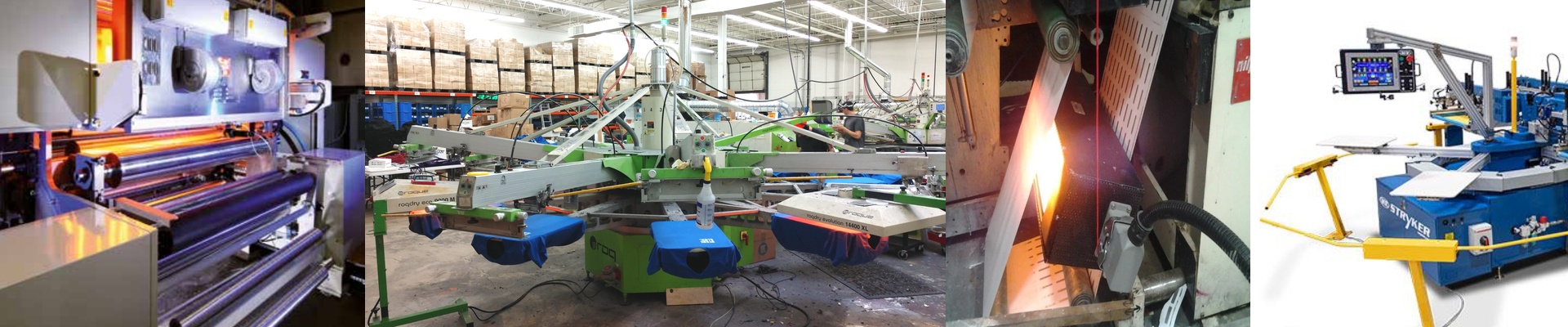
We built this OEM carbon fiber halogen heater for engineers who are tired of gear that sounds tough on paper but falls apart when the pressure’s on. You need a heat source that meets your specs cleanly, wires up without a fight, and keeps its head when the workload gets heavy. It’s a shortwave infrared heater, born for industrial heating, drying, and curing lines. If your world runs on tight footprints and zero downtime, this one was made for you.
Let’s talk power, voltage, and size
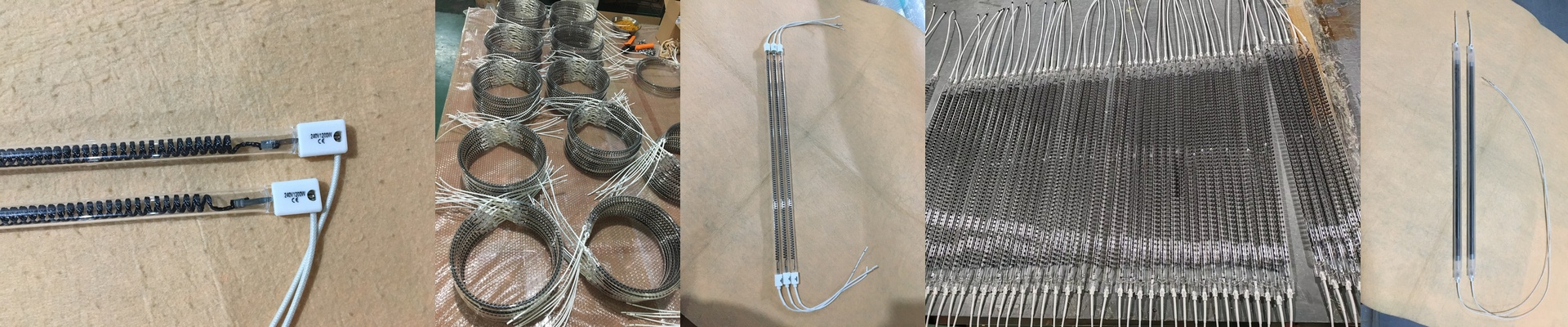
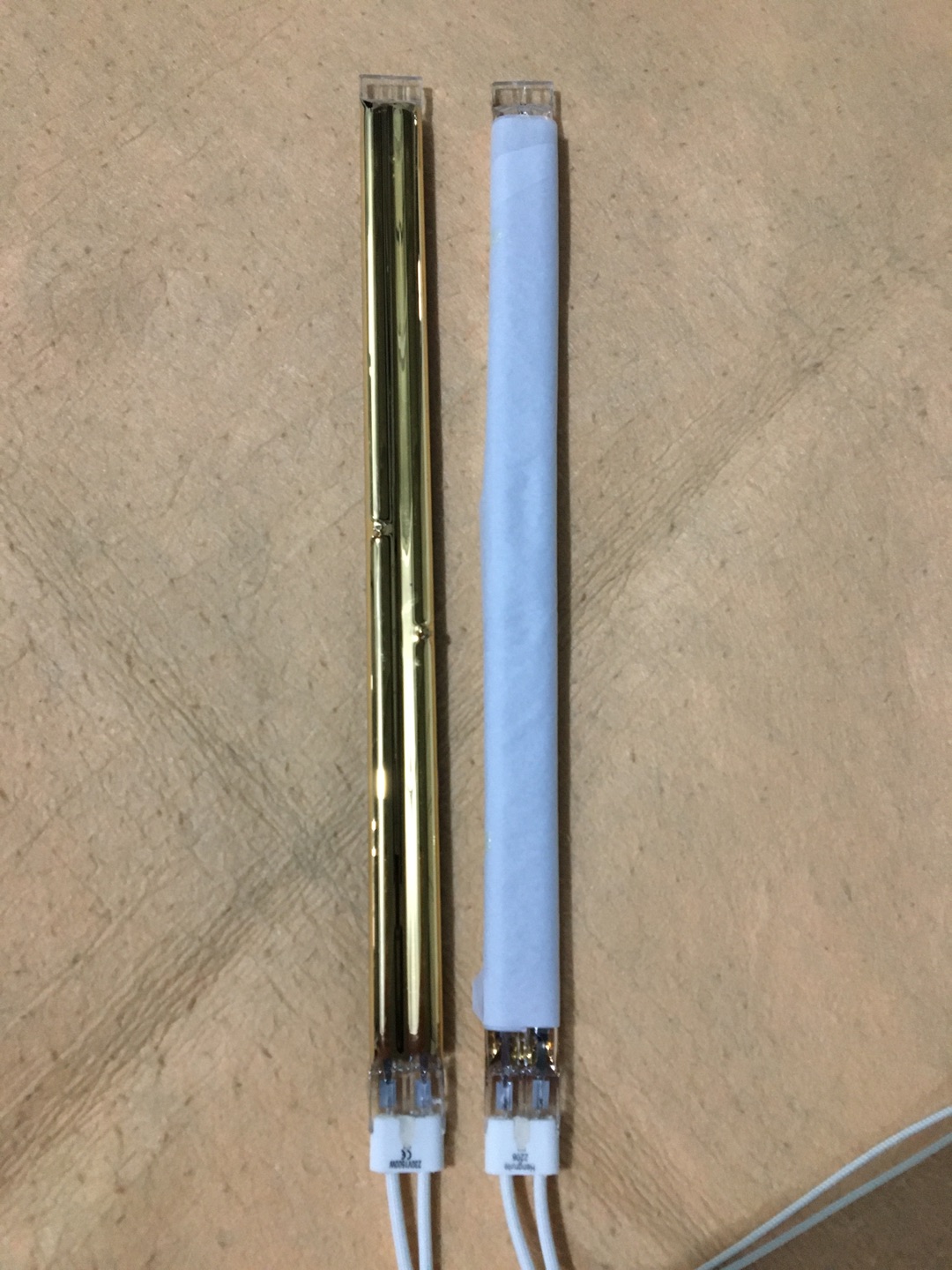
It runs on 400V and delivers 2500W, all packed into a tidy 300mm tube. That kind of power density means you get rapid ramp-up and steady control, even in those cramped zones where precision matters most. And the 300mm length? That wasn’t an accident. It slips right into standard machine slots, so you don’t have to redesign the whole line just to make room. You get predictable heat across the target without turning your mounting setup into a science project.
Built to take the heat
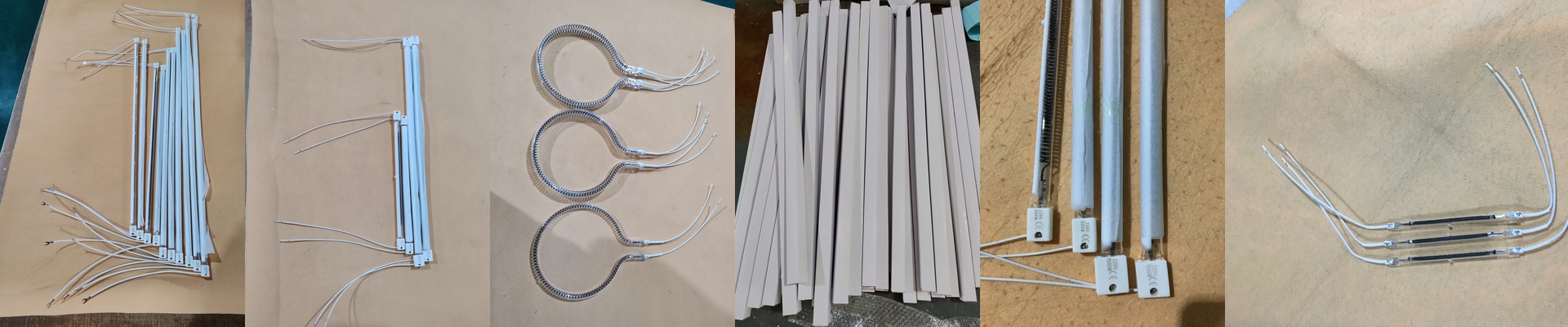
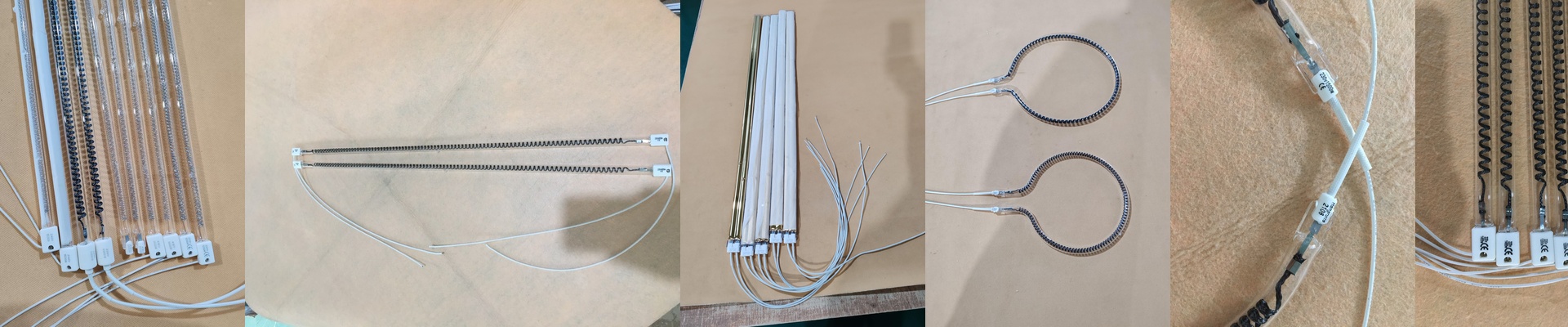
At the heart is a carbon fiber element, snug inside a halogen-filled quartz tube. The halogen gas keeps the filament stable, fights blackening, and helps the output stay consistent over time. Meanwhile, the quartz envelope shrugs off high temperatures and handles thermal shock like a champ. Then there’s the R7s connector. It’s industrial-grade, quick to lock in, and stays put even when there’s vibration. And because it’s a direct fit for many existing fixtures, you skip the rewiring headache.
Where it shines, and what to watch for
This heater is your go-to when you need serious heat density in a small footprint—coating curing, adhesive activation, plastic processing, you name it. The focused infrared hits the work directly, which means less preheat time and less wasted energy. Installation is straightforward: align the R7s contacts, secure the tube, and set your controls. Now, here’s the part to keep in mind: 2500W at 400V packs a punch. Your machine’s cooling and clearance need to be properly planned. Make sure you’ve got airflow and thermal shielding in place to protect nearby components. This heater is tough, but the rest of the system has to keep pace.