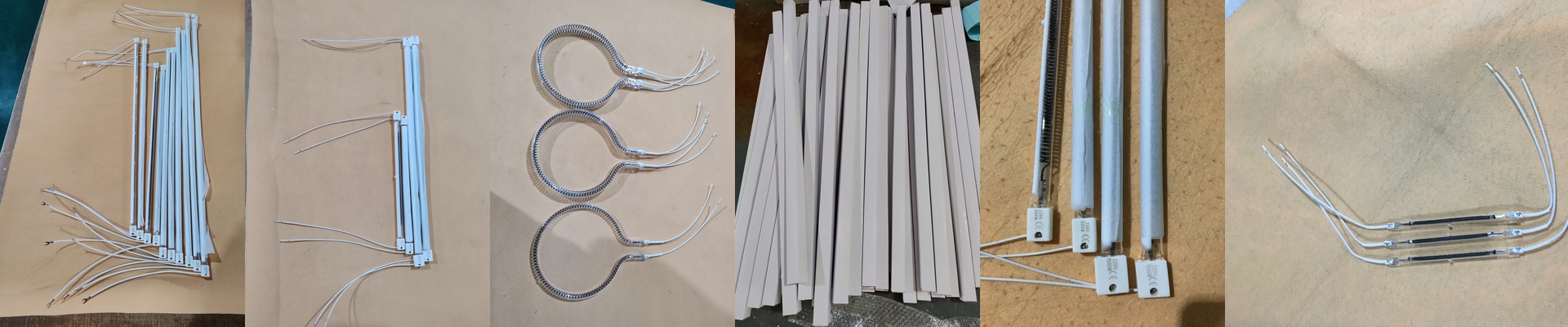
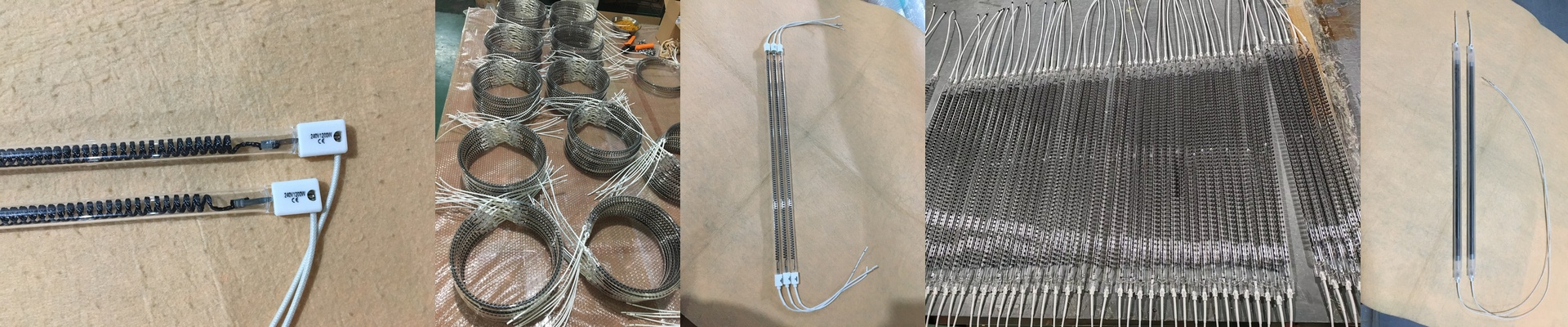
A No-Nonsense Guide to Carbon Fiber Infrared Lamps
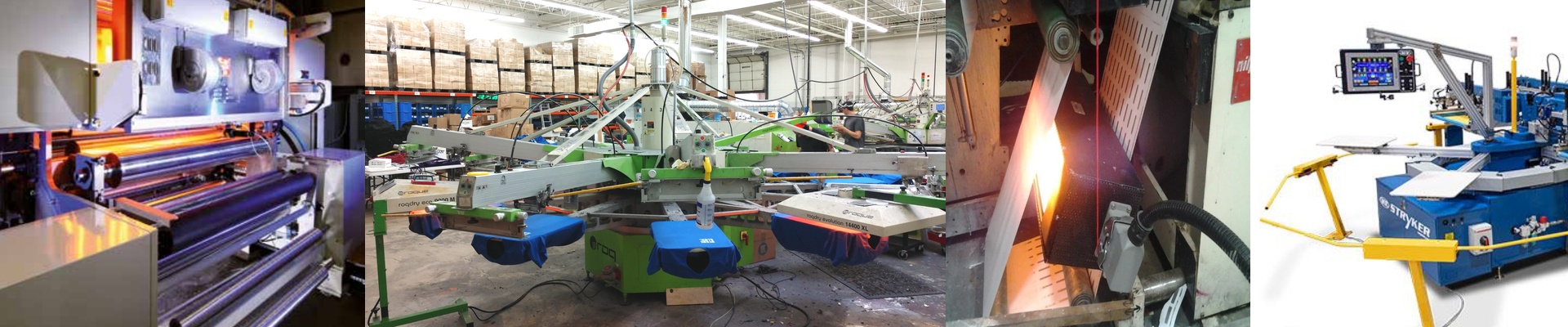
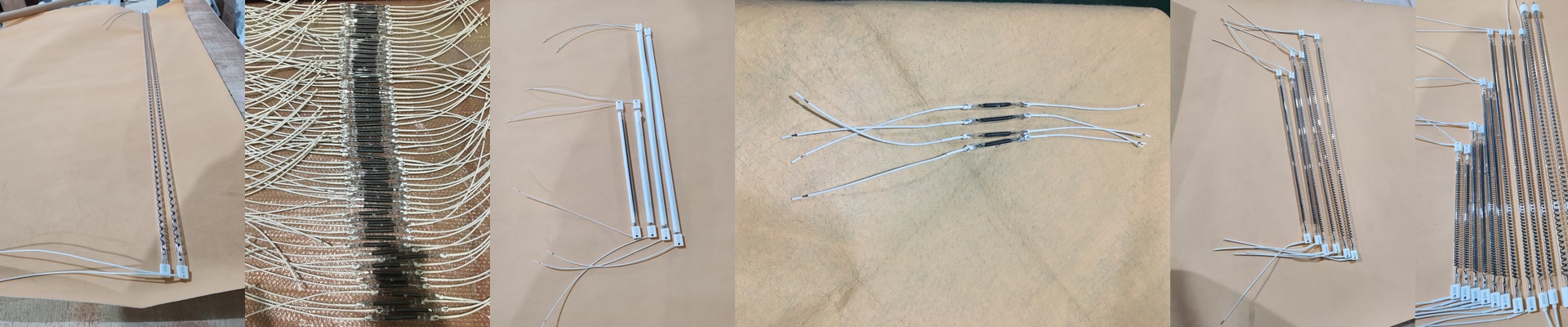
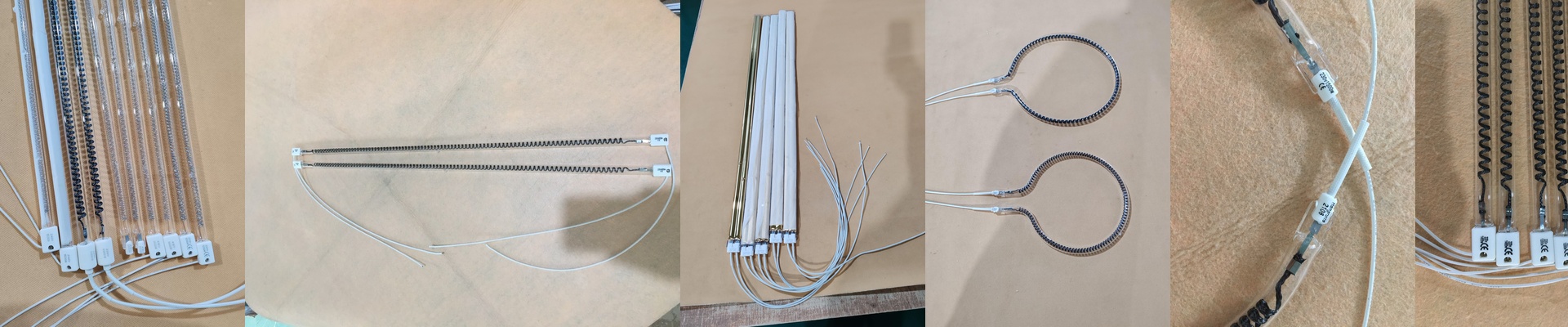
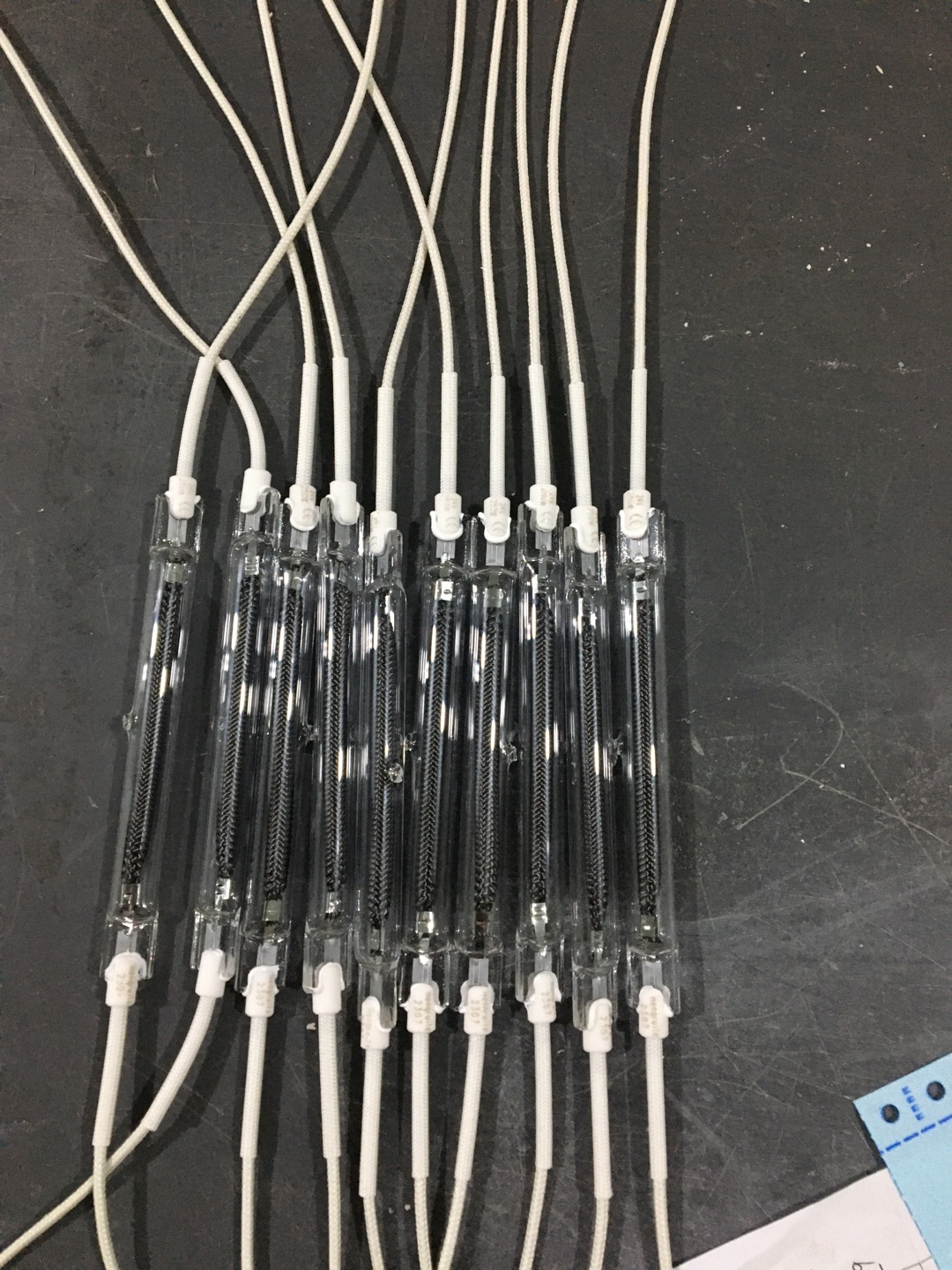
If you’ve ever used old-school metal filaments, you know they can be a bit sluggish. Carbon fiber is a different beast. We wrap a carbon filament inside a quartz tube, and the result is short-wave infrared radiation that hits hard and fast. It’s built for those moments when you can’t afford to wait around for things to warm up. You flip the switch, and it’s hot. Right now. Getting the power right Here is the thing about voltage and wattage: they dictate exactly how much heat you’re throwing at your project. Whether you’re running at 230V or 400V, you’re basically changing the “thermal footprint.” High voltage lets you cram more power into a shorter tube, which means you get a massive amount of heat in a very small space. But be careful. Double-check your power supply before you start wiring. If you shove too many watts into a tiny area, you’re going to fry your contacts or melt your housing. Not a great way to start the day. The build and the bits We use quartz glass for the outer shell because it lets the infrared light pass through without soaking up the heat. Some of our versions have a special coating—either to tweak the heat spectrum or just to keep the filament safe. For the plugs, we stick with R7s or SK15 bases. They’re standard, they’re easy to swap, and most importantly, they stay tight. When things get hot, materials expand. If that connection is loose, you’ll get arcing, and your lamp will die way sooner than it should. Real-world use (and what to watch out for) You’ll see these lamps everywhere in PET bottle blowing and plastic welding. They’re great because they slash your cycle times—you hit your target temp in seconds. But there’s a catch. Because short-wave IR penetrates so deeply and so quickly, it’s easy to overdo it. If your material is too thin, you’ll blow right past your target temperature before you even realize it. To keep things under control, spend some time tuning your PID controllers. And for heaven’s sake, make sure your cooling fans are actually strong enough to handle the heat building up around the housing. Otherwise, you’re just baking your own equipment.