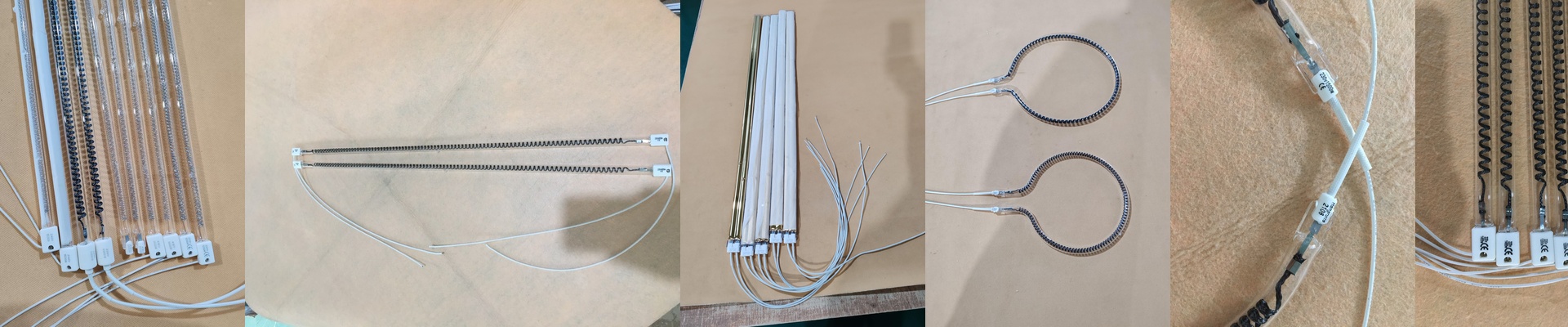
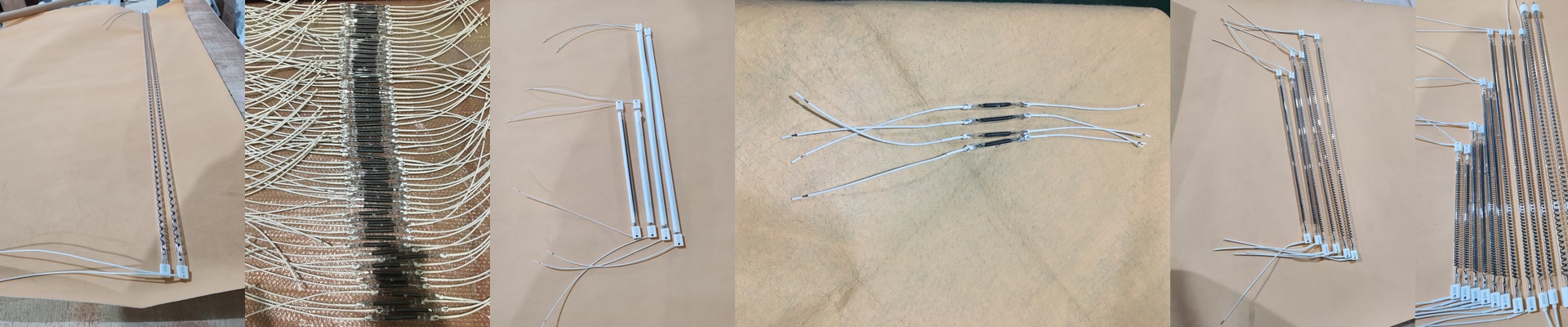
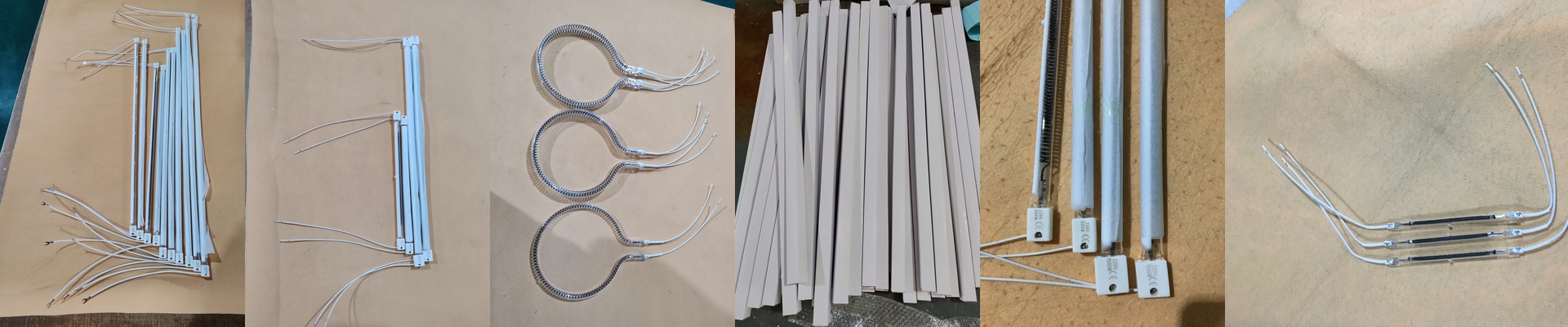
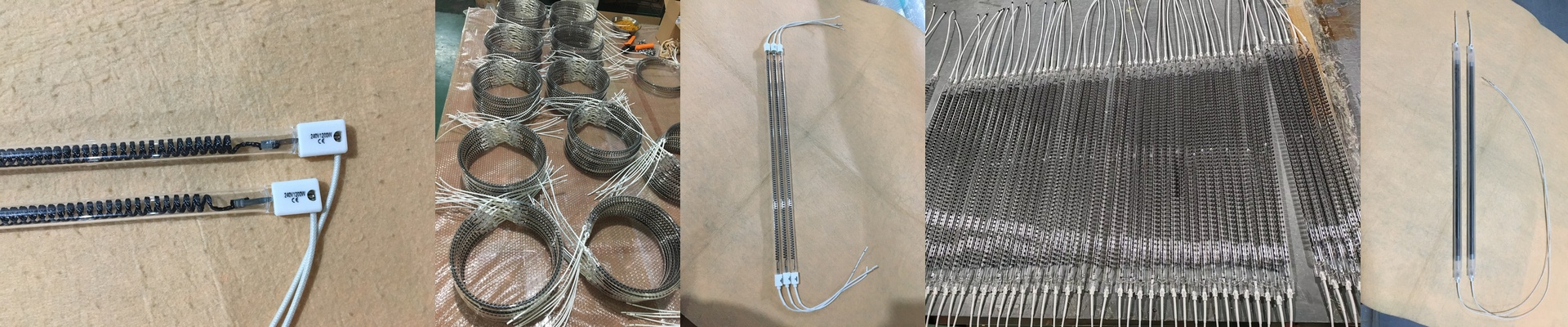
Let’s Talk About 220V 1000W Carbon Fiber Heaters
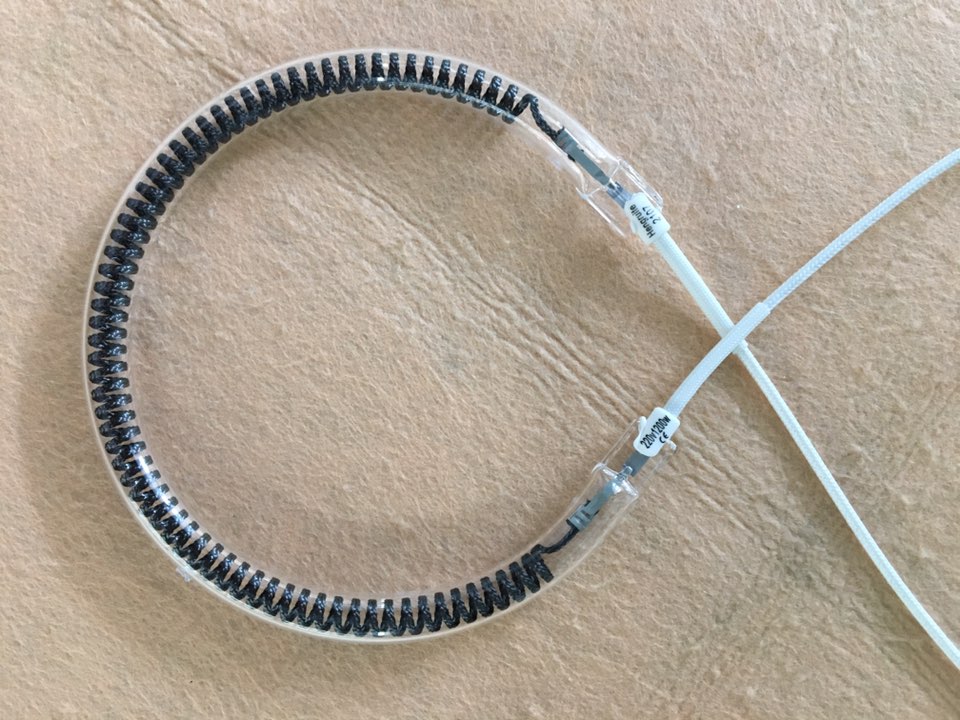
If you need heat—and you need it now—these carbon fiber lamps are the way to go. We built them for those situations where you can’t afford to wait around for a heater to warm up. Most cheap lamps use metal alloy filaments. Those tend to sag or just burn out when things get too hot. We swapped that out for a carbon fiber core. It handles the heat way better, so you aren’t replacing bulbs every other week. The power side of things Running at 1000W and 220V gives you a serious punch of heat. It hits fast. Really fast. This is a lifesaver if your parts are only moving under the heat for a few seconds. Plus, since we stuck with the 220V standard, it fits right into most industrial grids. You can just wire it in. No need to mess around with bulky, expensive step-down transformers. Why carbon fiber actually matters Here’s the secret: carbon fiber puts out medium-to-long wave infrared. In plain English? The heat actually gets inside plastics and organic materials rather than just scorching the surface. To keep everything from oxidizing, we wrap the filament in a high-purity quartz tube. But a quick heads-up: while the carbon fiber is tough, the quartz is still glass. It’s brittle. If your machines vibrate a lot, please use dampened mounts. Otherwise, you’re just asking for a cracked tube. Getting them set up These usually slide right into place where your old infrared heaters were. You’ll notice your machinery spends way less time in the “warm-up” phase. Just keep an eye on your power draw. 1000W per lamp adds up quickly. If you’re installing a bank of ten, make sure your wiring and control panel can handle the load. You don’t want to be the person who melted the insulation or tripped every breaker in the shop. And one last thing: give them some breathing room. If the air stays stagnant around that quartz tube, the ends can overheat. Keep the airflow moving and you’ll be golden.