Let’s Talk About Carbon Infrared Heating
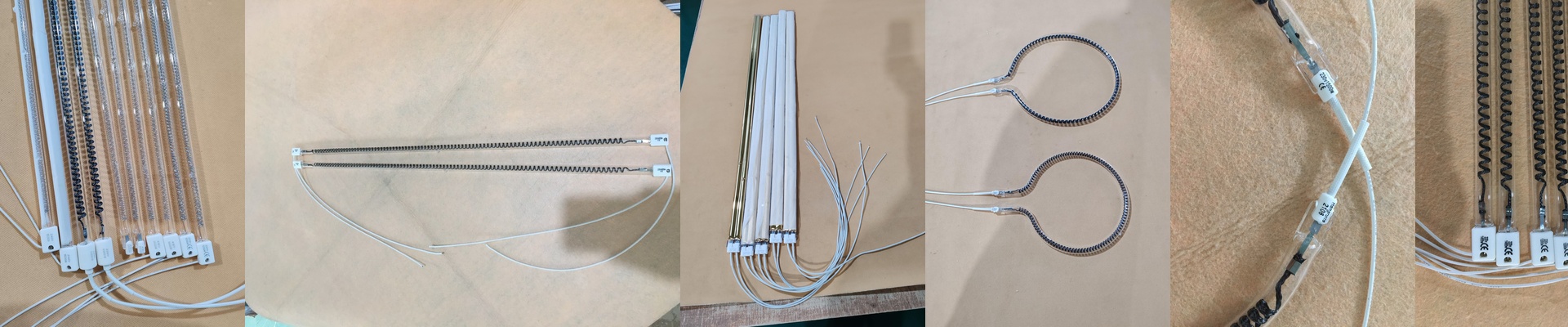
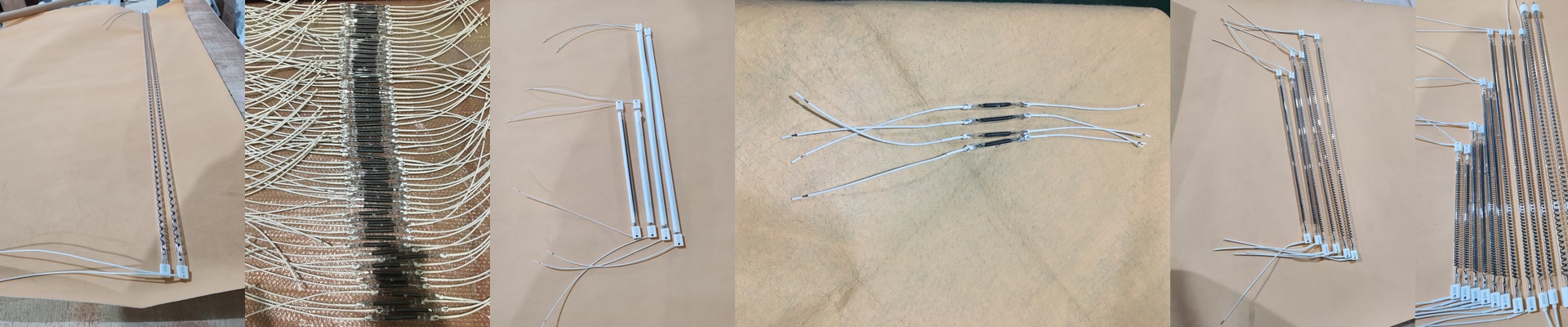
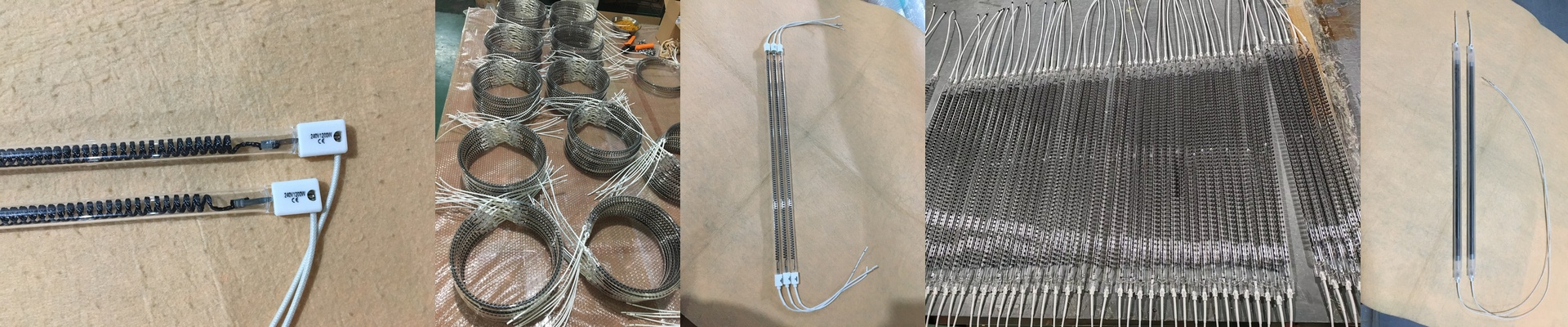
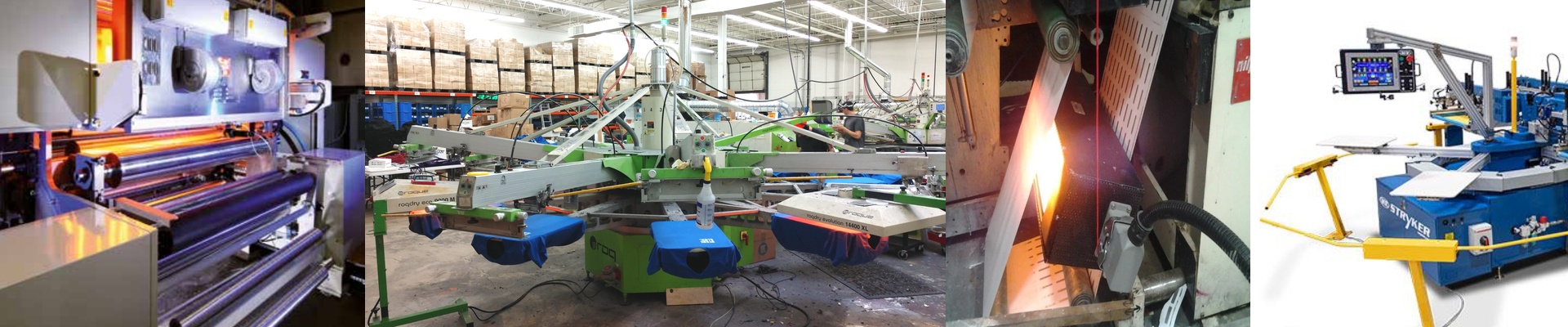
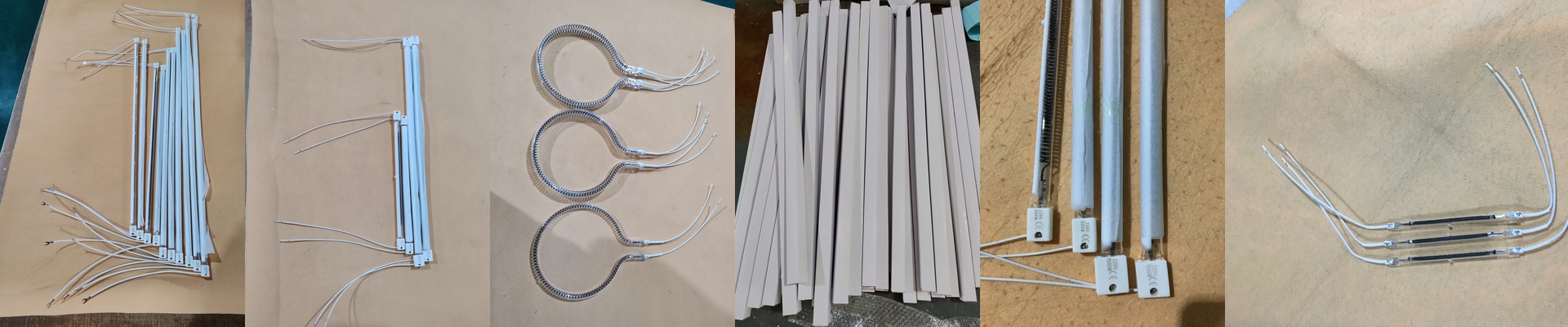
Ever wonder why some heaters just feel… different? It comes down to what’s happening inside the tube. Instead of the old-school tungsten coils you’ve probably seen a million times, these lamps use a carbon-fiber filament tucked inside a quartz envelope. Here’s the cool part: they don’t need to get nearly as hot as tungsten to do their job. Instead, they pump out medium-wave radiation. This is a big deal if you’re working with plastics or coatings because the heat actually sinks into the material rather than just scorching the surface.
Getting the Power Right
When you’re picking out a lamp, keep an eye on the wattage relative to the length. If you cram a lot of wattage into a short tube, you’re creating a serious thermal hotspot. Pair that with 230V or 400V, and your ramp-up time is lightning fast. But a word of caution: high-density tubes are thirsty. They pull a lot of current. If your cables or contactors aren’t up to the task, things will start to smell like burnt plastic pretty quickly.Double-check your wiringbefore you flip the switch.
The Hardware Side of Things
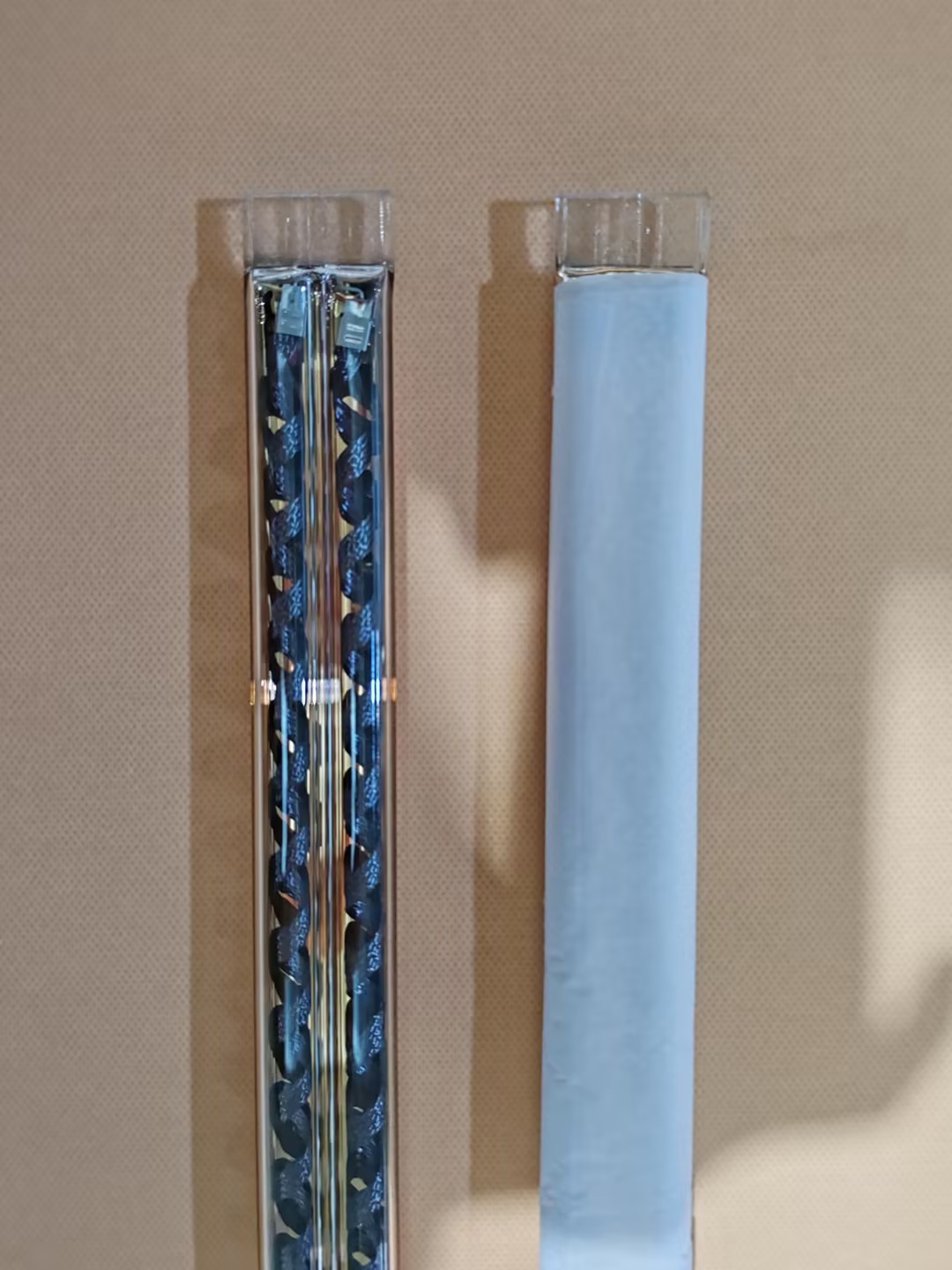
We use high-purity quartz for the housing. It’s tough. It handles those wild temperature swings without cracking and keeps the filament from oxidizing. For the plugs, we stick with R7s or Sk15 connectors. We do this because nobody wants to spend their afternoon rewiring an entire rack just to replace one dead bulb. These just slide right in. You might also see some tubes with a silver or gold coating. Think of it like a mirror. It bounces the heat forward onto your workpiece so you aren’t wasting energy heating up the frame of your machine.
The Honest Trade-offs
Look, carbon heaters aren’t perfect for every single job. On the plus side, they’re way more efficient than metal filaments and they hit your target temp in no time. But they’re a bit temperamental. One hard bump during installation and snap—there goes your filament. You’ve got to treat them with a bit of tenderness. Also, keep in mind that because they use medium-wave IR, they aren’t the best choice for “flash-curing” or drying just the very top layer of a product. They’re built for the deep stuff. If you need heat to soak in, these are your best bet.