The Real Deal on Carbon Fiber FIR Heating Lamps
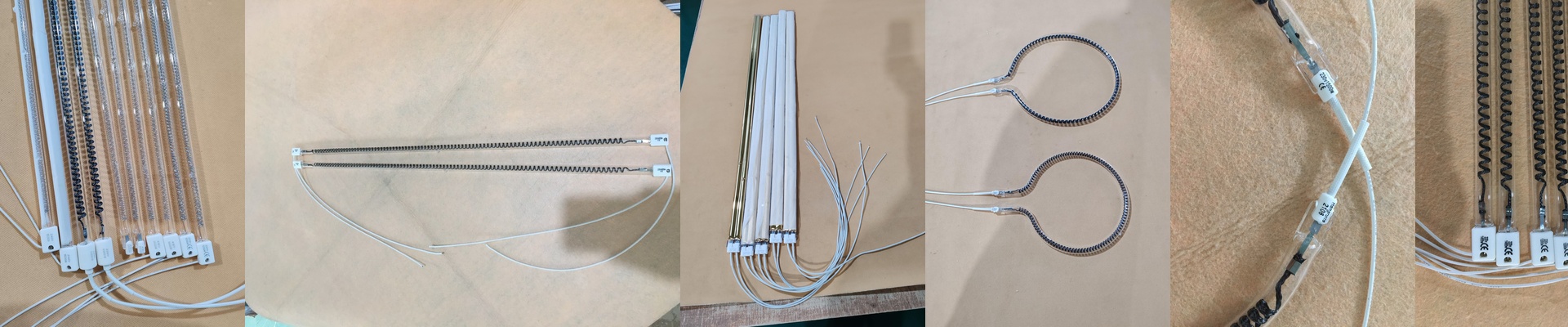
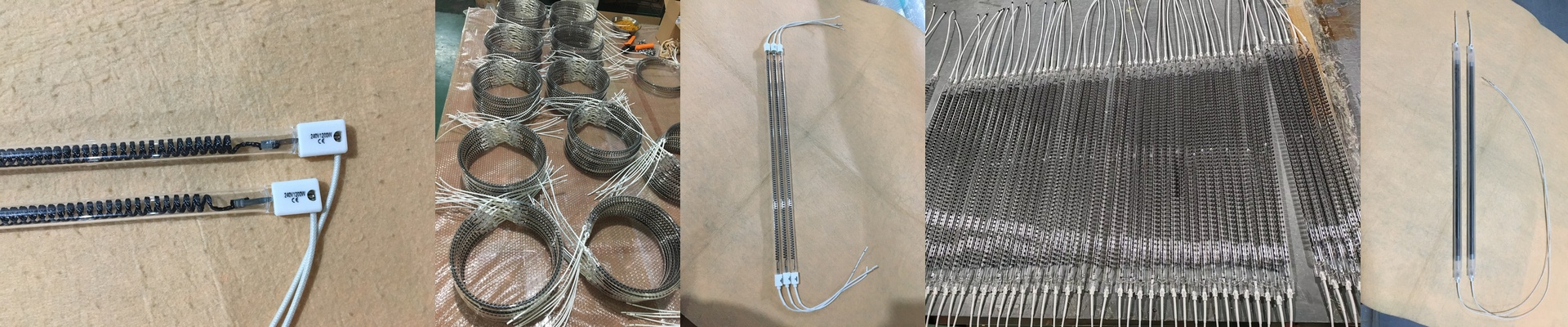
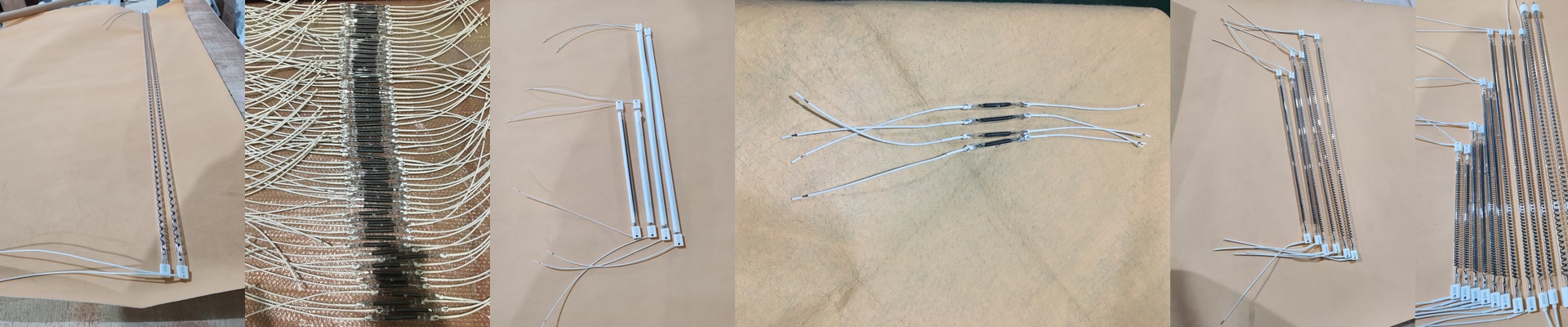
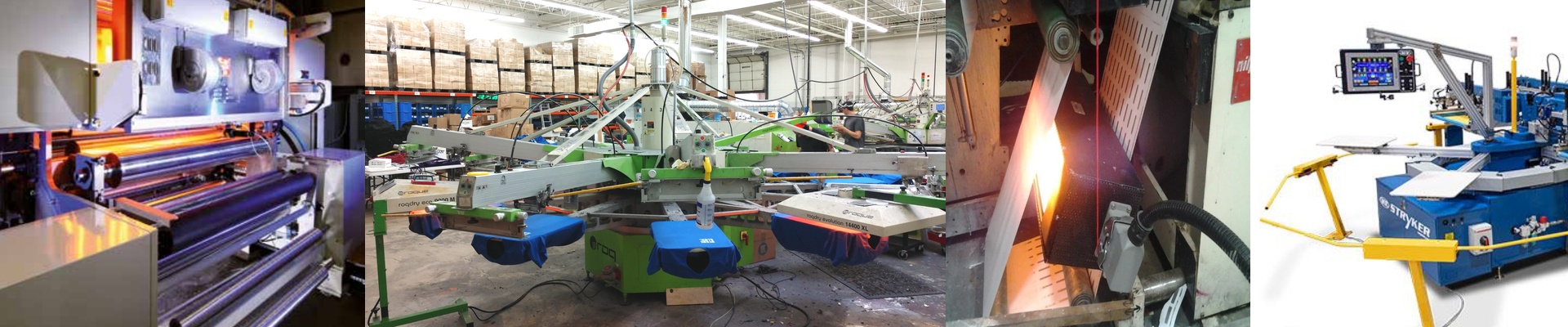
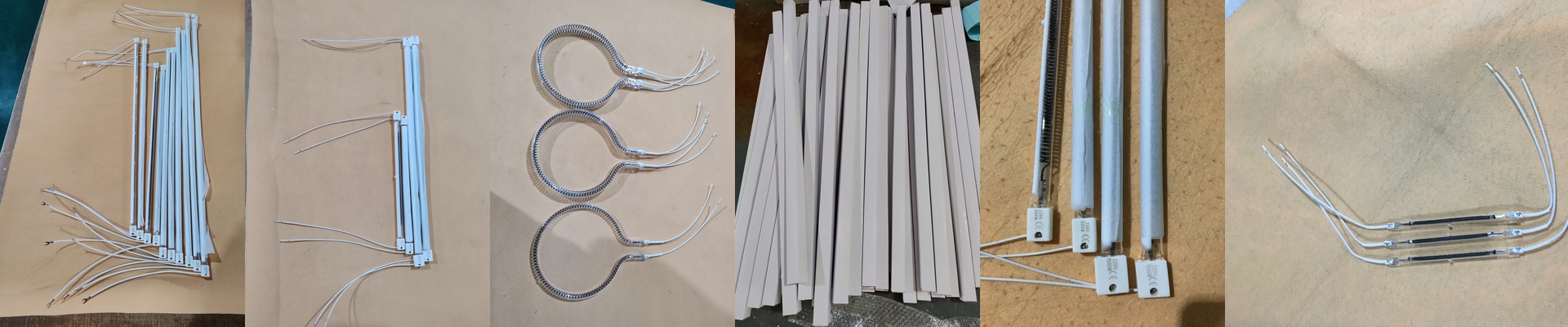
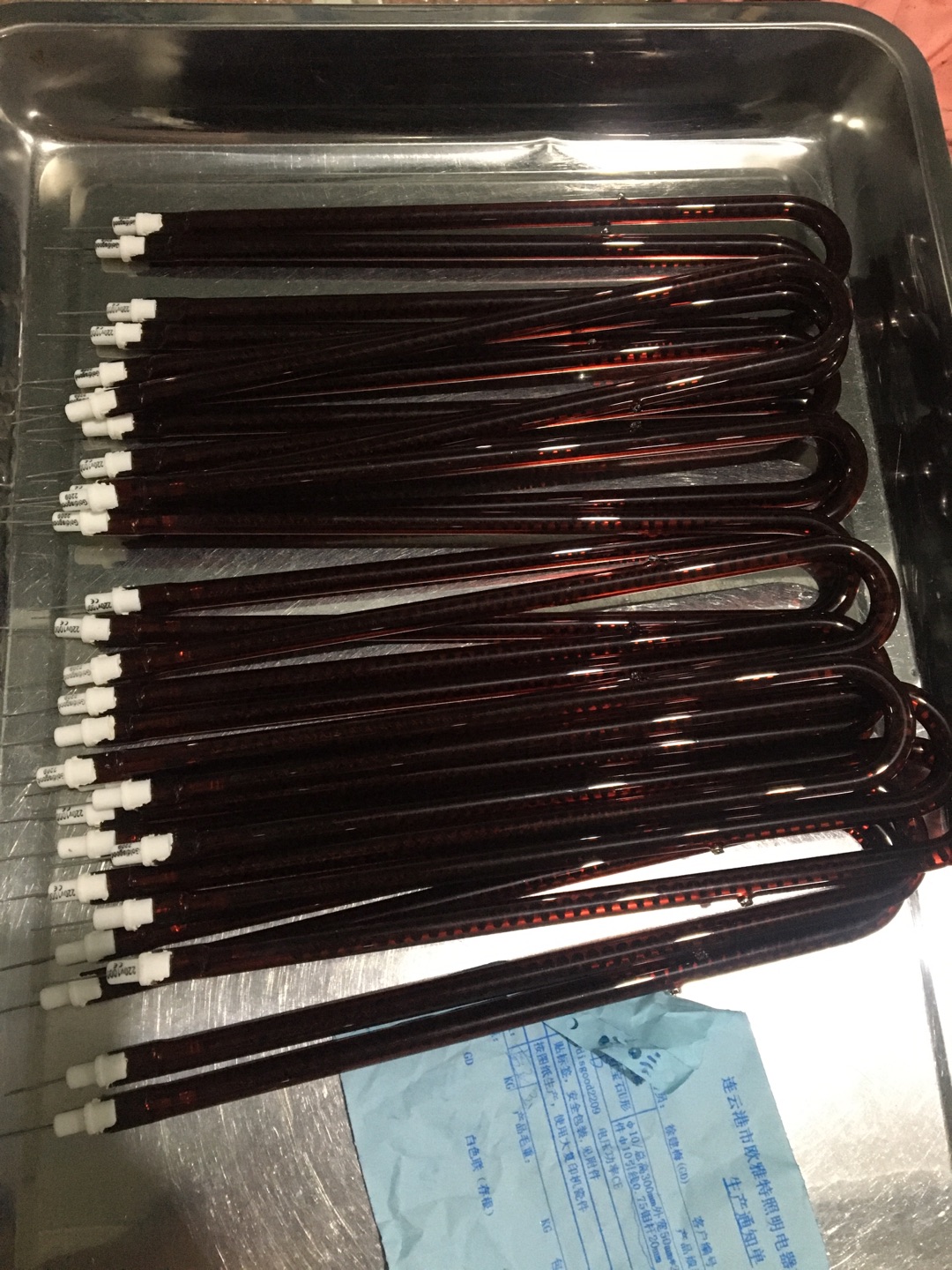
Most people are used to those old-school metal alloy filaments, but we’ve moved over to a carbon fiber weave. Why? Because it can take a beating from high temperatures without rusting away or oxidizing like nichrome wire does. The big win here is the heat itself. Instead of just scorching the surface of whatever you’re heating, this setup pushes energy into the far-infrared range. It actually sinks deep into the material. Getting the power right When we’re figuring out the specs, it all comes down to how much heat you actually need in a specific spot. If you cram a high-wattage tube into a small space, things get hot—fast. If you’re running a 400V system, you get a ton of power without needing bulky, expensive wiring. But you have to be smart about it. That kind of intense, localized heat can be brutal. If you don’t get your cooling fans and housing just right, you’ll end up with melted sockets or a quartz tube that cracks under the pressure. Not a fun day at the office. The guts of the lamp The carbon filament lives inside a high-purity quartz tube. Depending on the plastic you’re working with, we can add coatings to the glass to tweak the wavelength or make the heat hit harder. For the connections, we stick with R7s or SK15 bases. They’re standard for a reason. If a lamp burns out, you just pop it out and slide a new one in. No need to tear apart your whole wiring rack just to get back up and running. What it’s like on the shop floor You’ll see these all over the place—PET blowing, paint curing, drying lines, you name it. The best part? They hit operating temperature almost instantly. You aren’t standing around waiting for a ceramic heater to wake up. But there’s a catch. They’re a bit fragile. Sure, carbon is tough, but one hard bump during installation and the element will snap. And a pro tip:**always wear gloves.**If you leave fingerprints or skin oils on the quartz, those spots heat up differently. Eventually, those “hot spots” will cause the whole tube to fail way sooner than it should.