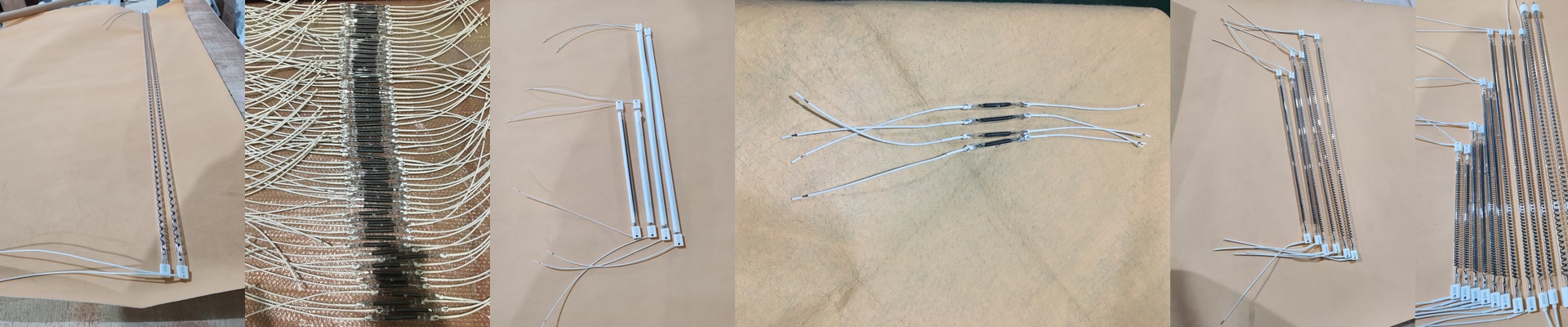
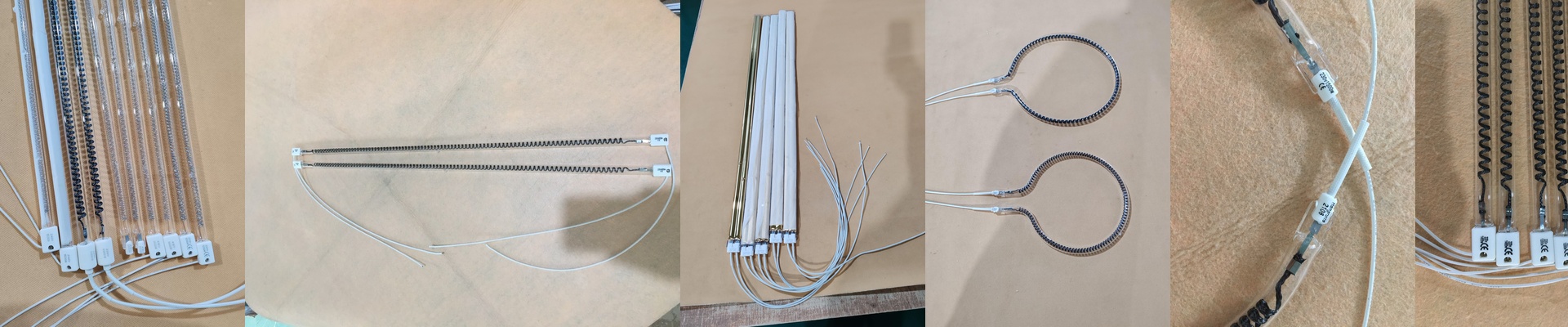
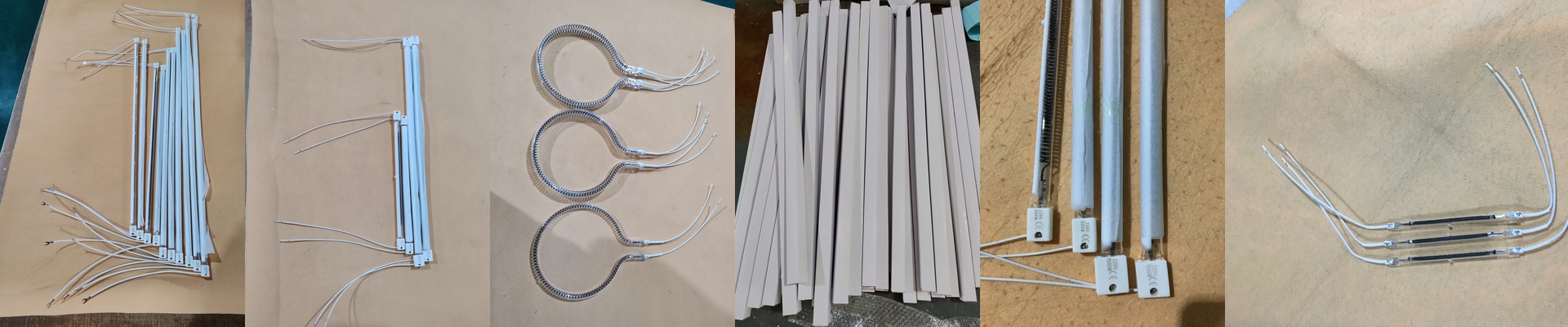
The Real Deal on Carbon Fiber FIR Heating Tubes
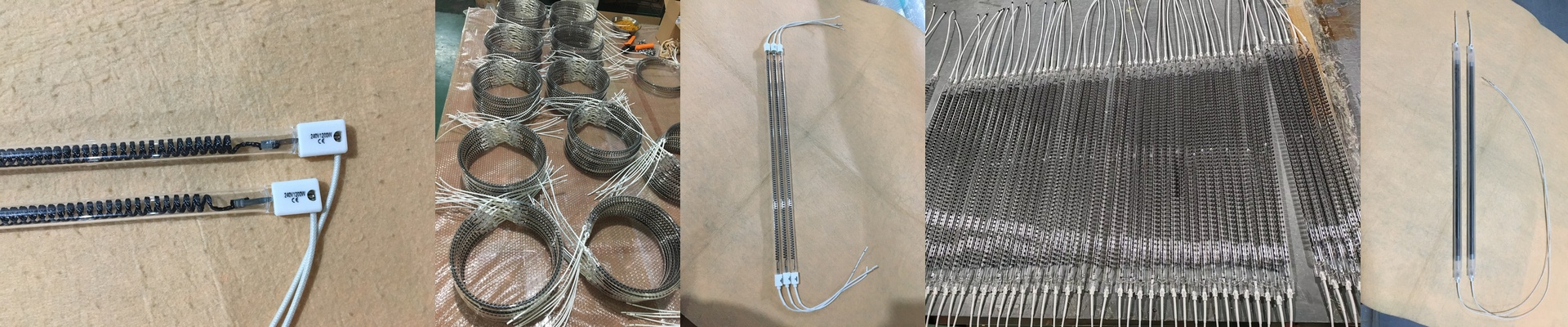
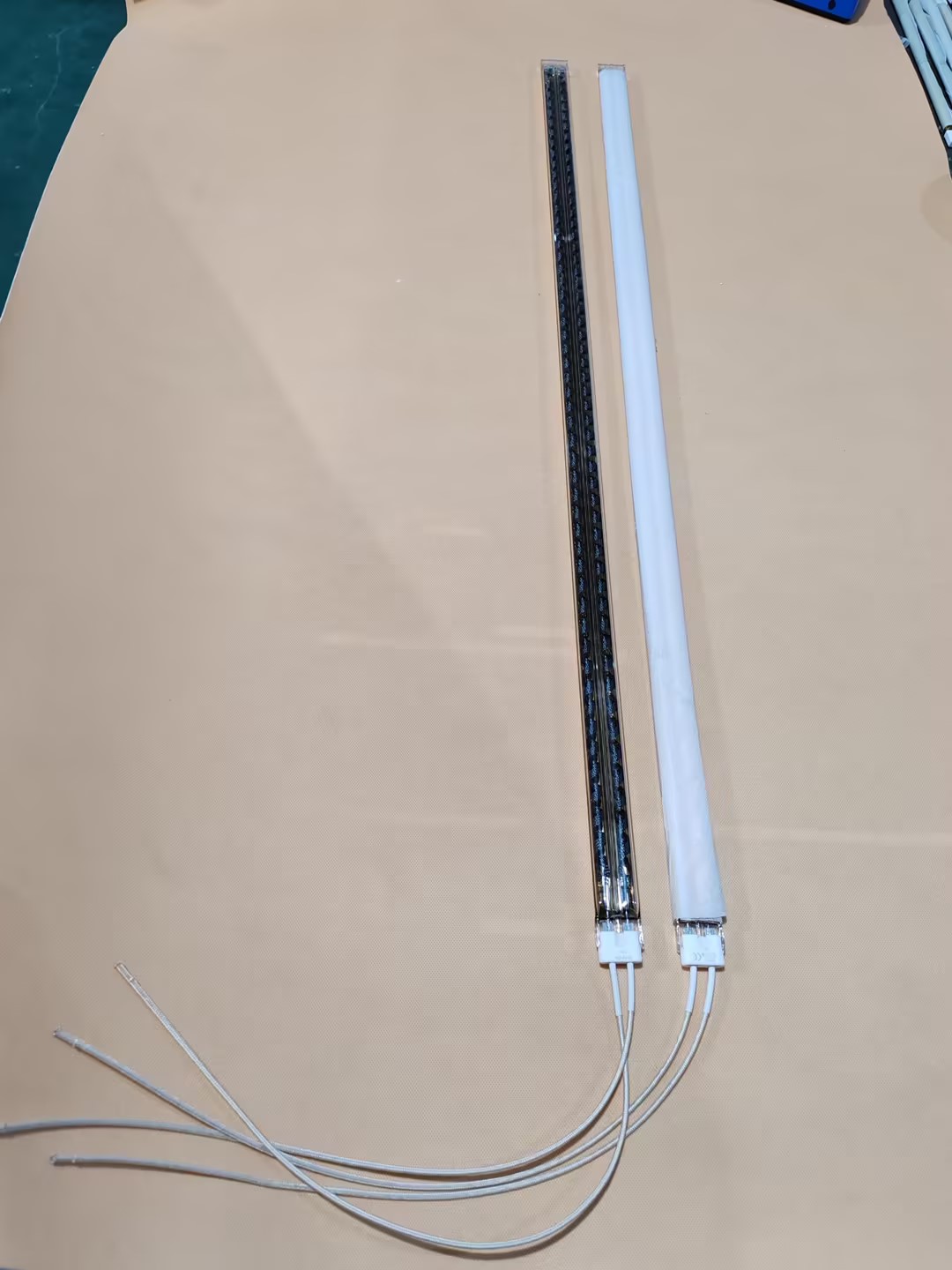
Think of these as the heavy-lifters of the heating world. Instead of using those old-school metal alloy filaments, we use a carbon fiber core wrapped in a quartz glass shell. The big difference? These aren’t just heating up the surface. They push heat deep into the material. If you need something to warm through and through—not just sizzle on the outside—this is what you want.
The Science (Without the Boring Part)
Most lamps just hit the surface and stop. But these carbon fiber elements work in a specific range (2.0 to 10.0 $\mu$m) that plastics and organic materials actually “like” to absorb. It’s a much more natural fit. When you’re picking your tubes, keep an eye on the wattage-to-length ratio. High wattage means you’ll get up to temperature fast. That’s great for productivity, but it does put more stress on the glass. And a quick heads-up:**keep your power supply steady.**A sudden voltage spike will snap that carbon filament in a heartbeat.
Building Them to Last
We wrap the core in high-purity quartz glass. It’s tough, handles extreme temperature swings without cracking, and keeps the filament from oxidizing. We also keep the connections simple. We use standard industrial pins or R7s/Sk15 bases. Why? Because nobody wants to rewire their entire machine just to swap a part. You just pop them in and get back to work. Here is a cool quirk: carbon fiber is flexible. It handles the vibration of heavy machinery way better than tungsten does. But remember, the glass is still glass. It’s brittle. If your machine shakes a lot, use some dampened mounting brackets so you don’t end up with a mess of shards.
Where They Actually Work
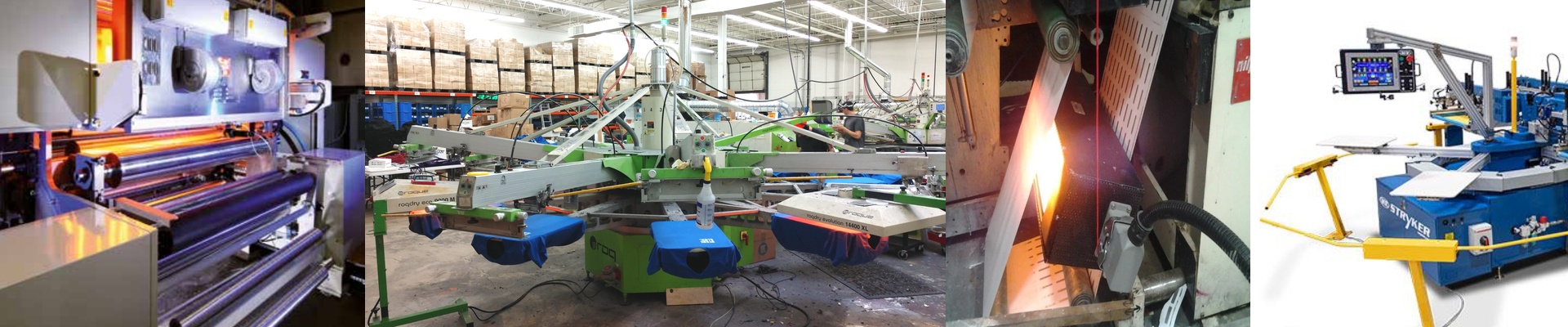
You’ll see these all over the place—PET blowing, curing paint, or in big drying tunnels. They give you a nice, consistent heat footprint across the whole tube. Plus, they’re efficient. Since carbon fiber is better at turning electricity into FIR radiation, you can usually pull less power from the grid. Just one thing… if you go for high heat density, make sure your ventilation is on point. You don’t want your housing to overheat just because your tubes are doing their job too well.