The Real Deal on Carbon Fiber IR Lamps
If you’ve ever dealt with old-school tungsten filaments, you know the drill. They work, but they have their limits. That’s why we switched things up with woven carbon fiber. The big win here is speed. These lamps ramp up almost instantly. Plus, they hit a specific frequency that sinks deep into your materials. You get the heat where you actually need it, without torching the surface of your project.
Let’s talk heat and power
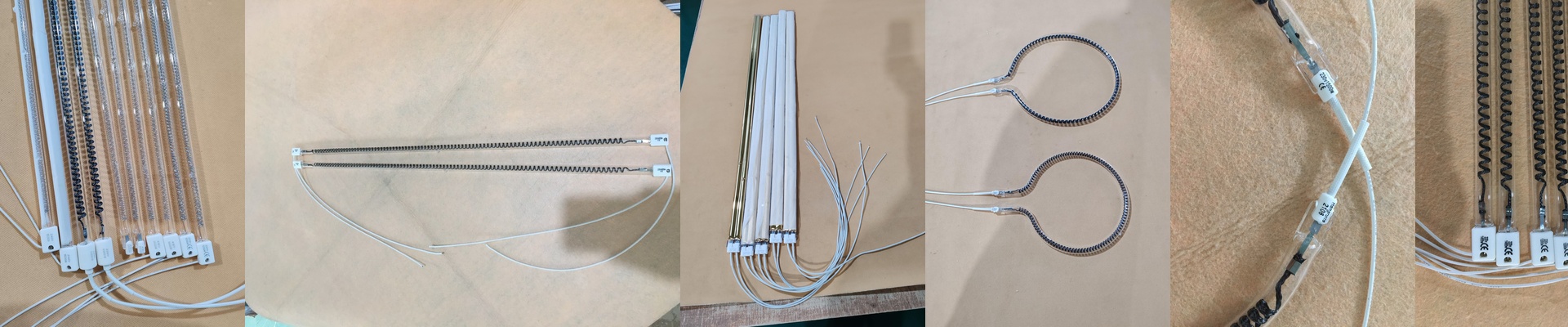
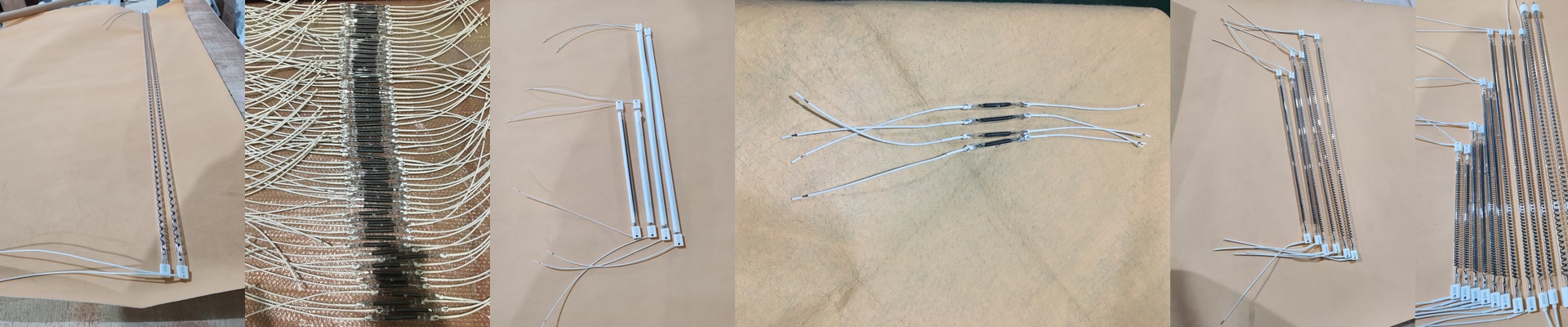
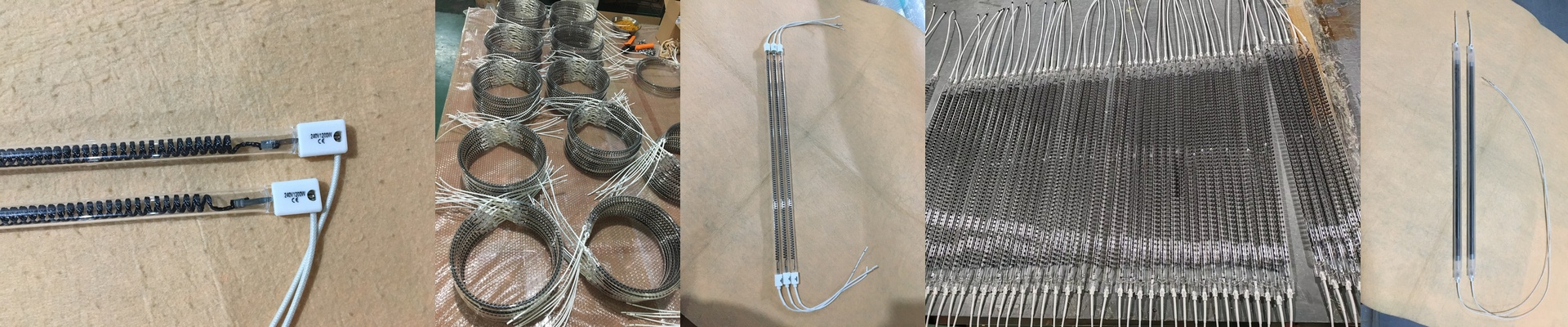
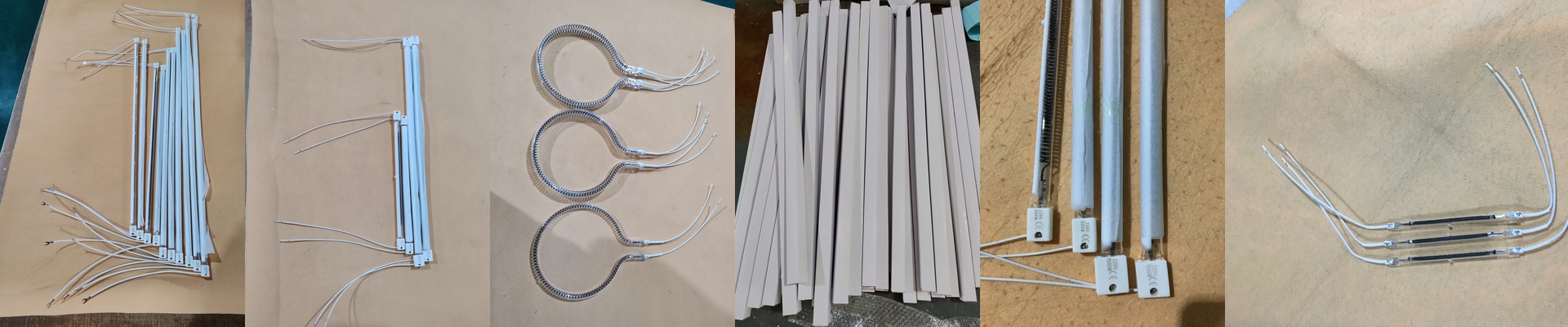
Inside that high-purity quartz tube is the carbon fiber element. Here is the cool part: unlike metal, carbon fiber doesn’t sag when things get scorching hot. That means your heating footprint stays exactly where it should be, from one end of the tube to the other. No weird gaps. No dead zones. But a word of warning. When you go for those high-wattage bulbs, the heat density is massive. It’s powerful stuff. Just make sure your power supply can actually handle it. If your wiring is flimsy, you’re going to blow a fuse the second you flip the switch.
The build and the “extras”
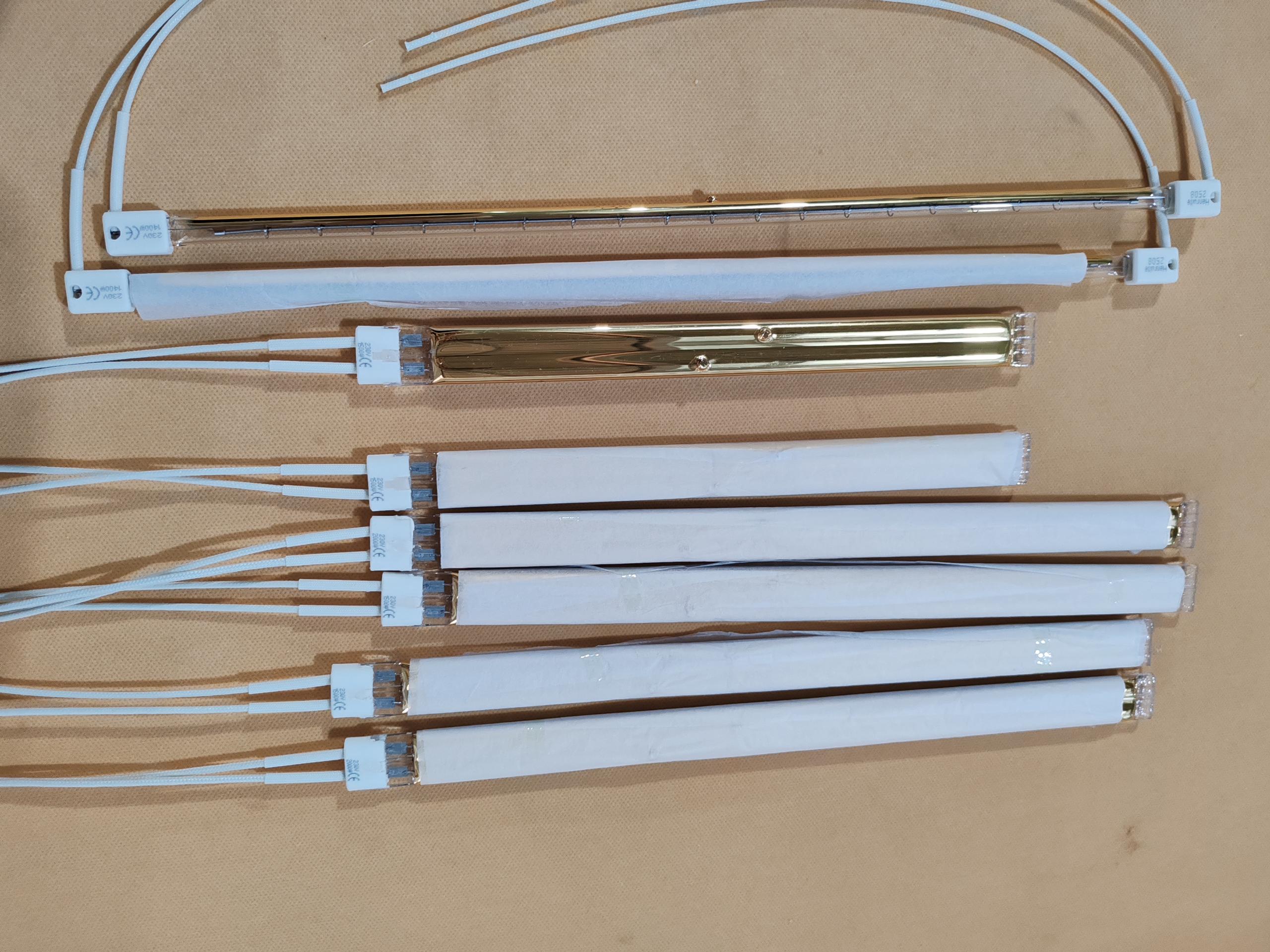
We stick with quartz glass because it can take the hit. When you’re cycling heat on and off rapidly, most glass would just crack. Quartz doesn’t. To make your life easier, we use standard R7s or SK15 connectors. You can just pop them into your existing heaters and get back to work. You’ll also see some of our lamps with a gold or aluminum coating. Think of it like a mirror. Instead of letting heat bleed out into the machine chassis, it pushes all that energy forward, right onto the workpiece. It’s just a smarter way to use your energy.
Putting them to work
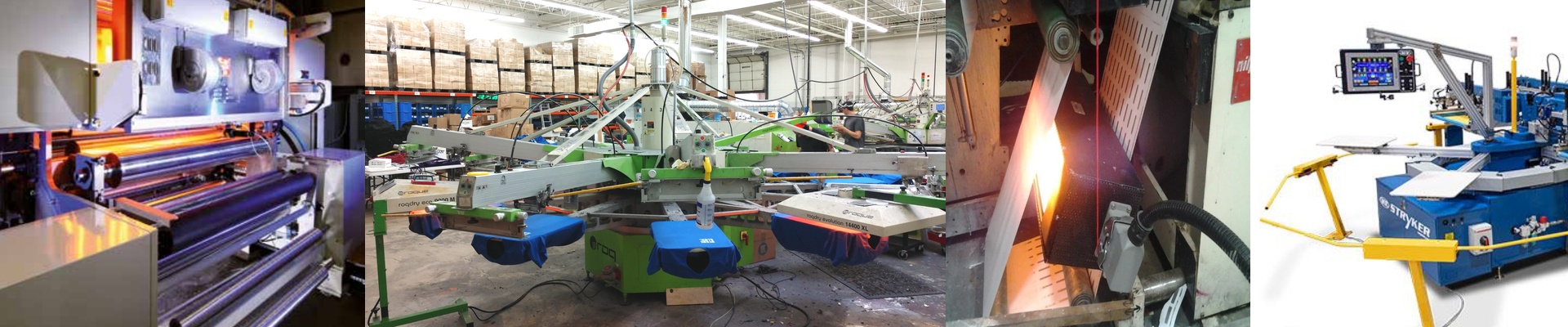
You’ll see these doing the heavy lifting in PET blowing, paint curing, and plastic welding. Because the emitter is a weave rather than a single thin wire, the heat spreads out much more evenly. You don’t get those annoying “hot spots” that warp your plastic and ruin a batch. The trick is all in the distance. You have to find that sweet spot between the bulb and your target. Too close? You’ll melt right through your substrate. Too far? You lose that punchy, shortwave efficiency. Get the spacing right, and these things are a beast.