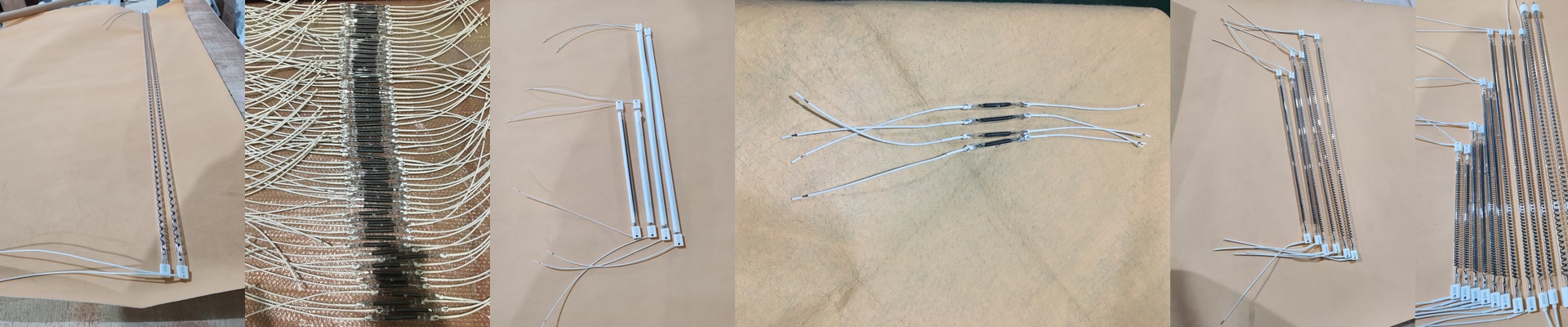
What’s the deal with the 1000W Carbon Fiber IR Lamp?
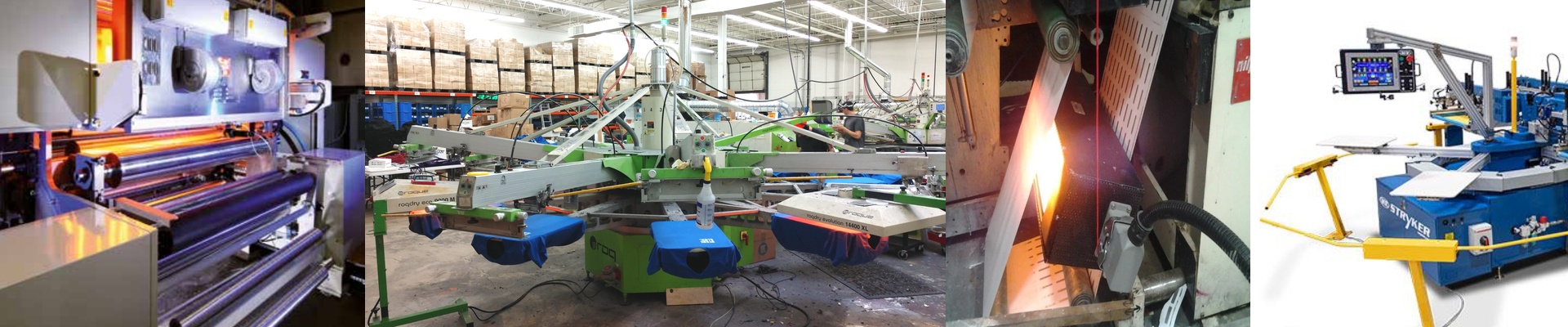
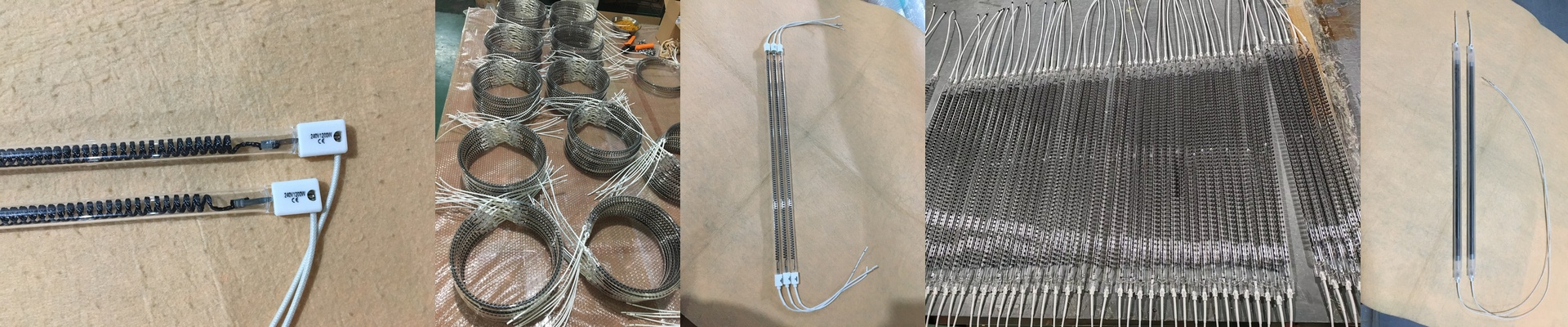
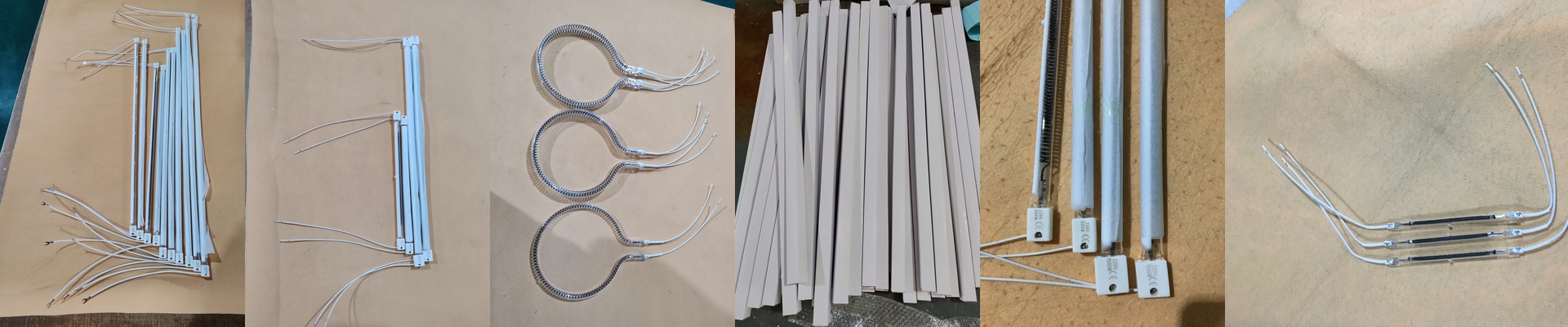
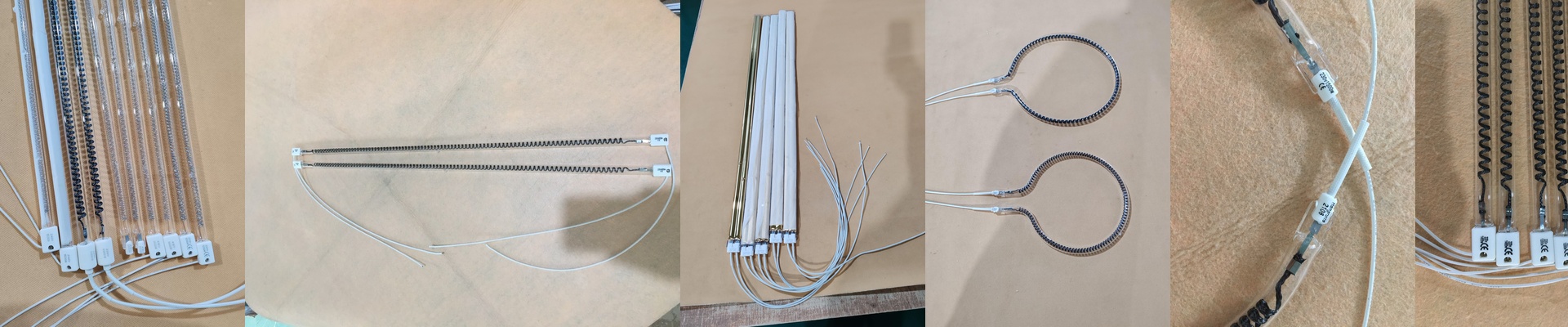
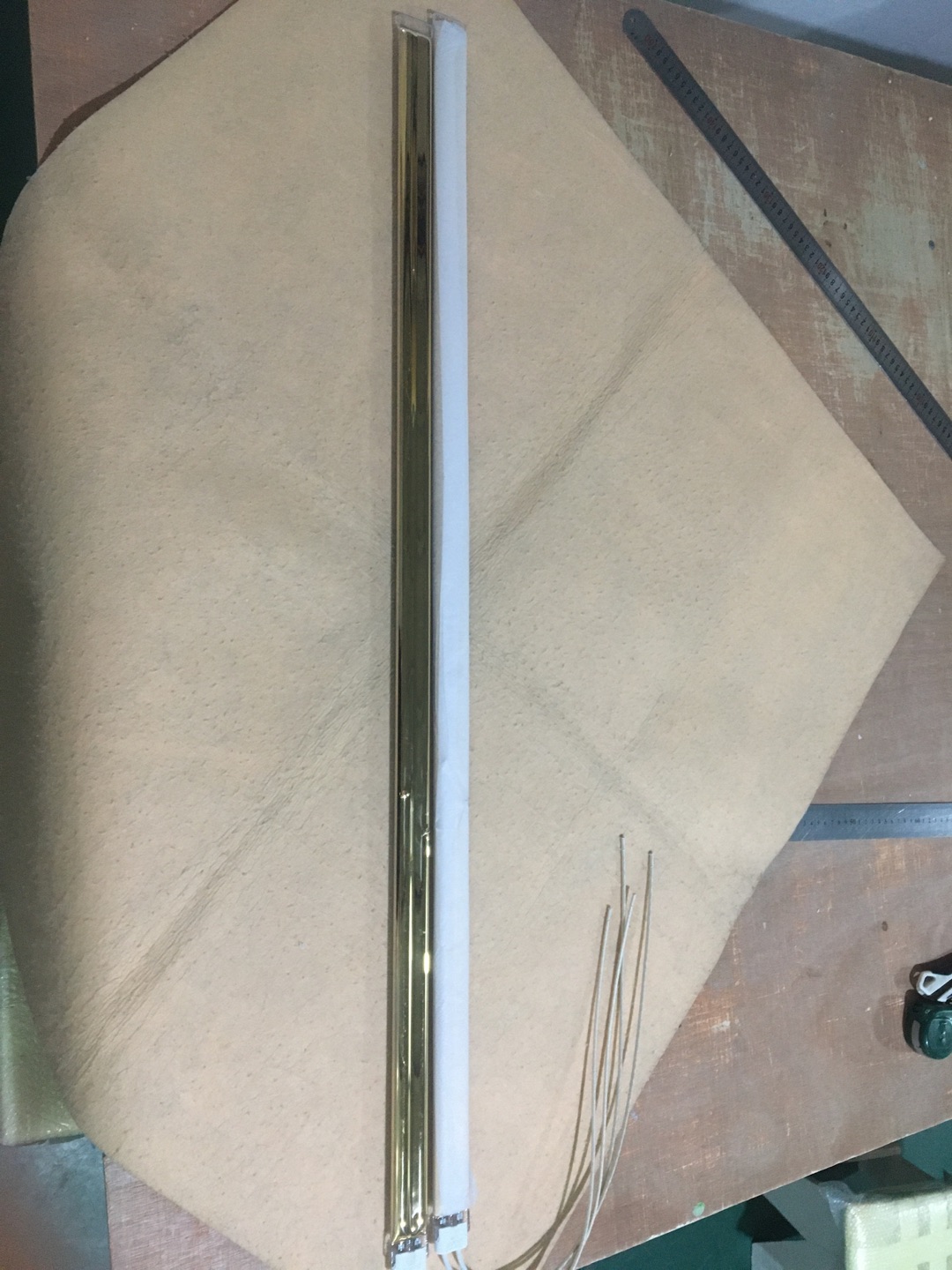
Most people are used to standard quartz heaters with tungsten filaments. But we do things a bit differently. We use carbon fiber. Why? Because it hits different. These 1000W units pump out high-intensity short-wave radiation that actually sinks into your materials instead of just sitting on the surface. It means your machinery stops idling and starts working much faster. The power side of things Putting 1000W into one lamp gives you a serious amount of heat in a small space. If you’re running an industrial circuit and need things to get hot now, this is your best bet. You’ll notice the temperature ramps up way quicker than it would with those old long-wave heaters. The best part? You can actually make your heating zone smaller. Just a heads-up: these pull a decent amount of current. Double-check your wiring and power supply. You don’t want to find out the hard way that your terminals can’t handle the load. How it’s actually built Inside the lamp, there’s a carbon fiber weave tucked inside a high-purity quartz tube. We use quartz because it basically lets the IR radiation fly right through without getting trapped. Depending on what you’re heating, we can even add specific coatings to the glass to tweak how the heat hits your target. The ends are capped with standard connectors to keep the electrical connection solid and the seal airtight. This is the critical part. If that seal leaks, oxygen gets in, the filament oxidizes, and—pop—there goes your lamp. Where this fits in your shop You’ve probably seen these in PET bottle blowing, plastic welding, or paint curing setups. They’re great for swapping out those clunky, aging halogen systems. The response is instant. No lag, no waiting around. But here’s the catch: carbon fiber is a bit more delicate than a heavy metal heater. It doesn’t love being shaken. If your machine vibrates a lot, don’t just bolt it in. Use some dampened mounting brackets so the quartz doesn’t crack under the pressure.