Getting Your Anatol Heat Just Right
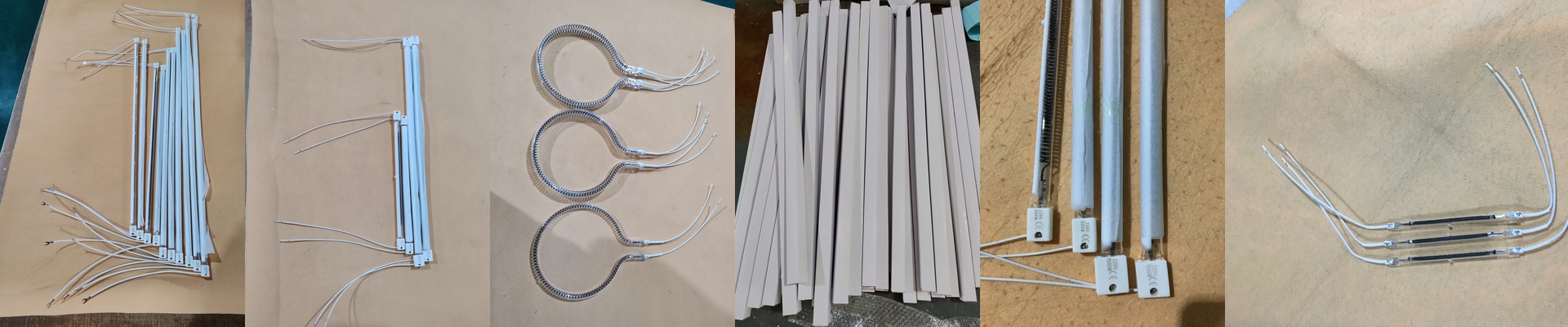
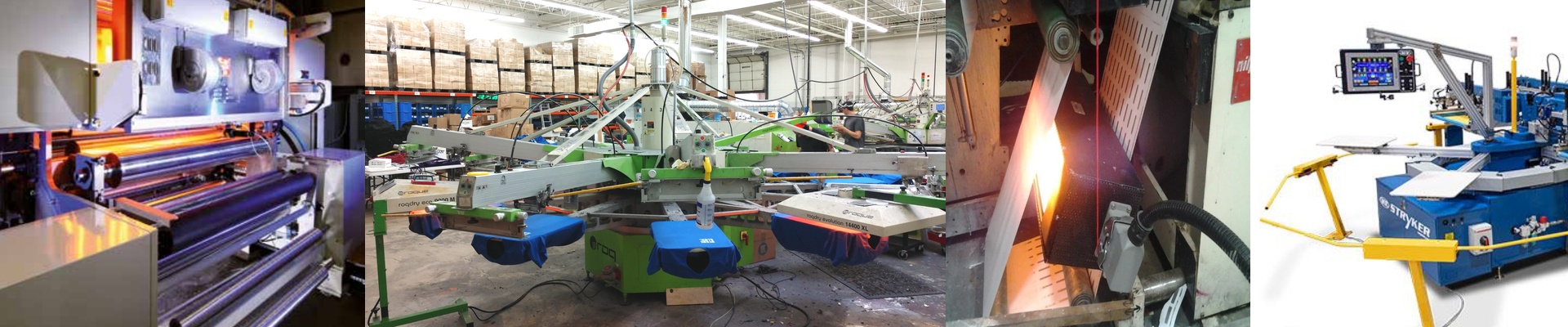
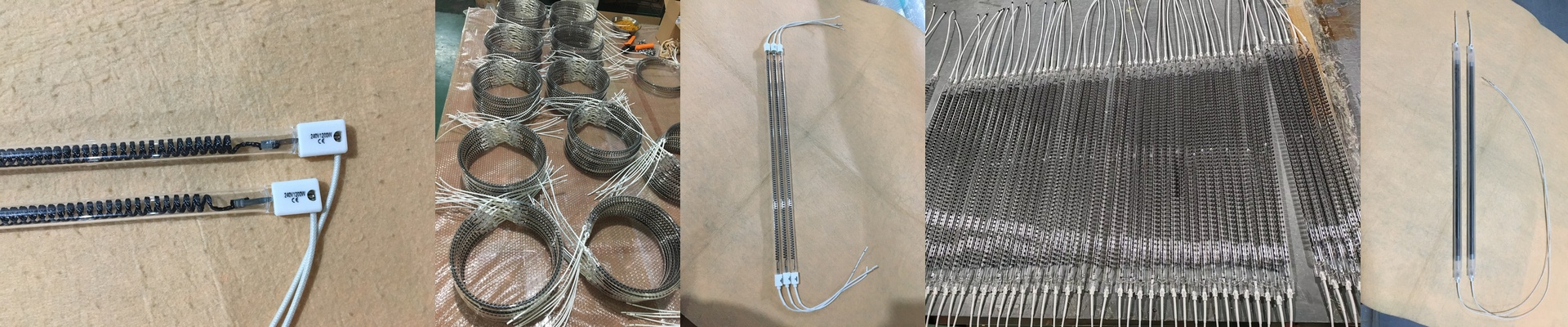
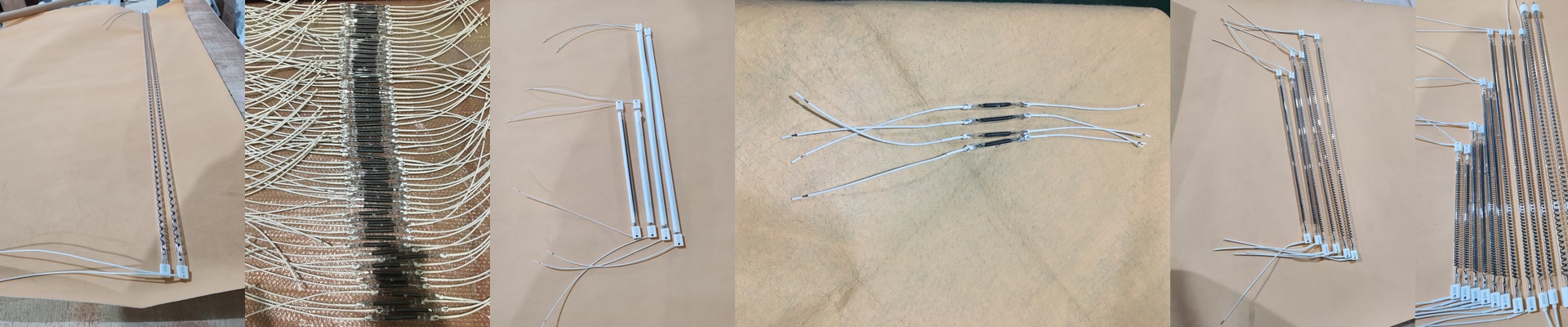
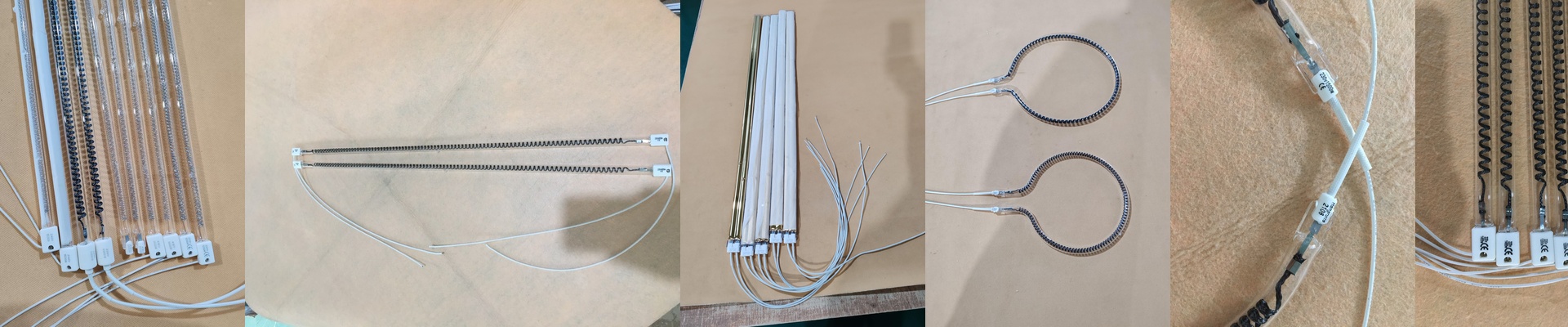
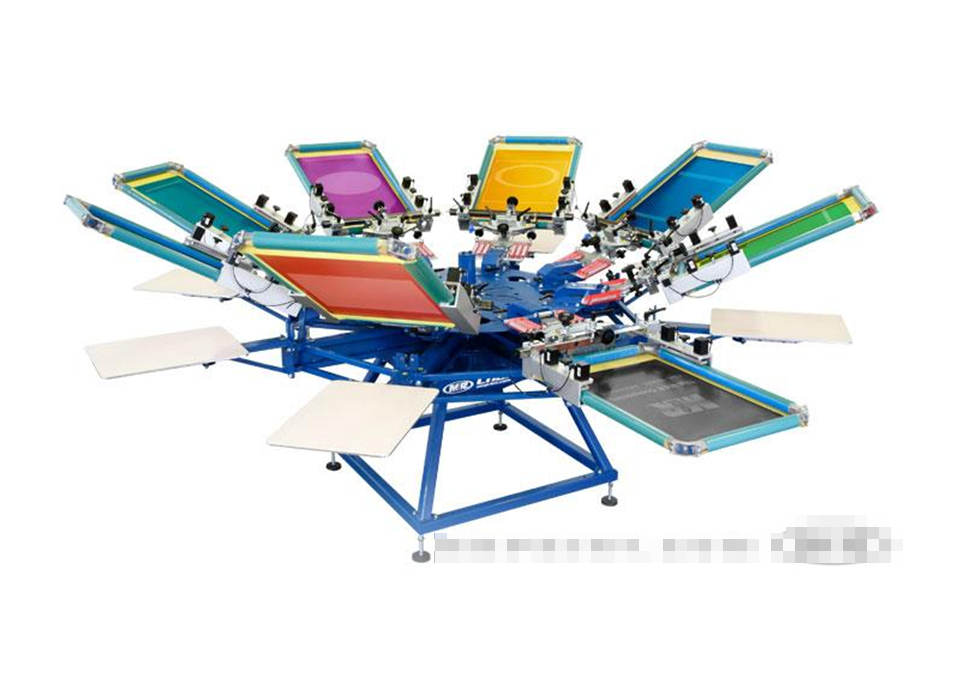
If you’re running Anatol printing machines, you know the drill: those infrared (IR) emitters are the heart of your flash-drying process. Now, a lot of people look at swapping out OEM lamps for domestic tubes to save some cash. But here’s the thing—it’s not just about the price tag. If the heat isn’t identical, you’re looking at a nightmare of under-cured ink or, even worse, scorched shirts. Nobody wants that. The secret is in the “watt density.” Think of it like this: if you put in a tube with the same wattage but a different length, you’ve just changed where the heat hits. It’s too concentrated or too spread out. We make sure our domestic tubes match your OEM’s voltage and wattage exactly. Why? Because it means your current draw stays the same. You can just plug them in and go. No messing around with your control boards or rewiring your shop. What’s actually inside the tube? We use high-purity quartz glass. It’s tough. It won’t warp when things get blistering hot. Inside, the tungsten filament is tuned for short-wave IR. This is key. Instead of just baking the surface of the fabric, the heat actually punches through the ink layer. If you’re working with a finicky ink that likes to bubble, let us know. We’ve got coated options that soften the heat blow. The real-world stuff These are designed to be drop-in replacements. They fit the footprints and connectors you already have in your Anatol frames. Easy. But I want to be honest with you about a trade-off. Domestic tubes sometimes run a bit hotter on the outside glass to get that same internal temperature you see in European brands. It’s a small difference, but it matters. Just keep a close eye on your conveyor speed and airflow. If you’re pushing the machine to the limit for long shifts, check the housing temperature every now and then. You don’t want the nearby plastic parts getting too toasted.