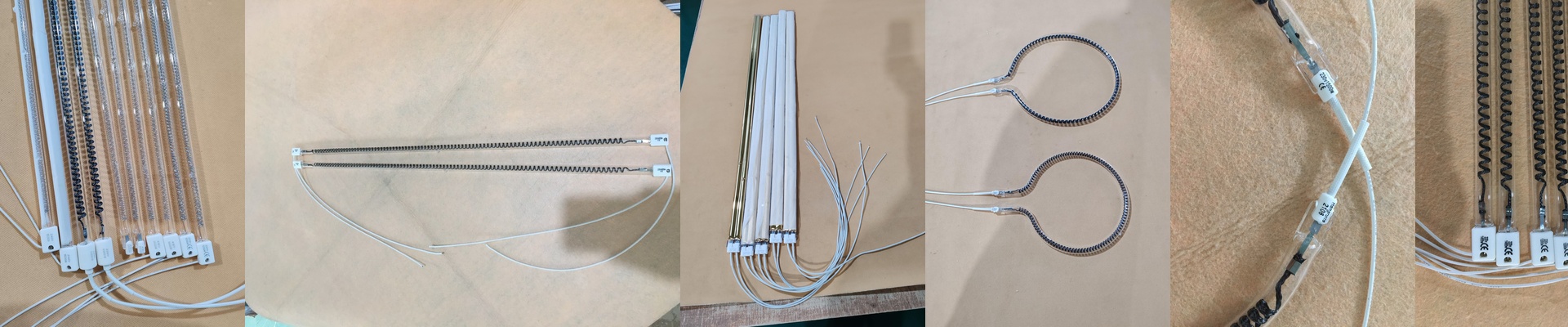
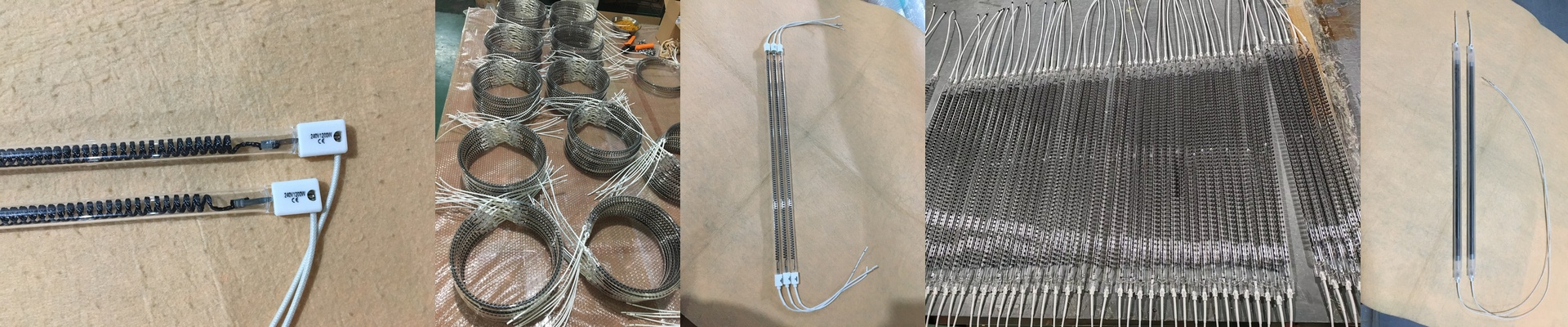
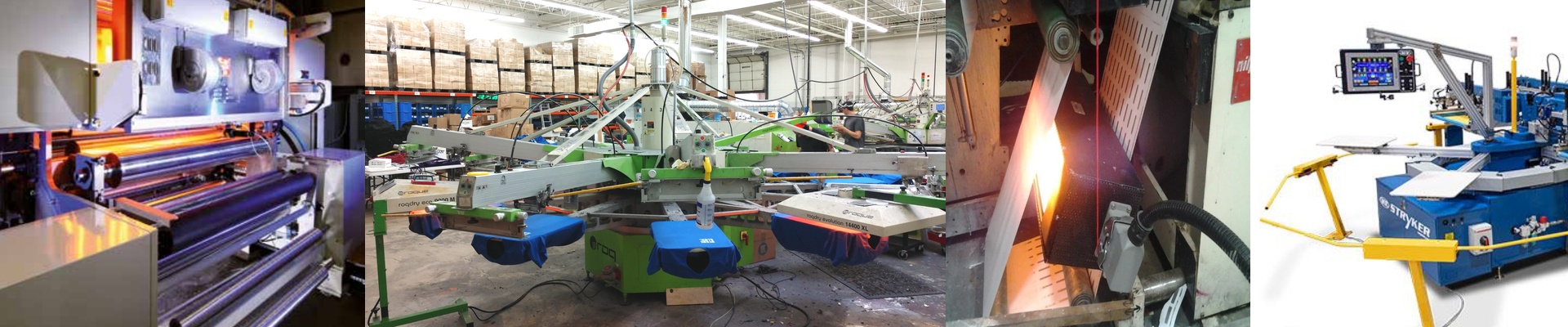
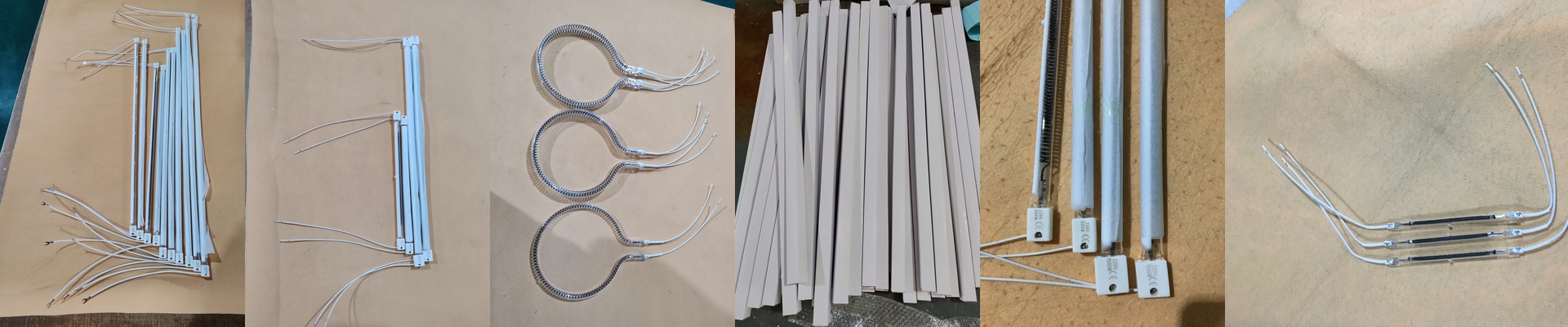
Getting Your Heat Right: IR Tubes for Anatol and EFI Reggiani ReNOIR
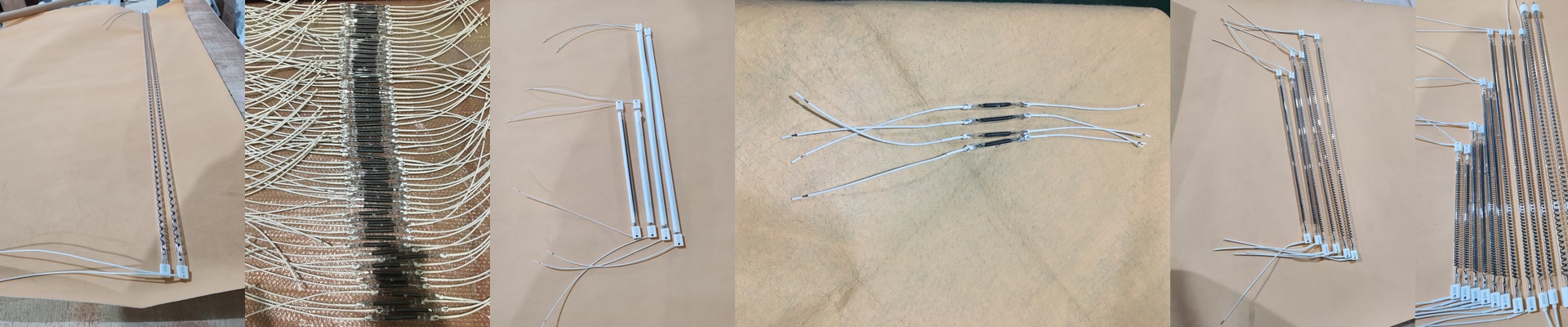
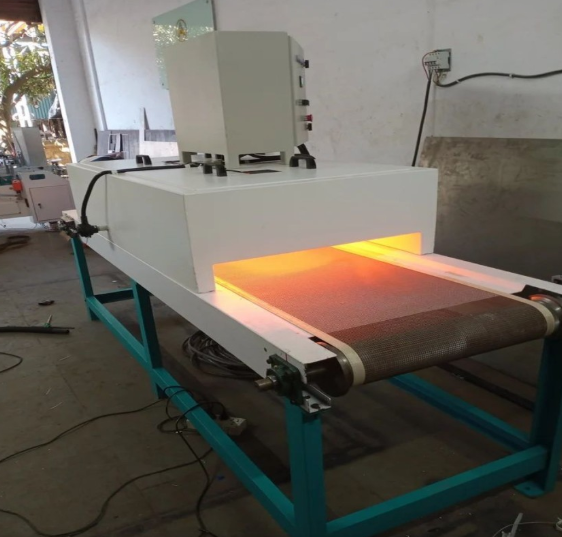
If you’re swapping out heating elements in an Anatol machine, you already know that just getting the length right isn’t enough. You can’t just plug in any tube and hope for the best. To get that same punch of heat you get with the EFI Reggiani ReNOIR series, the infrared light actually has to “talk” to your ink. If the wavelengths don’t match the ink’s absorption peak, you’re just wasting electricity. The secret is in the heat density. We build our domestic IR tubes to hit the exact wattage and voltage of the original ReNOIR heaters. But here’s the real trick: we focus on the tungsten filament. By winding it tighter, we can cram more heat into every single centimeter. Why does that matter? Because if you’re running a high-speed line, you can’t afford to wait. You need that tube to scream to operating temperature fast so you don’t have to slow down your belt just to get the ink to cure. The nitty-gritty on the build We use high-purity quartz glass. It’s tough. It doesn’t bow or warp when things get scorching, which is exactly what you want. Depending on your ink, we use a specific coating to nudge the wavelength toward the shortwave or medium-wave spectrum. And the best part? They’re drop-in replacements. They fit right into your Anatol sockets. No rewiring your cabinets, no messing with power supplies, no headaches. You just pop them in and get back to work. A quick reality check Now, a word of caution. High-wattage tubes are powerful, but they’re hard on your reflectors. If your reflectors are pitted or looking a bit oxidized, you’re throwing away 15-20% of your heat. It doesn’t matter how fancy the tube is; if the mirror is dirty, the heat isn’t hitting the substrate. Keep those reflectors clean. It’s a simple step, but it makes a massive difference. Switching to domestic tubes saves you a ton of money per unit without sacrificing your BTU output or your speed. Just keep an eye on your cooling fans. Make sure they can handle the heat buildup in the tunnel so you don’t keep tripping your thermal cut-offs.