Getting to know the MS JP7 Infrared Element
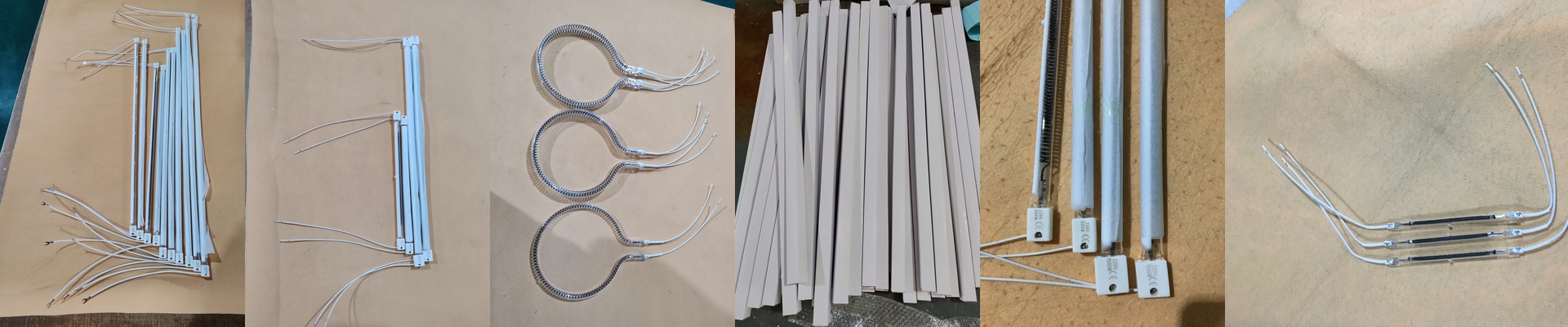
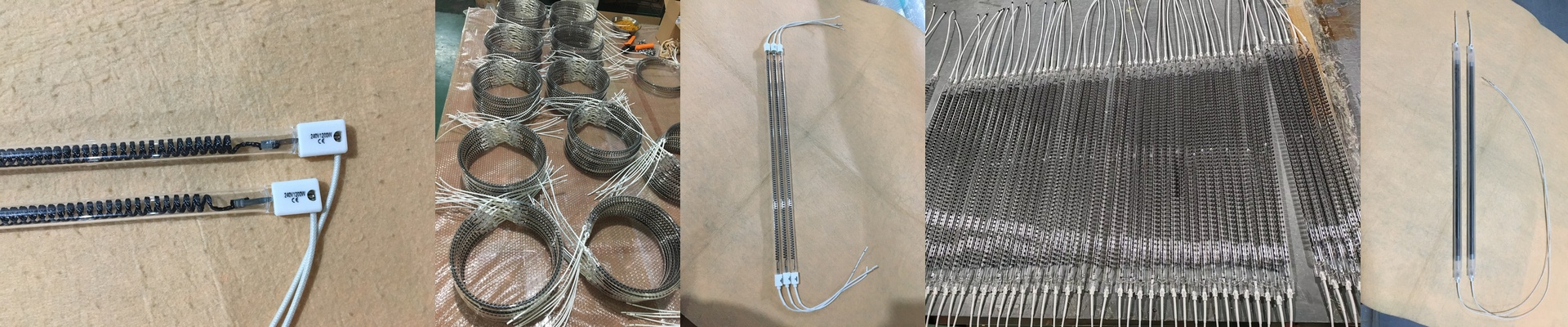
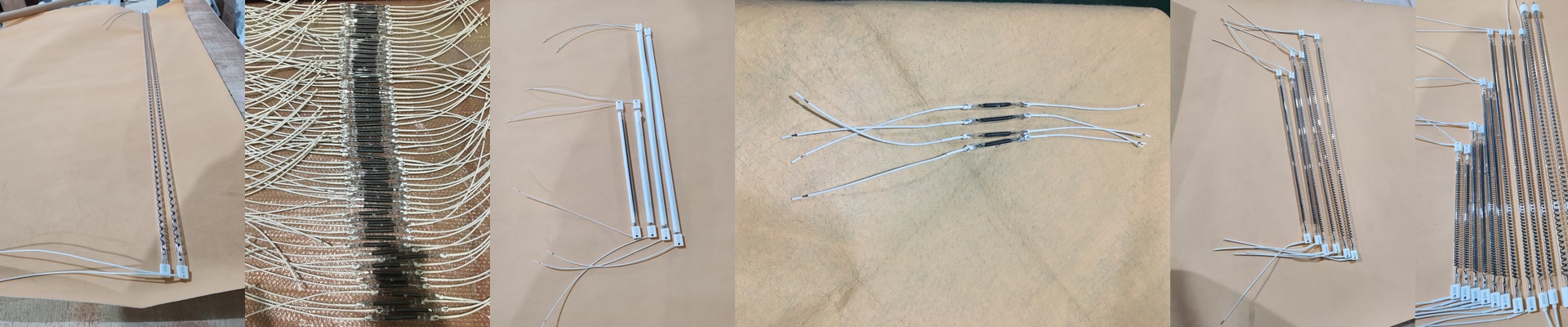
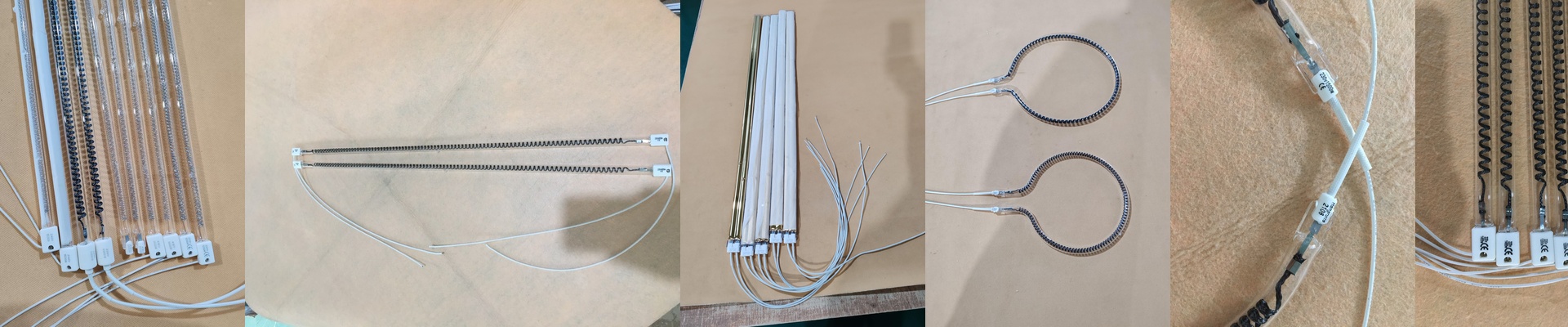
Let’s talk about the MS JP7. If you’re looking for a dryer element that can handle a heavy thermal load without breaking a sweat, this is it. We’ve designed these tubes to slide right into your existing setup, matching the electrical and thermal specs of the big global brands. It’s a simple swap. No headaches.
Heat, Power, and the “Sweet Spot”
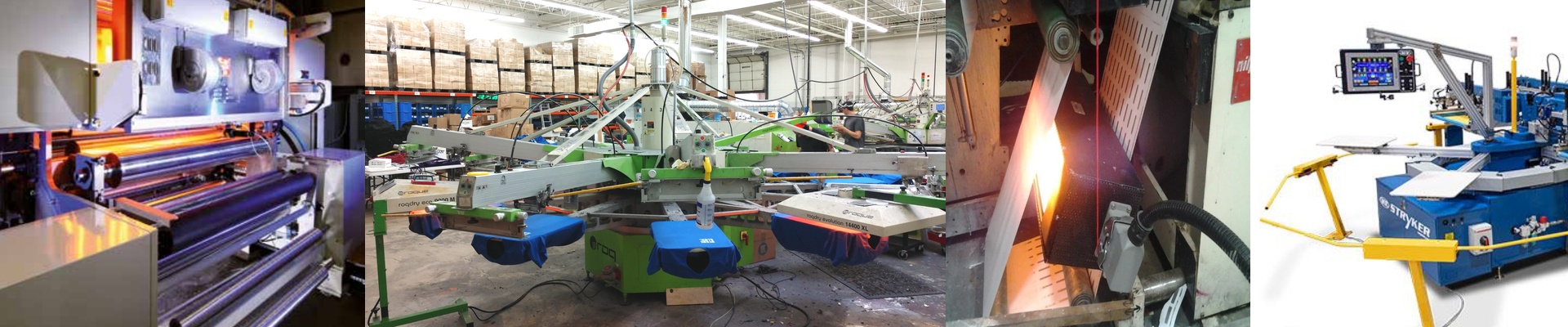
Here is the thing about the MS JP7: it’s all about the balance between wattage and voltage. When we’re building a tube for high-output drying, we lean heavily into the watt density. By packing more wattage into a shorter tube, we crank up the heat flux. That’s what actually makes the evaporation happen faster on your industrial lines. Just a heads-up, though. Make sure your wiring and power supply can actually handle that peak current. If they can’t, you’re looking at burnt-out terminals, and nobody wants to deal with that mid-shift.
What’s inside the tube?
We use high-purity quartz glass to protect the tungsten filament. We do this because quartz lets shortwave radiation pass through without soaking up the heat. But the real secret is in the seals. The MS JP7 uses specific end-cap seals to keep oxygen out of the halogen-filled chamber. Why? Because if a tiny bit of air leaks in, the filament oxidizes and—pop—your lamp is gone. To keep things steady, we use reinforced connectors so the element doesn’t wiggle or shift when your machines start vibrating.
Making it work in the real world
The MS JP7 puts out some intense heat. Because of that, your reflector alignment has to be spot on. If your reflector is dirty or warped, you’re basically throwing away a huge chunk of your infrared energy. Even worse, the tube can overheat. And since these things run hot, don’t skimp on your cooling fans. If the air around those end-caps gets too toastie, you risk melting your sockets or frying the wire insulation. My best advice? Keep a close eye on the quartz surface. Wipe away any soot buildup regularly to keep your output where it needs to be.