Getting Your M&R Flash Dryer Back in Action
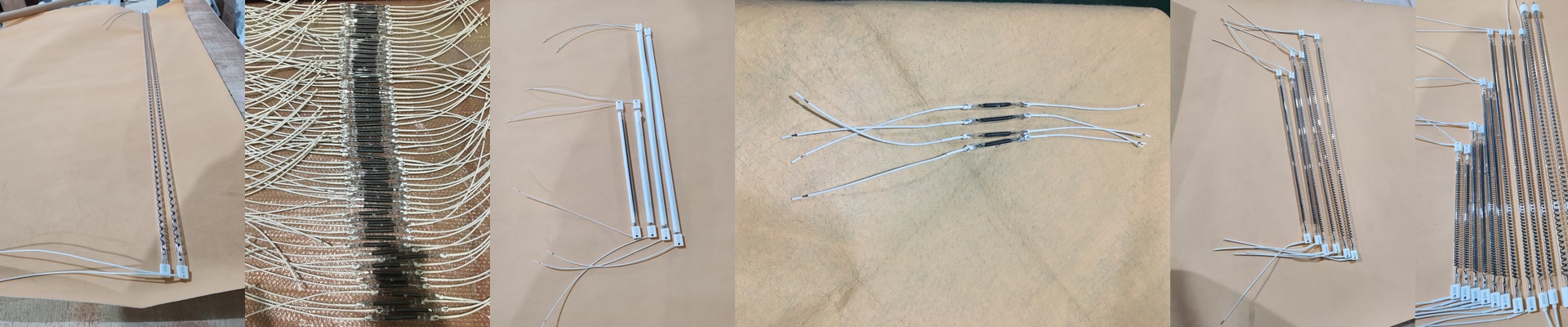
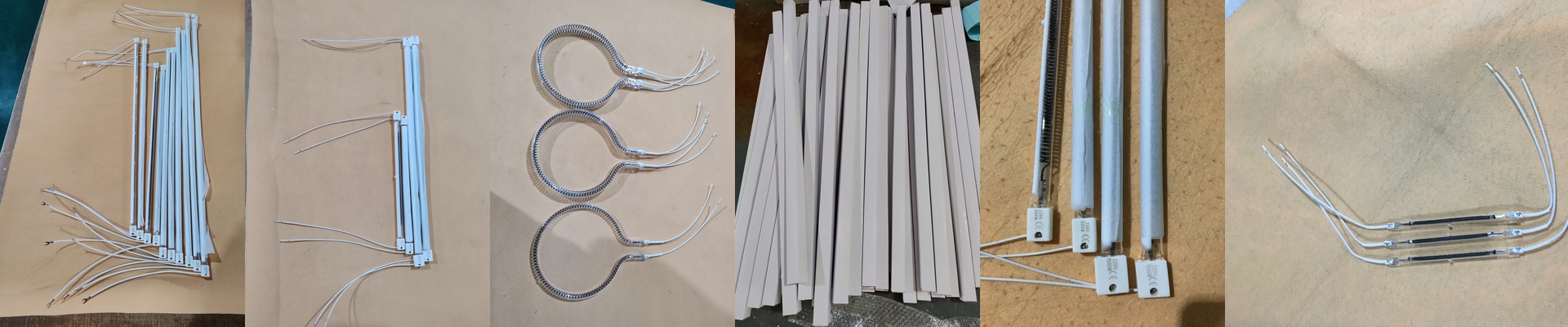
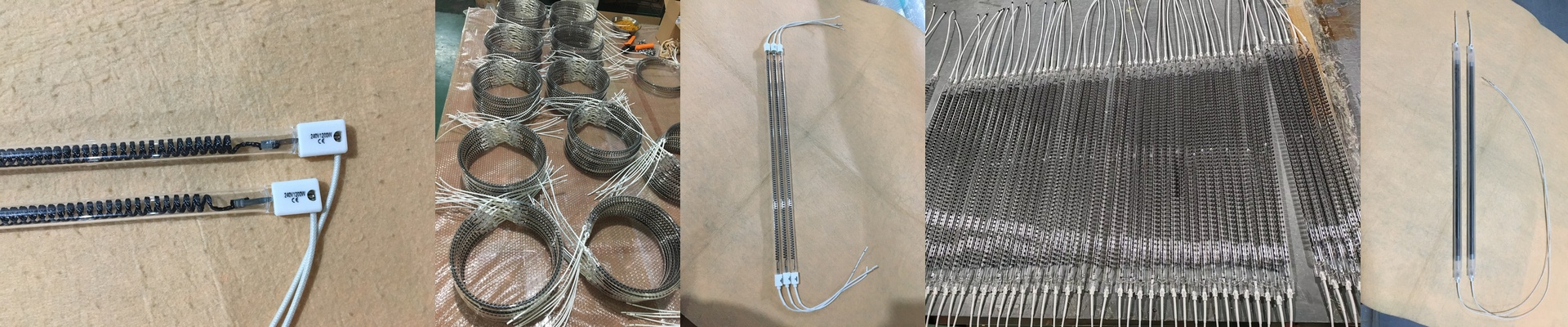
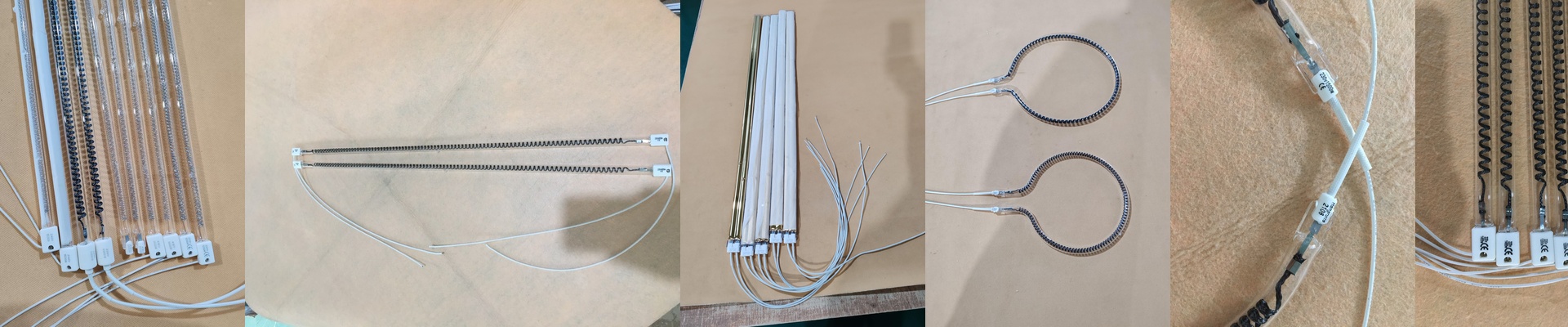
If you’ve ever dealt with an M&R flash dryer, you know the deal. These things live and die by their infrared (IR) output. You need that heat to hit hard and fast to cure your inks in a matter of seconds. But here’s the thing: when you’re looking for a replacement bulb, it’s not as simple as just grabbing something that says “240V” on the box. If the spectral output or heat density is off, you’re looking at a bad day—either you’re under-curing your prints or, even worse, scorching your shirts. The Balance of Power We build our 240V tubes with a very specific wattage-per-inch ratio. Why? Because a flash lamp has to hit its peak temperature almost the instant you trigger it. If you try to cram too much wattage into a tube that can’t handle the thermal load, you’ll fry the filament. It’s a quick way to waste money. We spend a lot of time calibrating the thickness of the tungsten filament so you get that raw heat you need without the bulb burning out way too soon. Quartz and Mirrors We use high-purity quartz glass for a reason. These bulbs go through a brutal cycle of heating up and cooling down every single time they fire. Standard glass would just shatter. Plus, we focus on a shortwave IR profile. Instead of just baking the surface of the ink, shortwave radiation actually digs deeper into the layer. It’s a more effective way to cure. But wait—don’t forget your reflectors. Even the most expensive bulb in the world is useless if your reflectors are pitted or oxidized. Think of it like a mirror; if the mirror is cloudy, the energy doesn’t bounce back onto the garment. Give them a look before you swap the bulb. Putting It All Together These are designed to be true drop-in replacements. You can wire them right into your existing M&R setup without having to mess around with the chassis or modify your gear. It’s straightforward. One quick tip: high-output IR lamps get incredibly hot. Like, really hot. If your cooling fans are clogged with lint or just plain dying, the socket housing can overheat. That makes your wiring brittle, and that’s where the real headaches start. Keep your airflow clear. Your electronics will thank you.