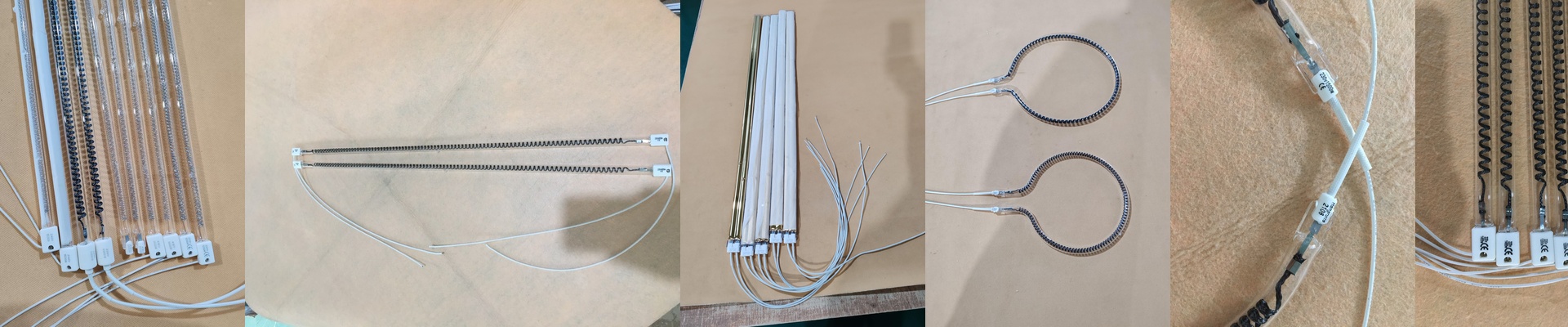
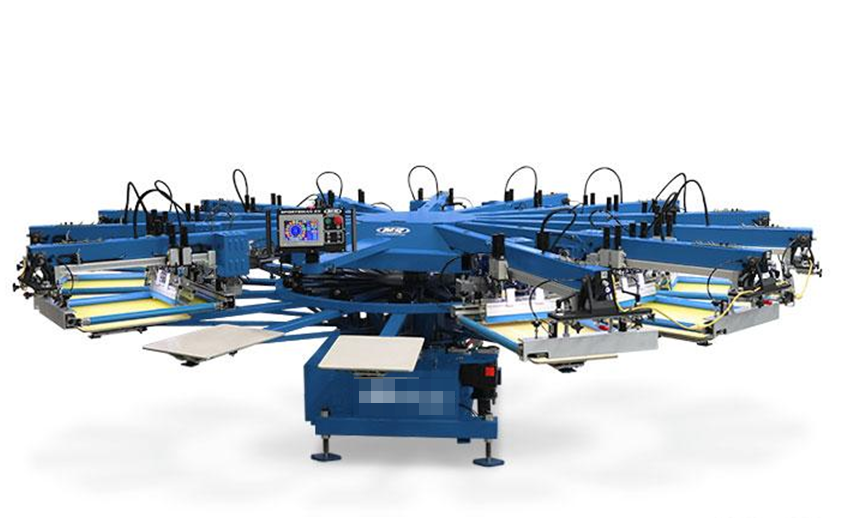
Getting Your KTK Heating Lamps Right the First Time
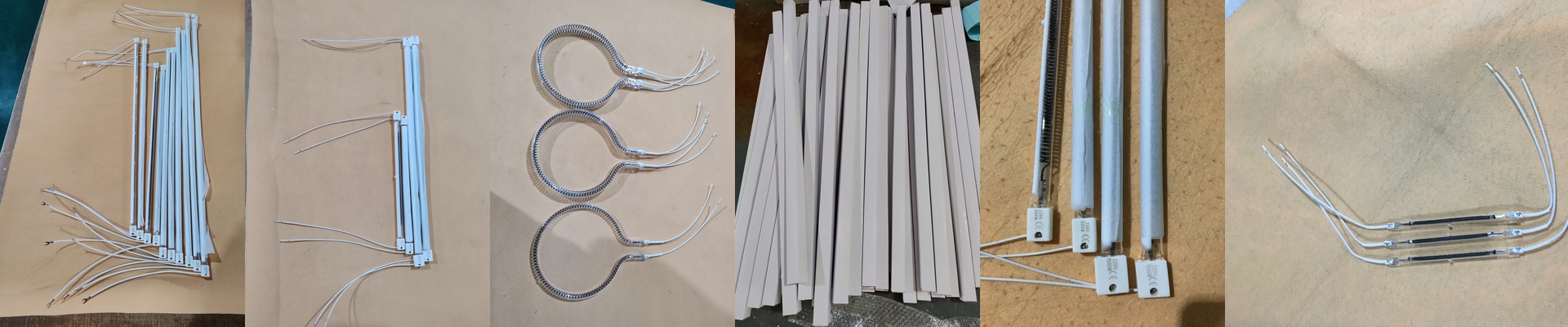
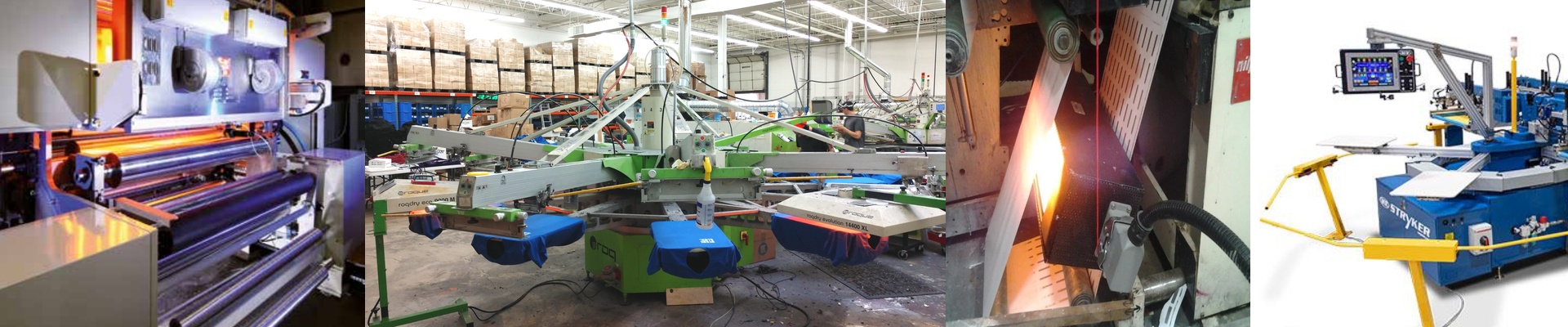
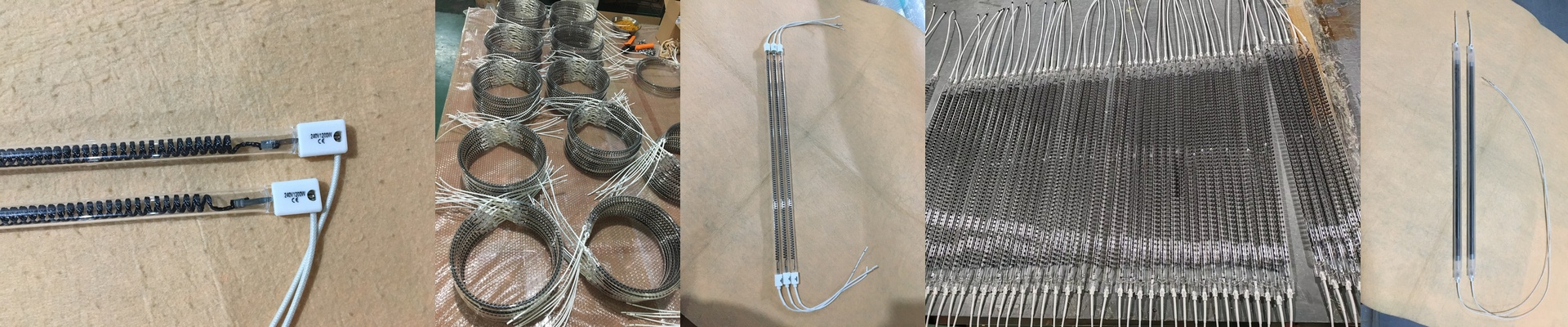
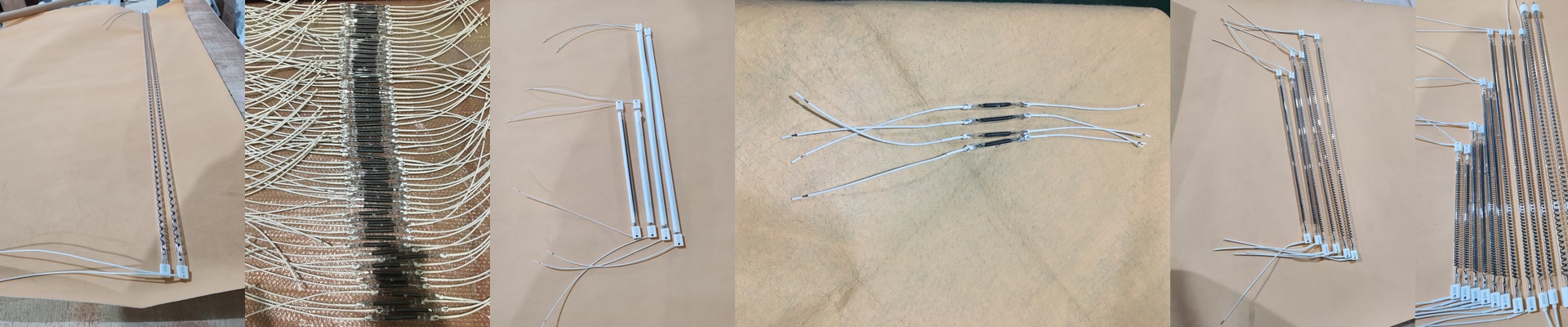
If you’re swapping out heating elements in a KTK elliptical printer, you already know that just matching the wattage isn’t enough. You don’t want to spend your afternoon hacking away at your machine just to make a new part fit. You want something you can just slide in and forget about. To get that “drop-in” fit, everything—from the electrical footprint to the heat output—has to be spot on. The electrical side of things We build our lamps to play nice with the KTK power supply. Here’s the thing: if the resistance is even slightly off, you’re headed for trouble. You’ll either end up with ink that isn’t cured properly or a filament that burns out way too fast. We also obsess over the length and diameter of the quartz tube. Why? Because if it rattles or shifts in the reflectors, you’re losing efficiency. We use shortwave infrared so the heat hits the substrate fast, curing the ink before your paper or film even has a chance to warp. Don’t skimp on the wiring Let’s talk about the wires. You’ll see “Teflon wire” in the specs, and believe me, that’s not just a fancy detail. These lamps live in a furnace. Standard PVC insulation will literally melt and short out in a matter of hours. We use PTFE (Teflon) because it can handle the constant heat cycles without breaking a sweat. And the connectors have to be tight. A loose fit leads to arcing, and that’s the fastest way to fry your lamp end-caps. A few real-world tips Getting a perfect 1:1 replacement makes the install a breeze, but the lamp is only half the battle. Take a look at your reflectors. If they’re pitted or look like they’ve oxidized, a brand new lamp won’t do much. The heat needs to bounce back onto the print to actually work. Give your housing a good clean and you’ll see a huge difference. Also, check your cooling fans. If they’re clogged with dust, heat builds up at the ends of the lamp. That’s usually when the quartz cracks. Keep it cool, and your lamps will last a lot longer.