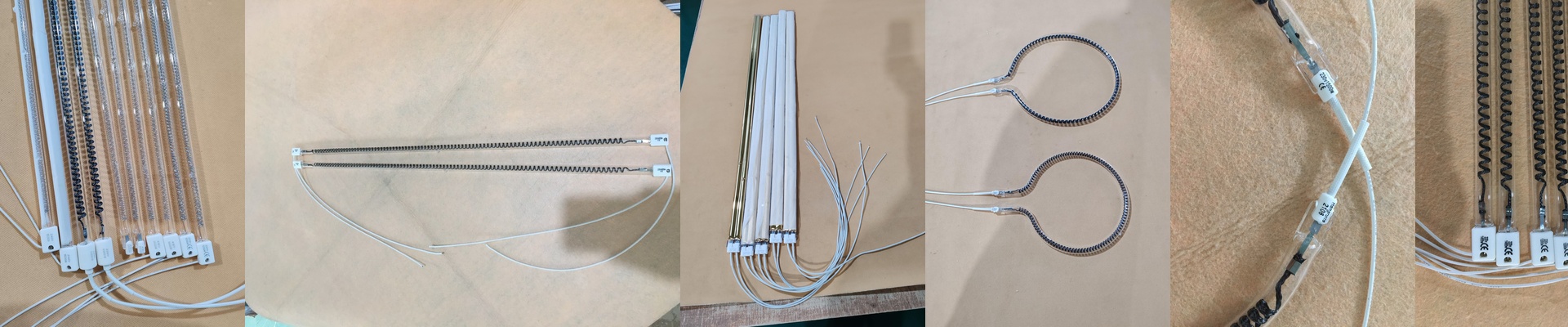
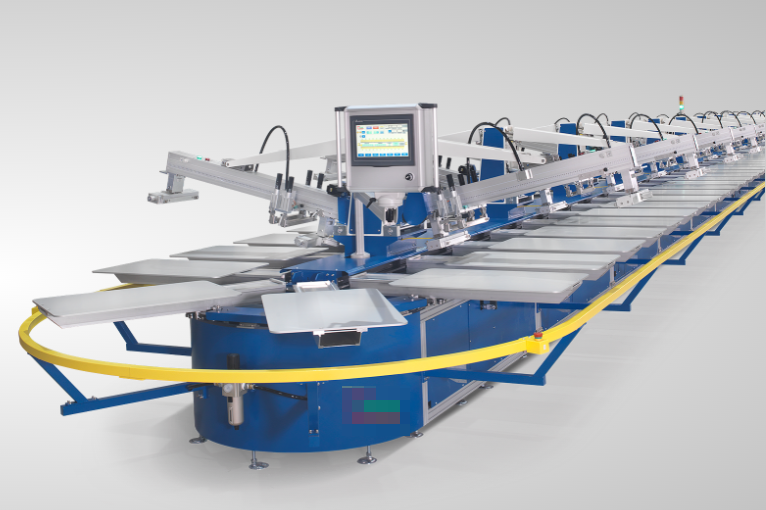
A Better Way to Handle Your Heidelberg and M&R Heaters
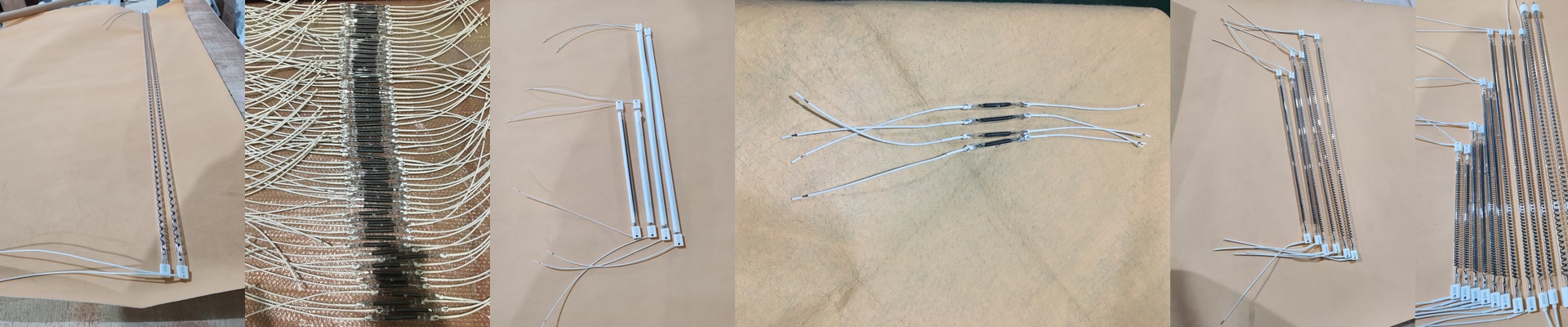
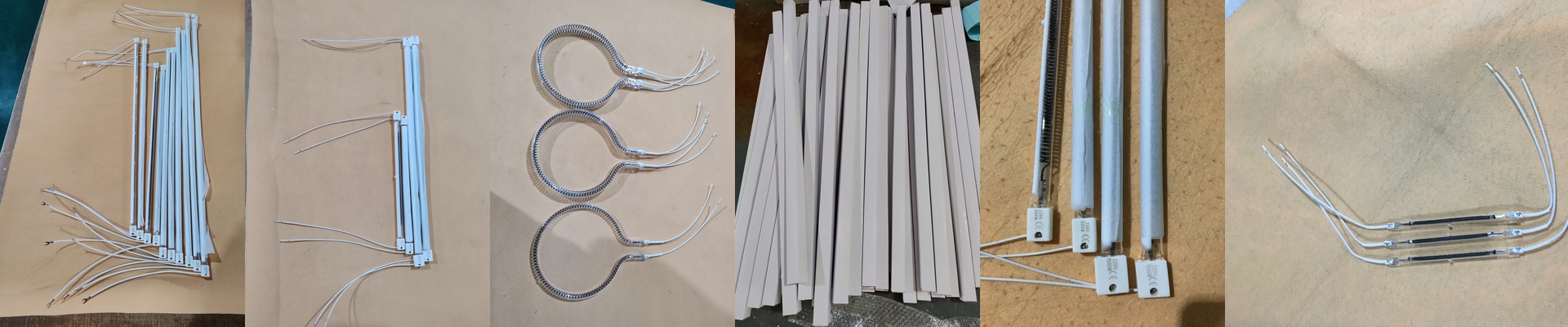
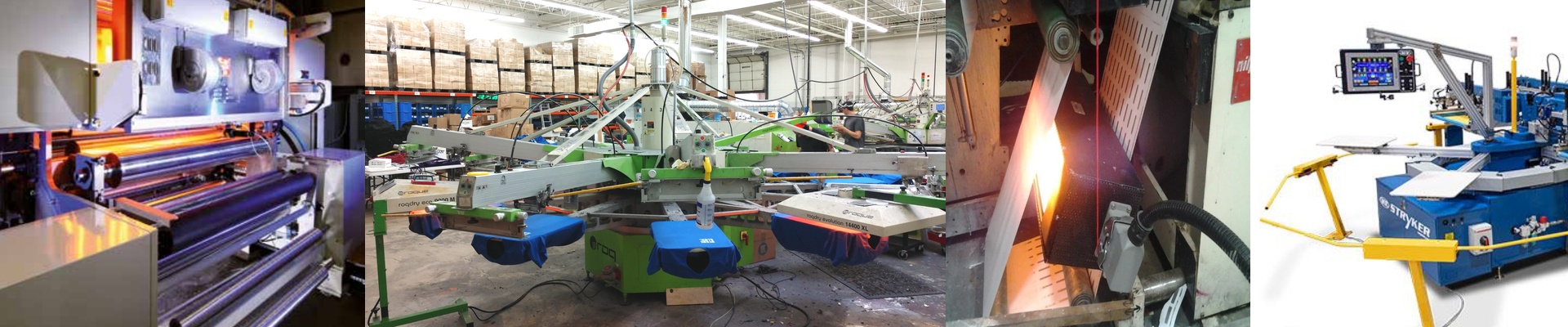
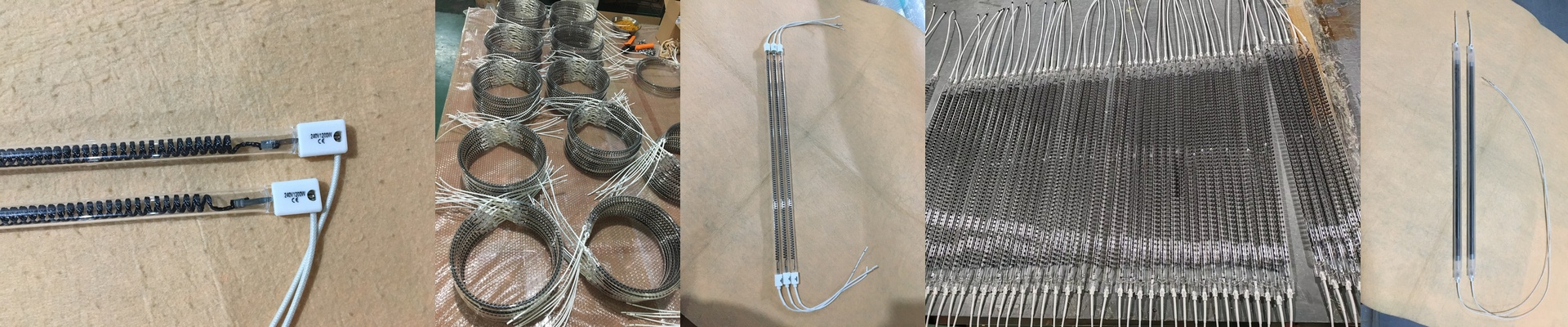
Let’s be honest: nobody likes spending a fortune on OEM replacement lamps just to keep the line moving. We’ve all been there. That’s why we built these twin tube quartz heaters. They’re designed to slide right into your M&R flash curing systems or Heidelberg presses without any fuss. The goal is simple. You need that high-intensity shortwave IR to set your inks fast, but you can’t afford to fry your substrate. The secret is in the “Twin Tube” setup. By putting two filaments inside one quartz envelope, we’ve doubled the surface area. This is a big deal. It means we can crank up the wattage without the tungsten filament hitting its melting point. The result? The heat spreads across your conveyor belt much more evenly. If you run them at high voltage, they heat up incredibly fast. Just a heads-up: higher power density puts more stress on your wiring and contactors. Just double-check that your electrical setup can handle that initial peak draw when you flip the switch. About the glass and the gas… We use high-purity fused quartz because it lets the IR light through without blocking it. Inside, there’s a halogen gas cycle. It basically catches the tungsten as it evaporates and puts it back onto the wire. It’s a clever little loop that keeps the lamp from burning out too early. Plus, we made sure the dimensions are a dead match for M&R. You won’t have to mess around with your reflectors or modify your heater bank. It just fits. Less downtime, more printing. Replacing those big-name brand lamps usually feels like a rip-off. Our tubes give you the same heat and spectral output, but they won’t break the bank. You can use your standard connectors and get back to work. Here’s the real world problem: these things get hot. Like, really hot. Usually, the seal between the quartz and the end-cap is the first thing to go because of all that expanding and contracting. We reinforced those seals specifically to handle that stress. It means your maintenance crew spends less time swapping out dead tubes and more time actually running production. That’s how it should be.