Let’s Talk About Your Inkjet Dryer Lamps
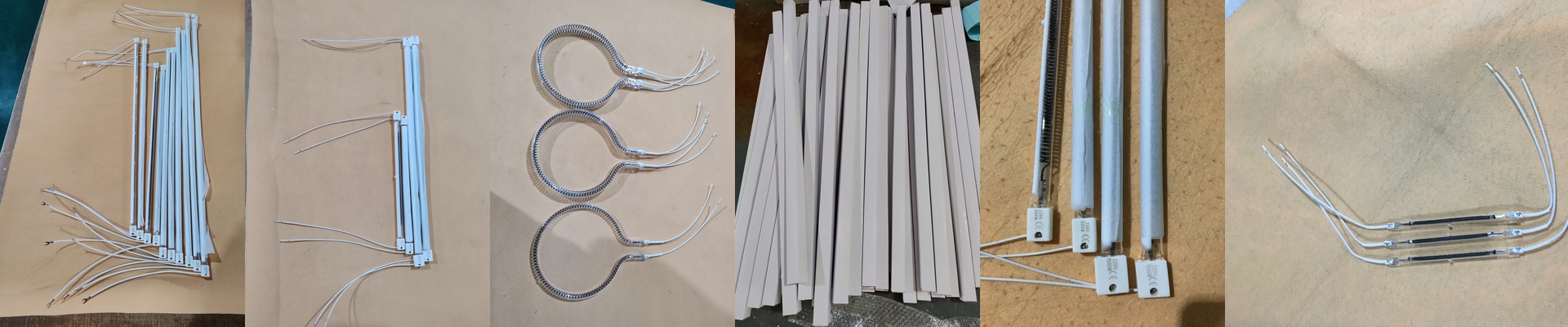
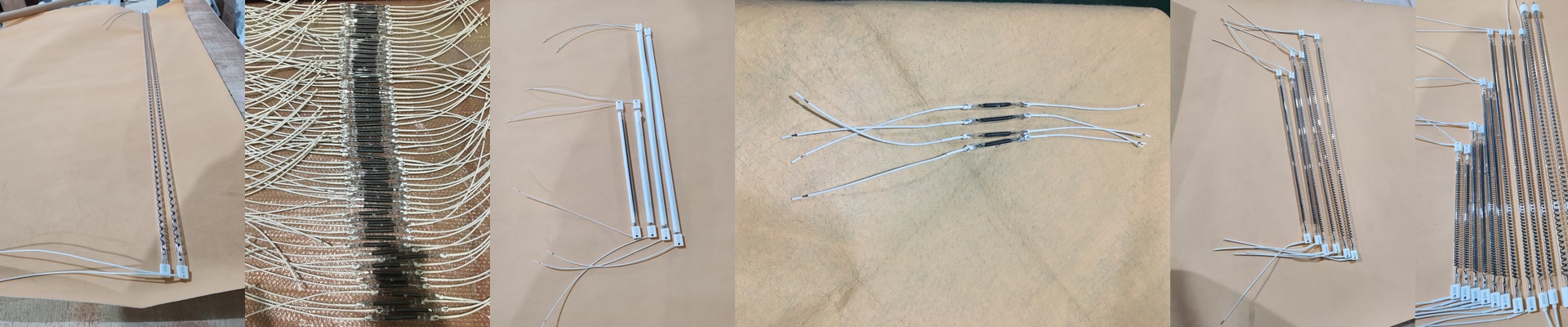
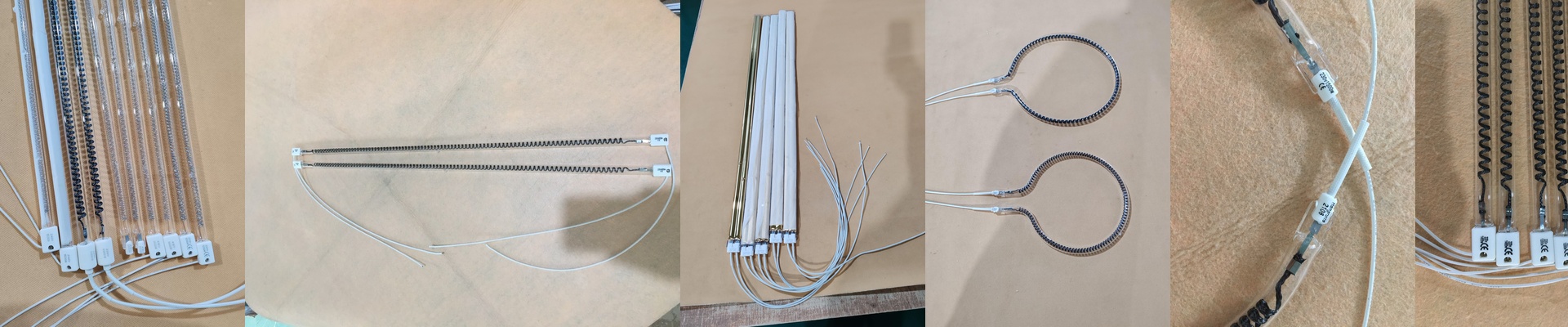
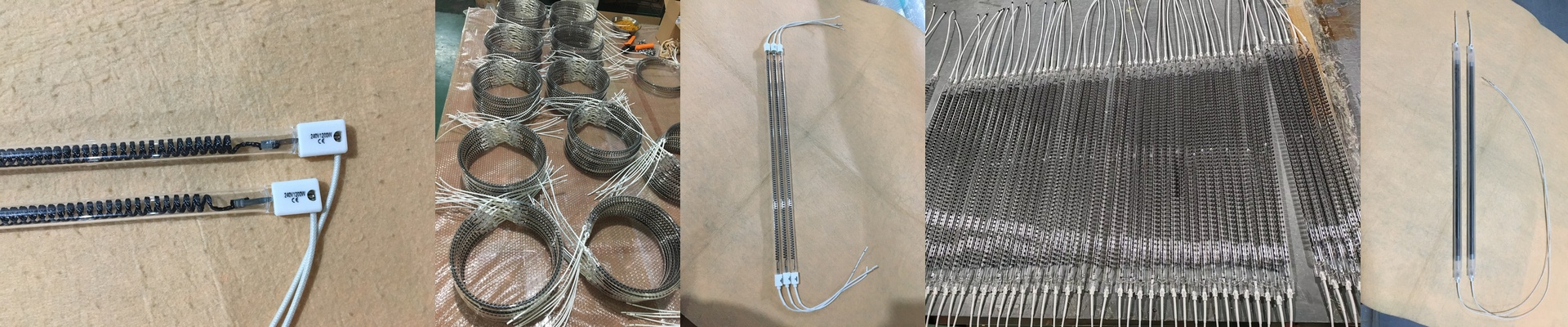
If you’re running an inkjet line, you know the drill. You need a massive burst of heat to flash-dry that ink instantly, but if you overdo it, you’ll scorch your materials. That’s where those quartz halogen lamps come in. They aren’t your average light bulbs. Think of them as high-powered heating elements that can ramp up the temperature in a heartbeat. The truth about the spec sheet When you’re looking at voltage and wattage, you’re really just looking at heat density. Whether it’s 230V or 400V, it’s all about how much energy is being shoved into that quartz tube every centimeter. More wattage in a smaller space means the ink dries faster. Simple as that. Here’s a little secret: a lot of shops spend way too much on “original” bulbs. But the physics of heat radiation don’t care about a logo. If the tungsten filament grade and the quartz purity are the same, the lamp performs the same. You’re often just paying for the brand name. What actually matters under the hood We use high-purity quartz glass because it can handle the brutal thermal shock without cracking. Some of these lamps even have a special coating. It’s a clever trick to push the heat toward the ink and keep it away from the machine frame. Then there are the connectors—usually R7s or SK15. This is where things usually go wrong. If the fit isn’t snug, you get arcing. That’s the spark you don’t want, because it’ll eat your socket alive. That’s why we make our lamps as direct replacements. The dimensions match the OEM footprint exactly. You slide it in, wire it up, and you’re back in business. The balancing act: Speed vs. Lifespan High-output lamps live hard and die young. If you push a lamp to its absolute limit to hit a crazy production deadline, it’ll dry the ink faster, but the filament is going to burn out sooner. It’s a trade-off. Also, keep an eye on your cooling fans. If they can’t keep up with that extra heat, you might end up warping your reflector. At the end of the day, stop overpaying for a fancy label. Just look at the specs. Get the right quartz, the right tungsten, and your line will keep moving.