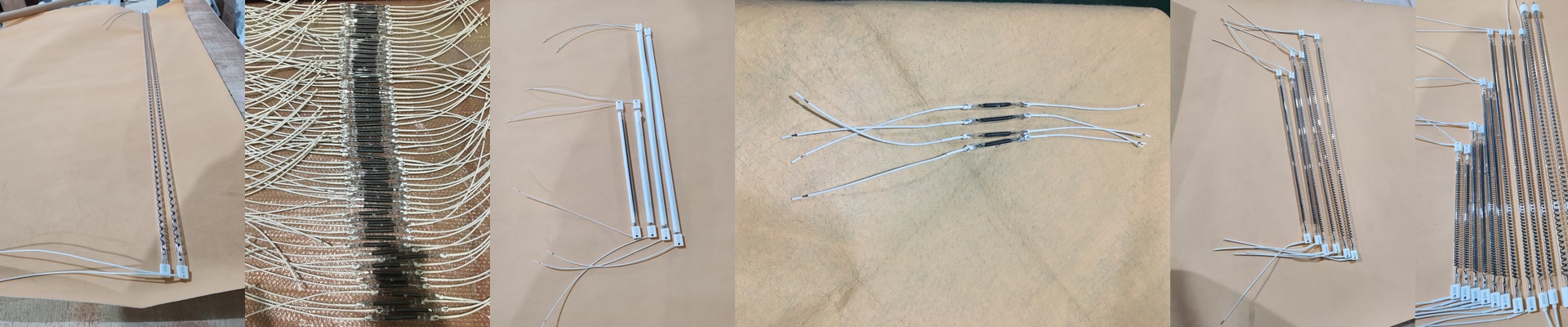

Getting Your Sulfet Rotary Line Curing Just Right
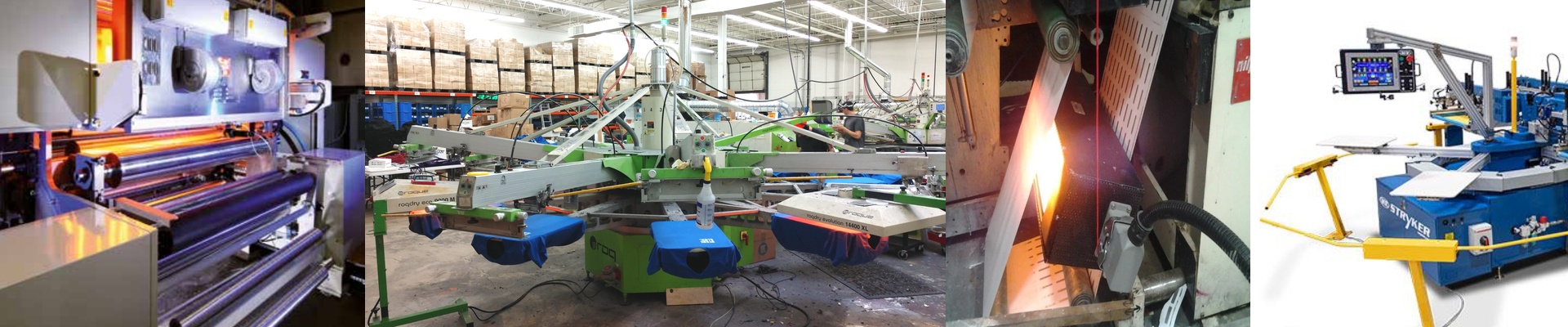
If you’ve ever run a rotary screen printing line, you know the stress. You need your curing system to hit that sweet spot—exact temperatures, zero lag. When it comes to spare parts for Sulfet machines, please, don’t just grab a generic IR lamp. It’s tempting, but it usually ends in a disaster. You need a replacement that fits perfectly and matches the original wattage and focal length. Otherwise, you’re looking at a nightmare of uneven drying or, even worse, scorched fabric.
The Power Side of Things
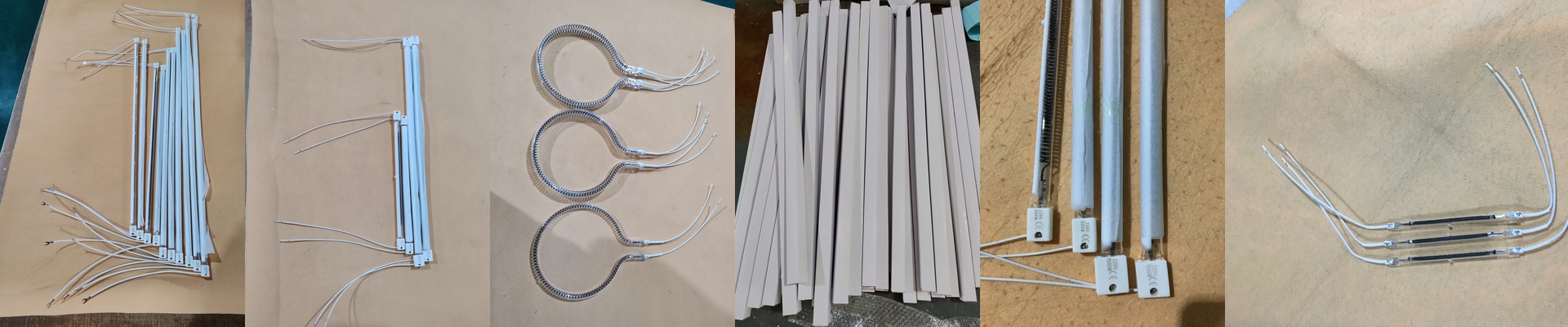
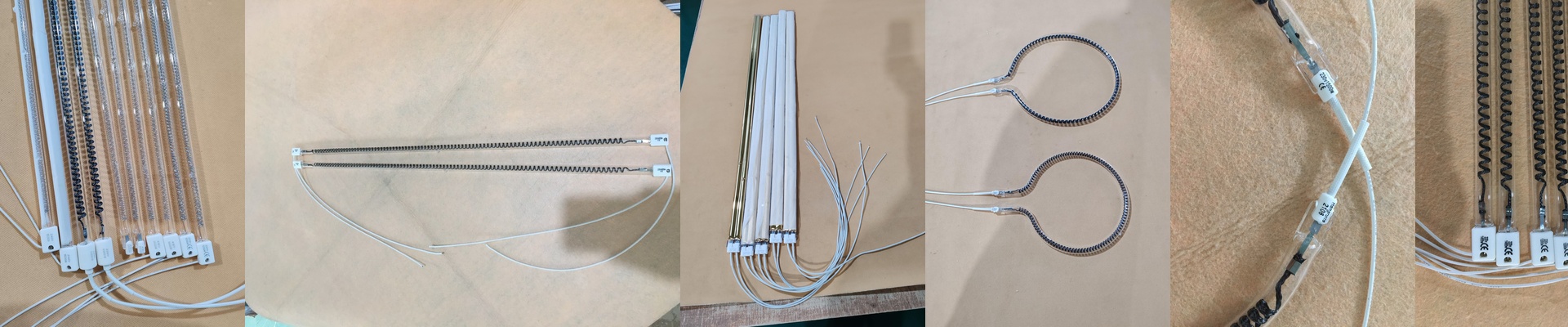
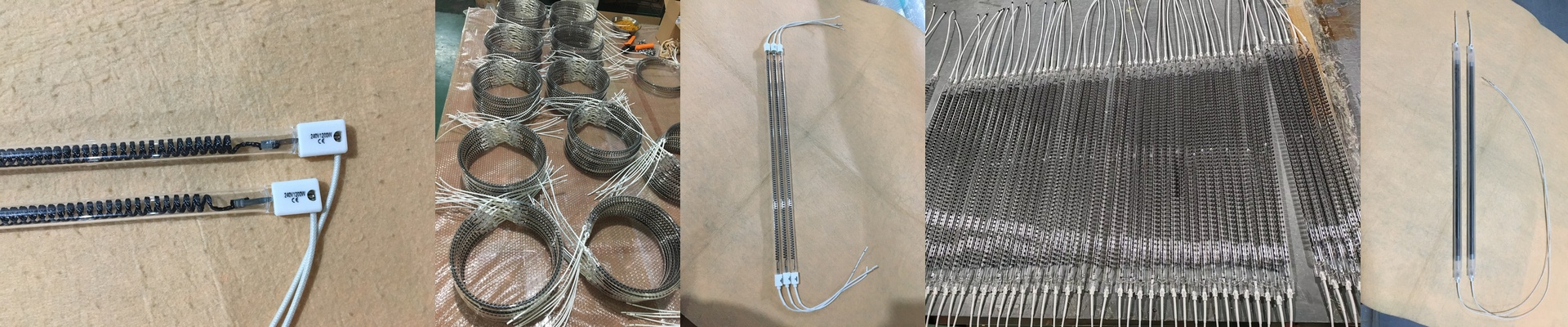
We build these IR elements to keep up with the chaos of high-volume textile printing. Depending on which Sulfet model you’re running, these lamps are pumped with high wattage so the ink sets the second the fabric hits the heat. Here is the catch: if you try to squeeze too much wattage into a shorter tube, you’ll get a massive heat flux, but you’ll also kill your quartz envelope much faster. Plus, double-check your wiring. If your power supply can’t handle the draw, your terminals are going to fry.
Why the Glass Matters
We use high-purity quartz because we want that short-wave radiation to punch right through the ink layer. We also made these easy to swap. No custom fabrication, no headaches. Just standard industrial connectors so you can plug them in and get the line moving again. We’re obsessive about centering the internal filament, too. If that filament sags even a little, you get hot spots. And hot spots ruin print runs.
The Trade-off
These lamps put out an incredible amount of heat, but they aren’t “set it and forget it.” Because the radiation is so intense, your reflectors have to be spotless. Seriously. A little bit of dust or a few ink splatters can tank your efficiency by 20% or more. The secret to keeping your drying consistent across the whole web? A strict cleaning schedule. Keep the housing clean, and the lamps will do their job.