Introduction
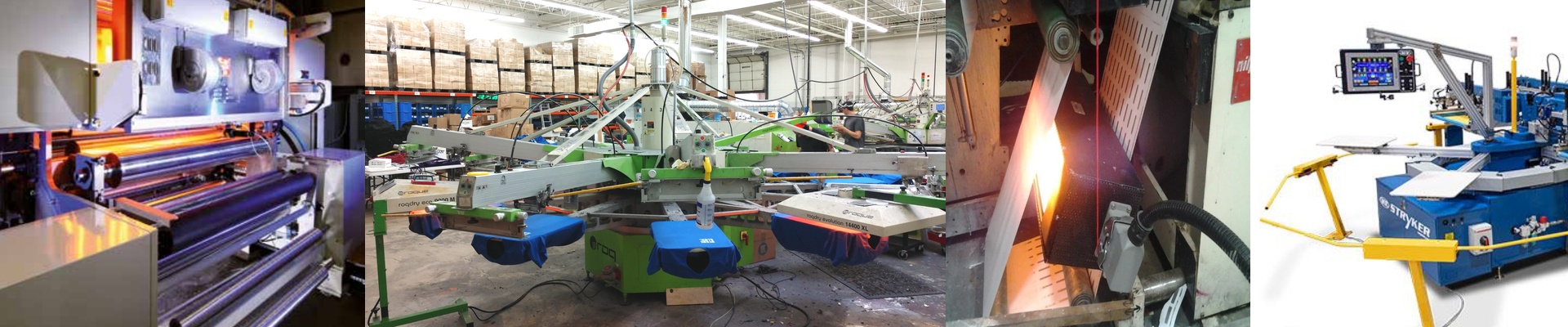
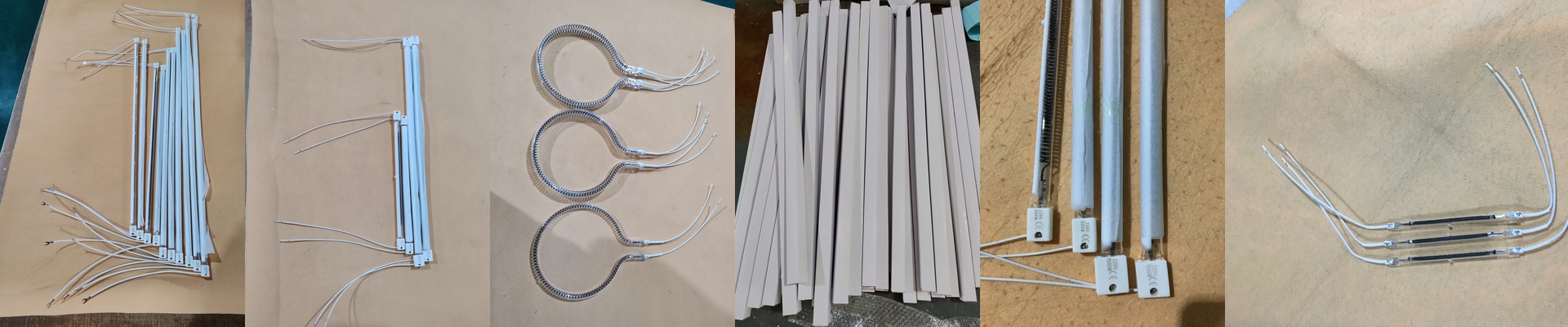
Swapping out a Heidelberg IR lamp in your Adelco drying channel isn’t just a simple part replacement. It’s more like giving your heating setup a tune-up from the inside out. We built this replacement as a straight-in infrared upgrade for those long tunnel furnaces, where keeping a steady, even temperature across the whole conveyor is absolutely key.
Getting Into the Details
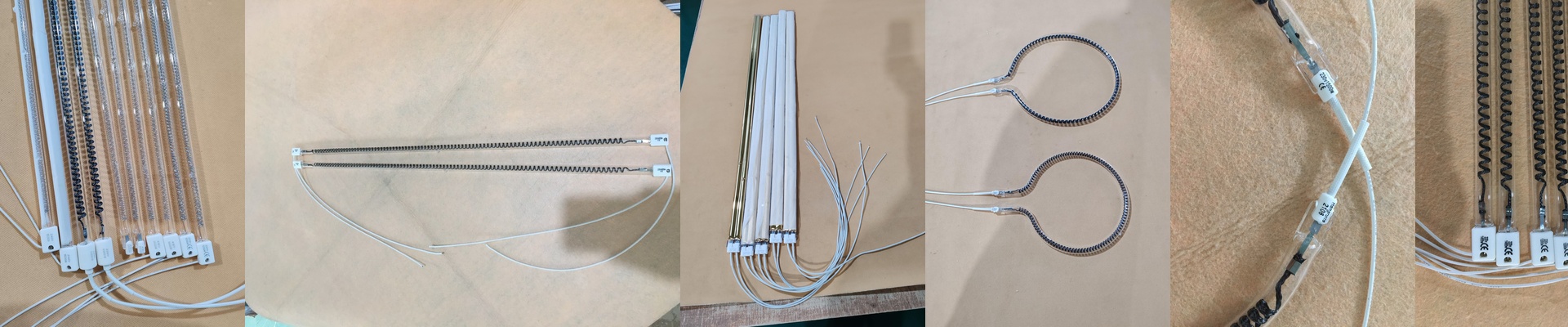
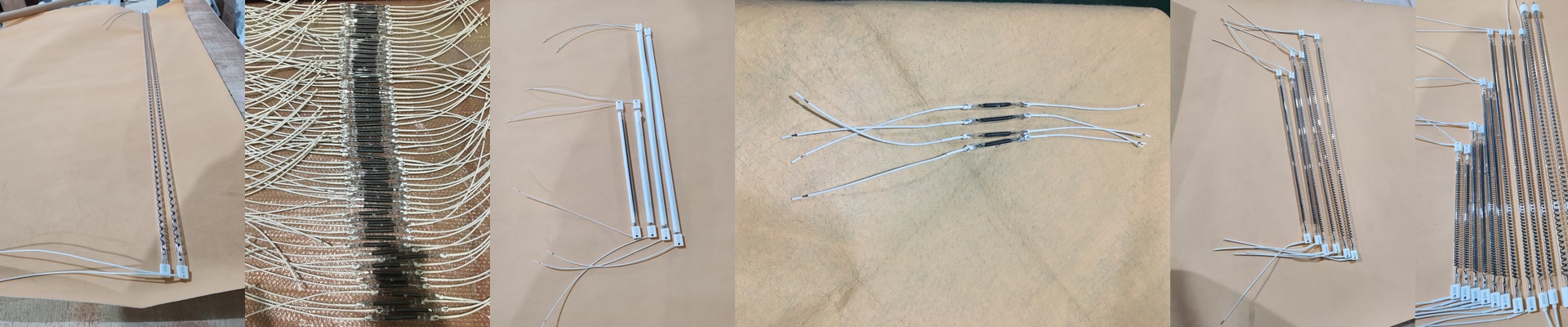
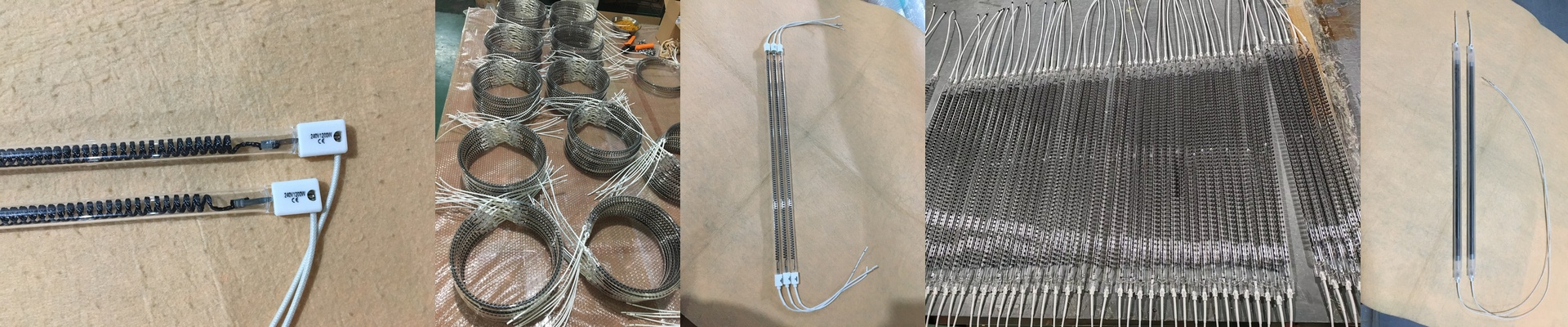
Here’s the thing with the Adelco-compatible IR lamps for tunnel ovens: they’re designed around a very specific power and shape. The 2500W rating hits just the right heat level to keep the process temperature steady, even on those long runs, without needing a bigger machine to make it happen. And the 400V electrical spec? That means less current draw than the lower-voltage options. So you can use smaller wiring and it makes the whole hookup in your existing cabinet a lot simpler. The 300mm tube length is intentional, too. It focuses the infrared heat into a tight zone, so you can line up a bunch of them down the tunnel. The result? Even heating with no hot or cold patches.
What It’s Made Of
The heart of this lamp is the halogen IR element inside the quartz tube. That’s why it can handle the rough and tumble of the shop floor. The halogen chemistry keeps the filament steady, even when things get seriously hot, which means the output stays consistent over time. That reflective coating on the outside isn’t just for looks. It pushes more energy forward, so you get more heat where you need it and less wasted heat warming up the machine itself. And the R7s connector? It’s a no-fuss, proven connection. It handles the current, lines up perfectly, and makes the whole thing a true plug-and-play swap.
Real-World Use and What It Means for You
In Adelco drying channels and long tunnel furnaces, the tricky part is keeping the heat stable when your production speed changes. This IR lamp setup responds quickly and gives you repeatable temperature control, so you can keep up with the line without constantly chasing temperature swings. Installation is straightforward. Swap the lamp, wire it up, and tweak the zones. Just keep one thing in mind: that high power density that makes the heating so effective also means the lamp holders need proper cooling and airflow. If the area around the lamp gets too hot, the output starts to drift. So, make sure you plan for the right cooling setup from the start.