Getting Your Anatol Drying Just Right
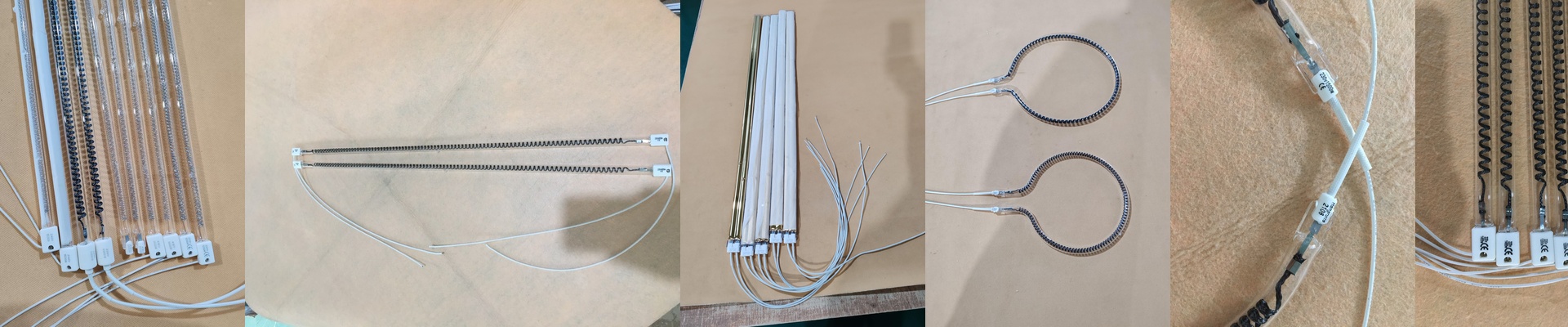
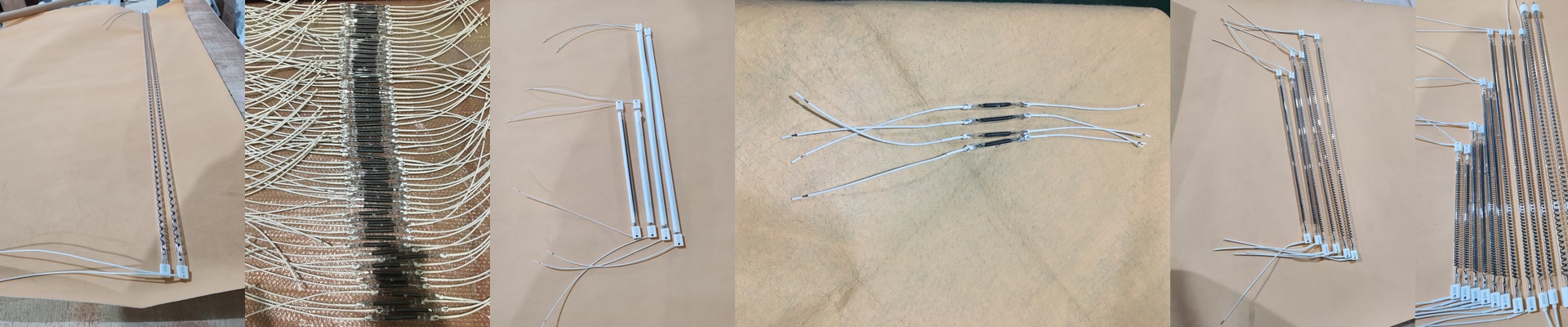
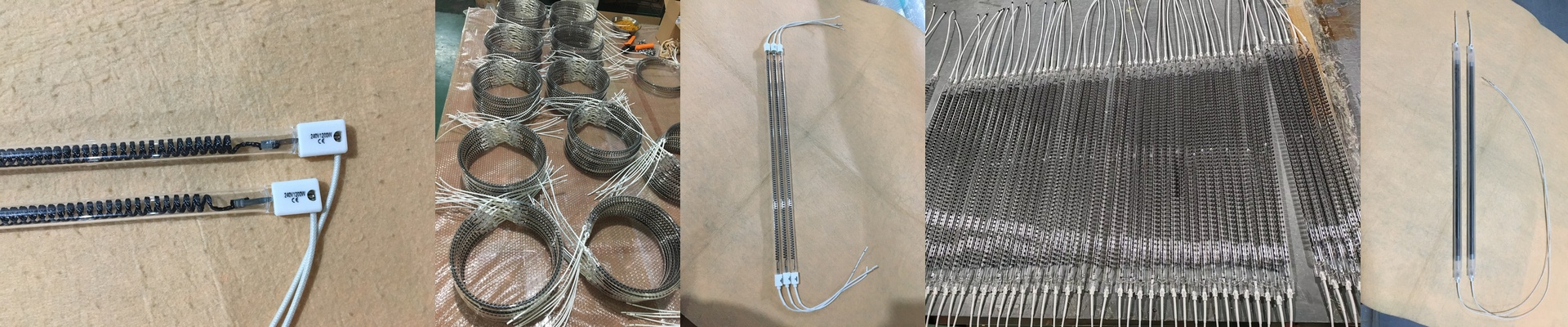
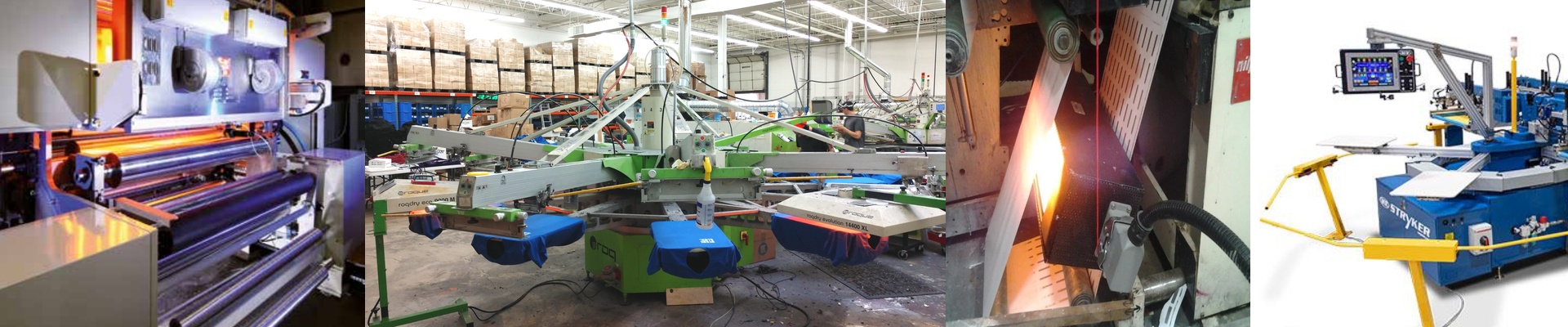
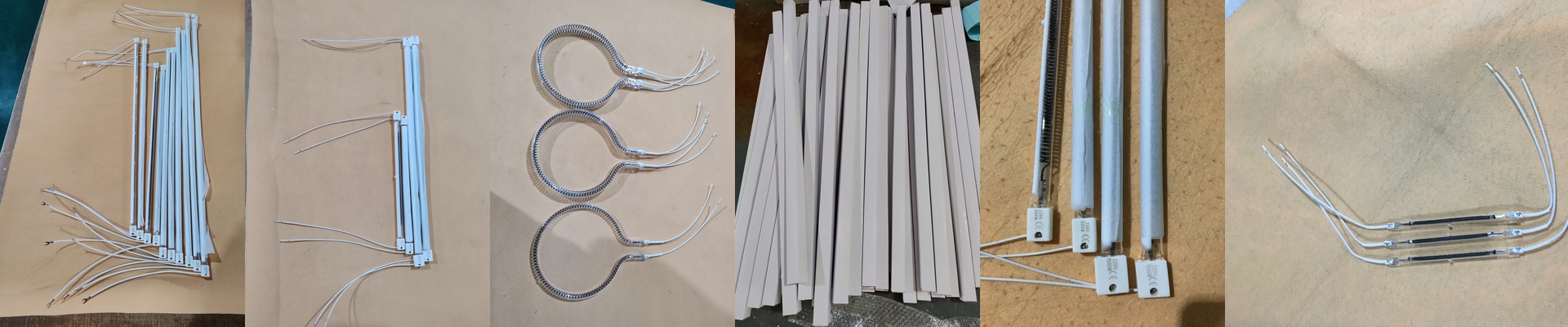
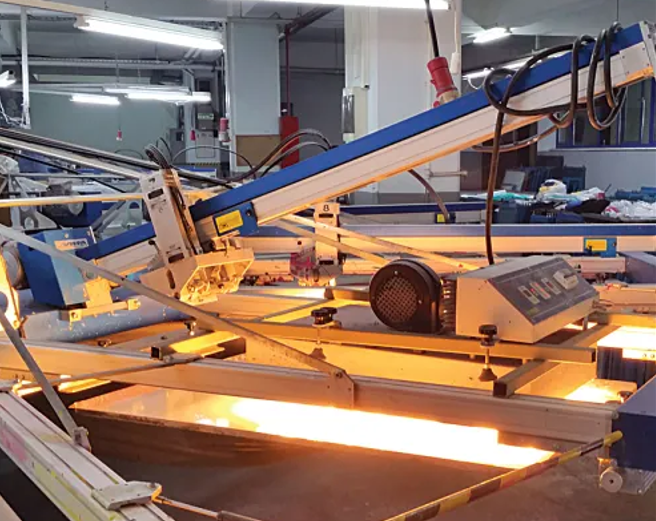
If you’ve spent any time screen printing, you know the struggle of intermediate drying. You need that ink set perfectly—not a second too long, or you’re staring at a scorched shirt. Most Anatol machines lean on high-output infrared lamps to get the job done. But here’s a little secret: you don’t have to stick with the expensive OEM lamps. Switching to high-grade domestic quartz tubes gives you the same heat but keeps more money in your pocket. Matching the heat The goal here is simple. You want the same “oomph” as the original setup. We look closely at the wattage-per-centimeter so the heat density stays consistent. If your machine uses shortwave IR, we go with high-density quartz filaments. We match the voltage and wattage exactly. Why? Because the last thing you want is to flip a switch and trip your power supply or fry a circuit. These are drop-in replacements. Whether you have R7s or those specific pins, they fit right in. No rewiring, no headaches. The glass matters We use heavy-wall quartz glass. It’s tough. It can handle the thermal shock of being turned on and off all day without cracking. Depending on the ink you’re running, we can even add a selective coating to the tube. This basically tells the heat where to go. Instead of wasting energy heating up the air in your shop, the heat goes straight into the garment. It’s just more efficient. A few things to keep in mind Swapping these out is easy. You just slide them into the reflectors and you’re good to go. But a word of caution: if you try to squeeze more wattage into a shorter tube to get more heat, the glass is going to get a lot hotter. That’s where you have to watch your conveyor speed. If the belt is crawling, you risk “bleed-through” or shrinking the fabric. And one last tip? Keep your reflectors polished. A dusty, dirty reflector kills your efficiency, no matter how fancy your heating tube is. Keep them shiny, and your machine will run like a dream.