Stop Overpaying for Your IR Drying Lamps
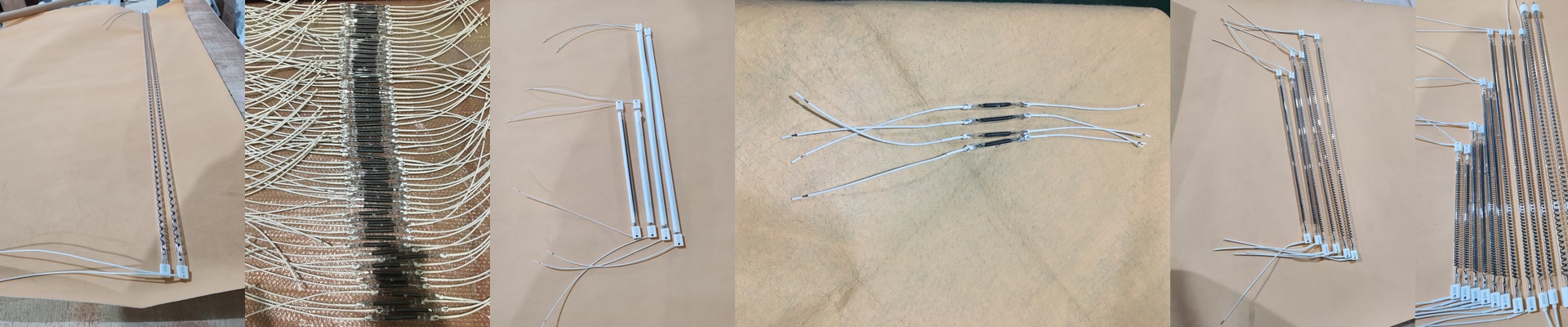
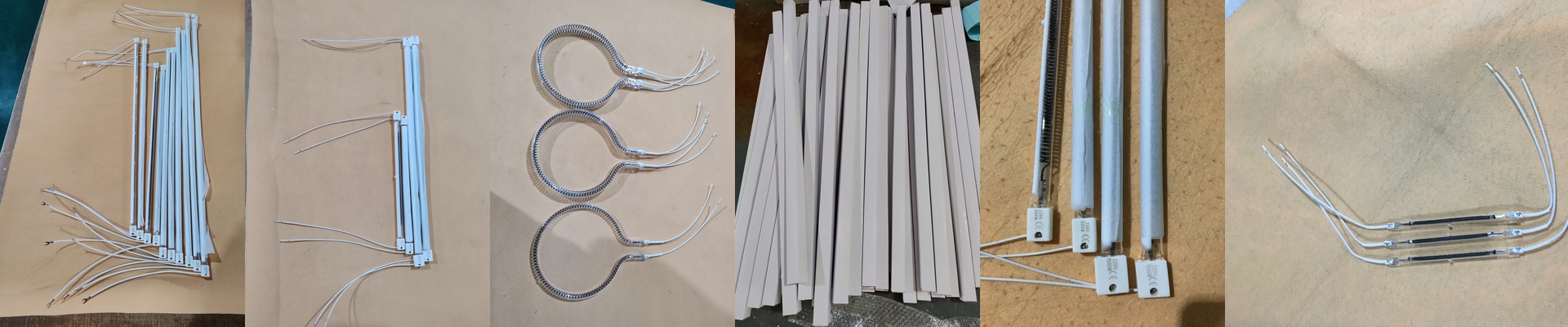
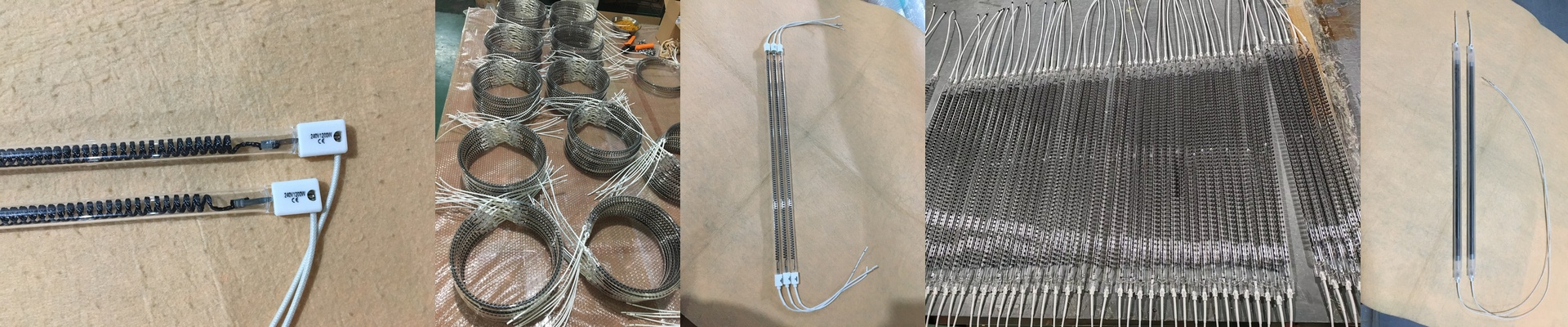
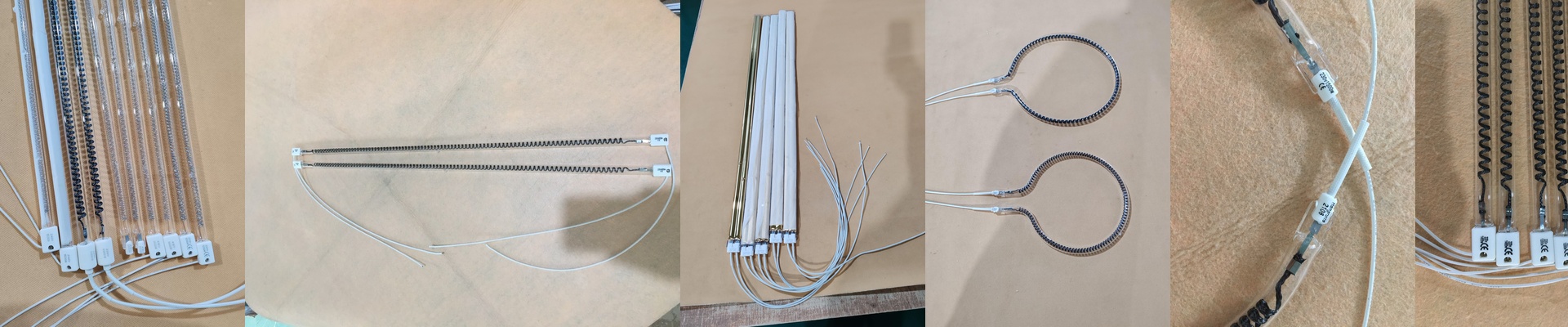
Let’s be honest: a lot of printing shops are paying a “brand tax” on their infrared lamps. There’s this lingering idea that the big OEM names have some secret formula for heat physics. They don’t. At the end of the day, an IR lamp is just a tool. It comes down to three things: the wavelength, the power density, and the quality of the materials. If those numbers match, the results match. Period. The truth about the heat Most of the heavy-hitting drying lamps use short-wave infrared. We make ours with high-purity quartz glass and tungsten filaments. Simple. When you’re looking at the specs, the voltage and wattage are what actually drive the heat. If you’re running 230V or 400V, it’s not magic—it’s just about matching the lamp to your machine’s transformer so you hit the right temperature quickly. If you swap in a lamp with the same wattage and length, your ink is going to dry just as fast. The nuts and bolts We use halogen gas fills in our tubes. Why? Because it stops the filament from evaporating too quickly, which means the lamp lasts longer. Then there are the connectors. You’ve probably seen R7s or SK15. These are just mechanical parts. They either fit the socket or they don’t. There’s no “premium” version of a connector that somehow makes the heat work better. And for those of you dealing with thick ink layers, you might need a specialized coating to help the heat sink deeper into the substrate. We use the same chemical vapor deposition process as the big brands to get that done. Same science, just a fairer price. One thing to watch out for Here is the catch: high-density lamps put a lot of pressure on your reflectors. If your reflectors are dirty or pitted, it doesn’t matter if you bought the most expensive lamp on the market—it’s going to underperform. You’ve got to keep those reflectors polished. Otherwise, you’re just heating up your machine frame instead of actually drying your ink.