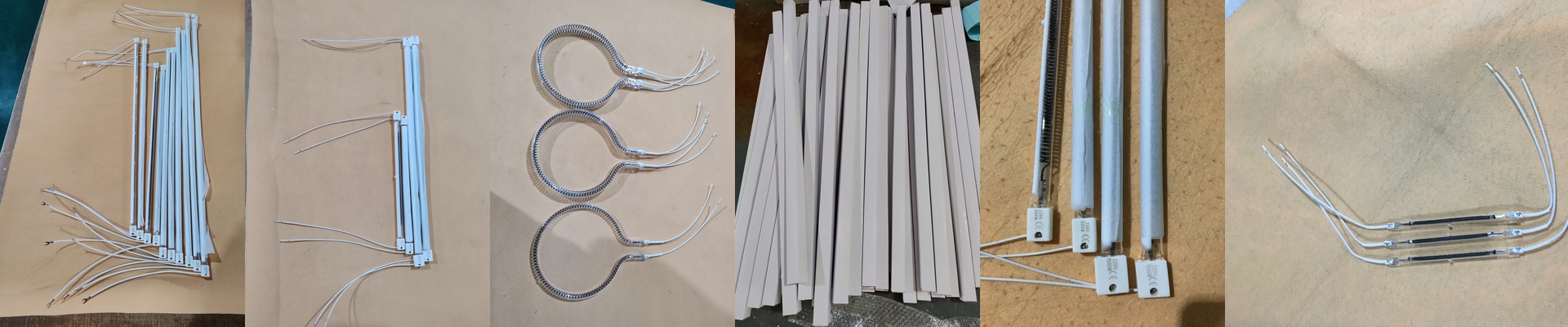
Stop Overpaying for the Logo on Your NIR Lamps
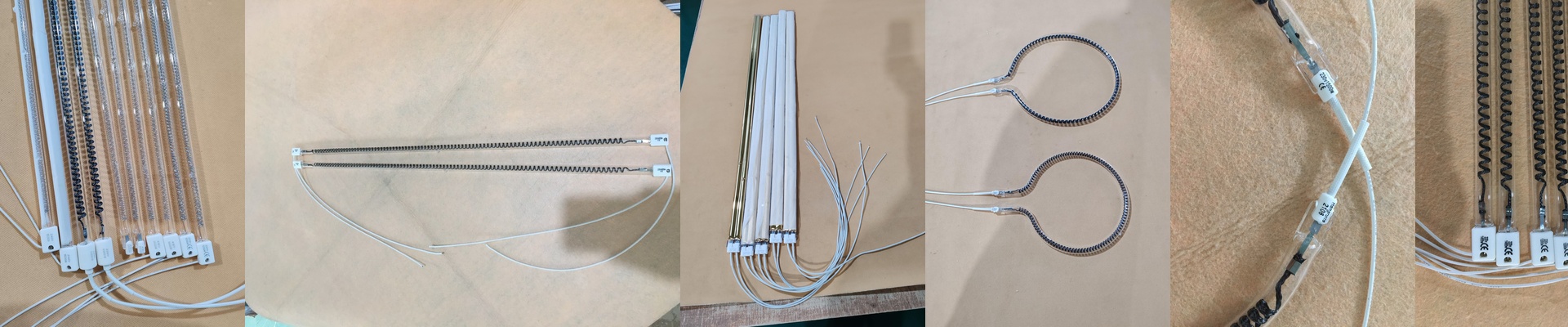
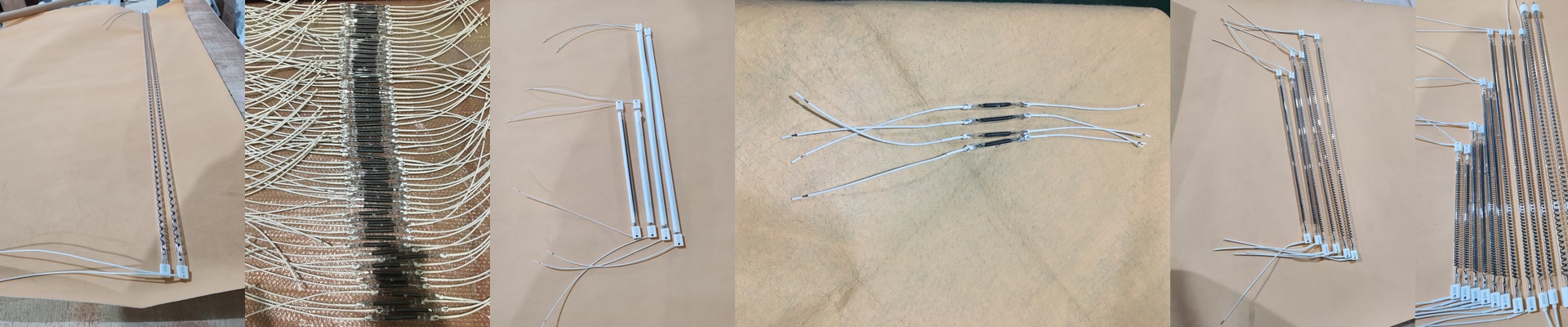
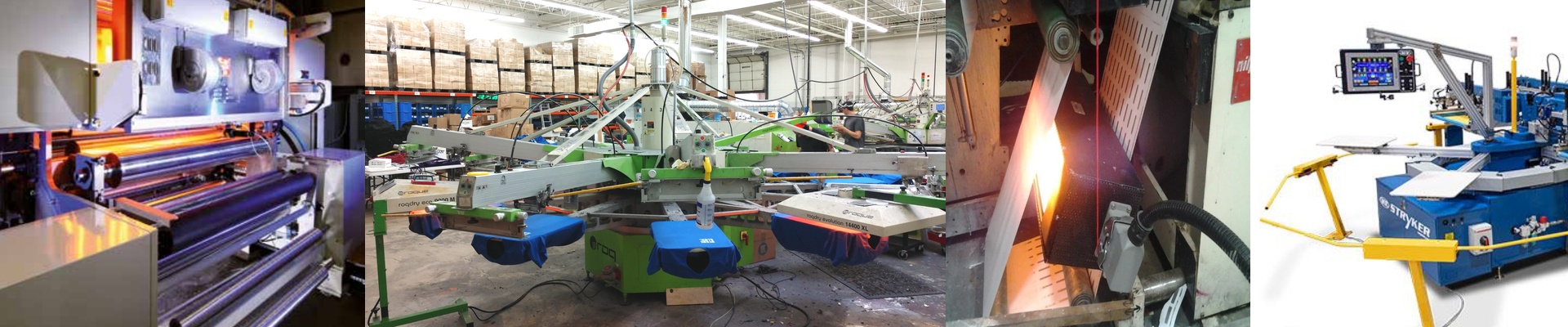
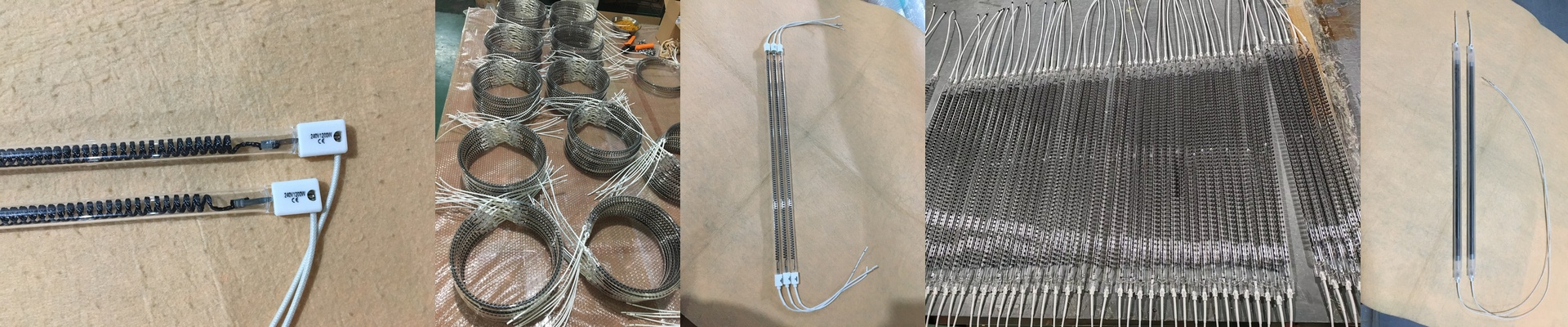
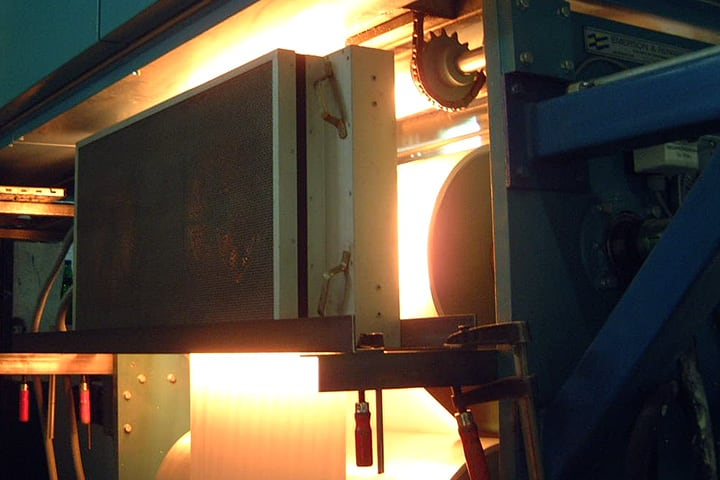
Let’s be honest: a lot of printing plants are wasting a ton of money on “name brand” NIR lamps. There’s this idea that the logo on the box is what actually creates the heat. But that’s not how physics works. Whether you’re paying a premium for a brand name or going with a smart alternative, the result comes down to three things: the grade of the quartz, what the filament is made of, and how efficient the reflector is. If the specs are identical, the lamp does the exact same job. Period. What’s actually happening at 1000W? We design these lamps to hit a very specific power density. At 1000W, you’re getting high-intensity short-wave radiation. Instead of just baking the surface, this energy punches deep into the ink and the substrate. That’s the secret to getting solvents to evaporate faster and pigments to cure quickly. One quick tip: keep an eye on your voltage. If your power supply is jumpy, you’ll fry those filaments way sooner than you should. Get a stabilized power supply and your lamps will actually last. The gritty details: Quartz and Halogen We use high-purity quartz glass because it can take the thermal shock. If you used standard glass, it would shatter the second you flipped the switch. Inside, there’s a halogen cycle at work. It basically pushes the tungsten back onto the filament as it wears, which keeps the wire from thinning out and snapping. Also, make sure your fit is tight—whether you’re using R7s or SK15 connectors. A loose connection causes an arc, and that’s a great way to melt your socket. Just make sure it’s wired up securely. Making it work on the floor Printing plants are tough environments. Between the ink splatter and the constant heating and cooling, these lamps take a beating. Here is where most people trip up: matching that 1000W output to the speed of the conveyor belt. If your belt is crawling, you’re going to scorch the fabric. If it’s flying too fast, your ink stays tacky and ruins the batch. It’s all about finding that sweet spot between your line speed and the wattage to hit the right temperature.