Stop Overpaying for the Logo on Your Drying Lamps
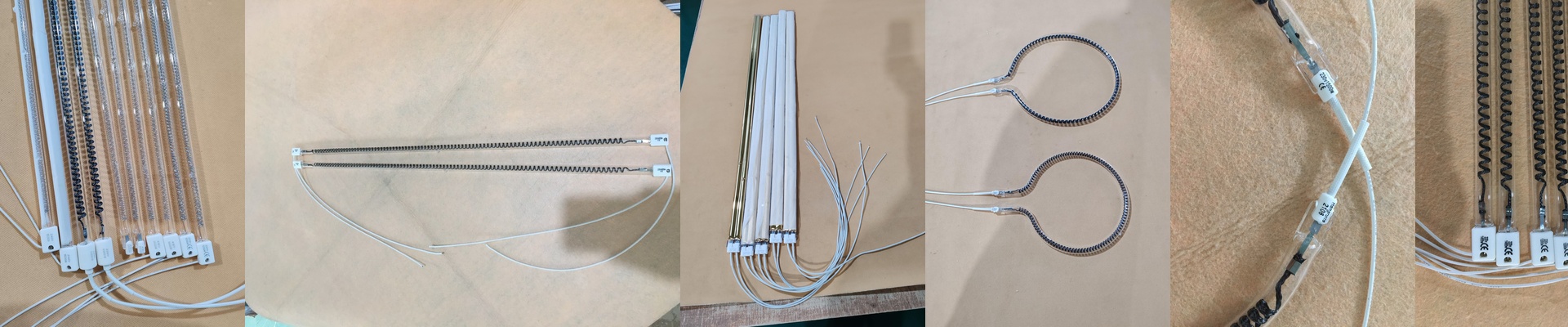
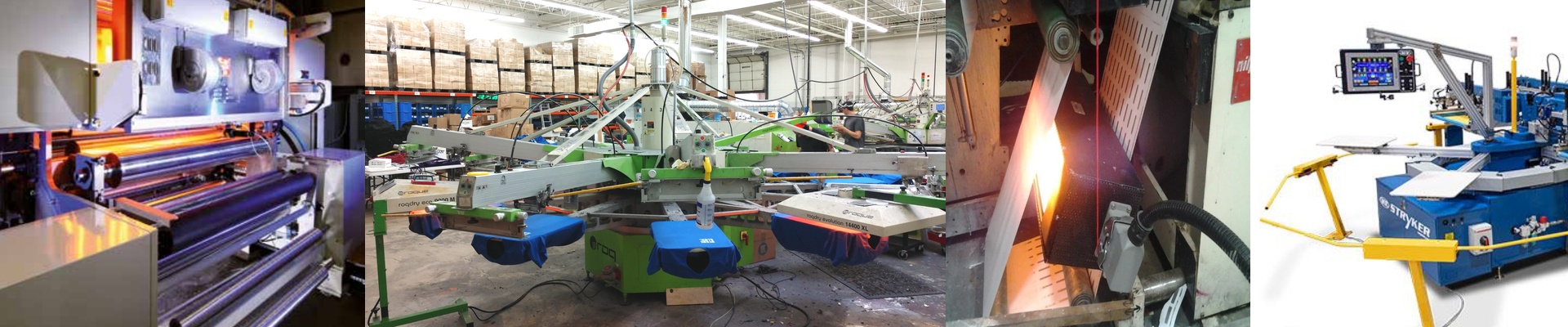
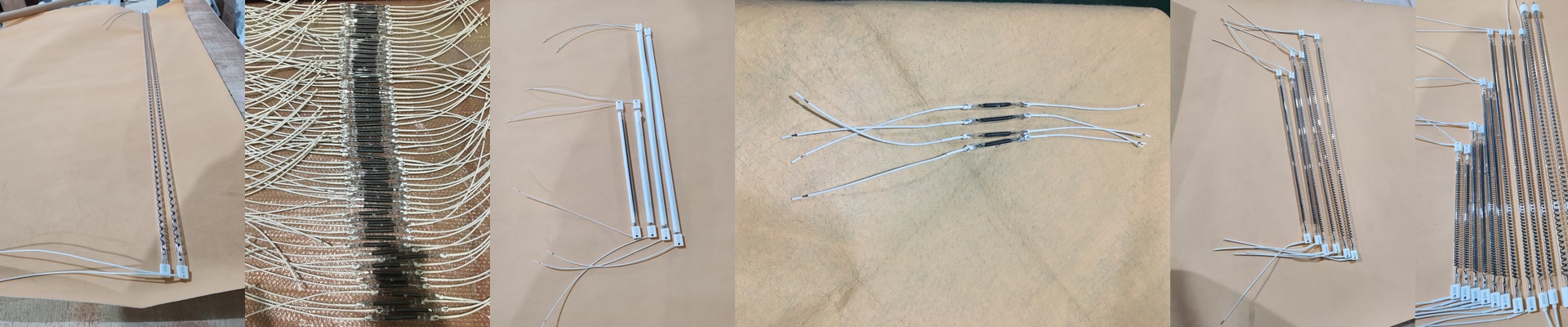
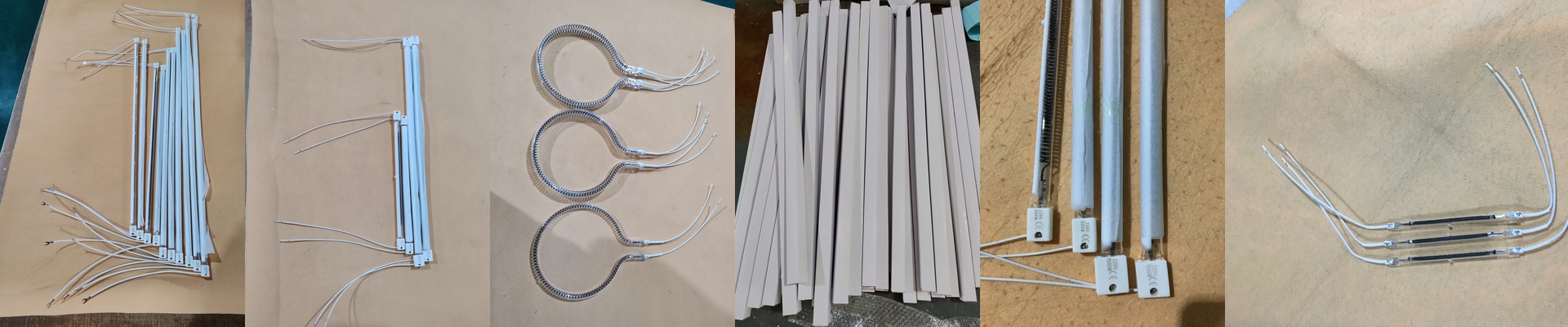
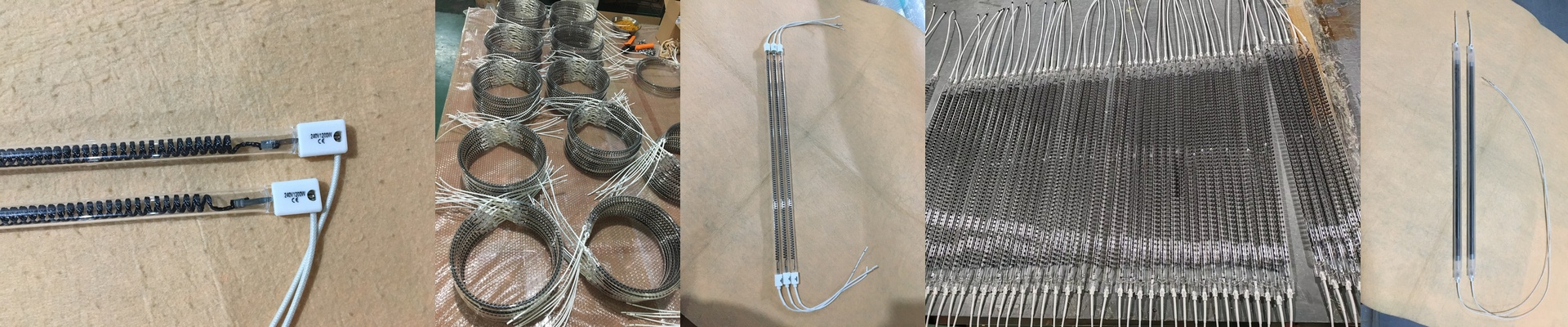
Let’s be honest: a lot of print shop owners are paying a 300% markup on OEM drying lamps. Why? Because there’s this lingering fear that a non-branded tube is just going to pop or, worse, leave the varnish tacky. But here is the thing about physics. It doesn’t care about brand names. Once you’ve nailed down the wattage, voltage, and spectral output, the label on the box doesn’t change how the heat actually moves. It’s the same science, whether the lamp costs a fortune or is priced fairly. The nitty-gritty on hardware To get that varnish to flash off without scorching your paper, you need a specific amount of heat density. We build our lamps to match those original dimensions exactly. Whether you’re running a 2kW or 5kW setup, it really comes down to two things: the grade of the tungsten filament and how pure the quartz is. If the voltage matches—like your standard 230V or 400V—the lamp pulls the same current and puts out the same IR heat as the expensive version. You just slide it in, and it works. What’s actually inside? We use high-purity fused quartz. This is important because it keeps the lamp from cracking when it heats up and cools down rapidly. Then there’s the coating. That’s what controls the wavelength. Shortwave IR hits the surface for a quick dry, while medium-wave digs deeper into those thicker layers of varnish. We also stick to standard R7s or Sk15 connectors. No hacking, no modifying your sockets, no headache. A quick heads-up on reflectors Here is a tip that often gets overlooked. You can buy the most expensive lamp in the world, but if your reflectors are pitted or oxidized, you’re wasting your money. High-wattage tubes put a lot of stress on those reflectors. You’ll see a much bigger jump in quality by pairing a precision-spec lamp with clean, polished reflectors than you will by just buying a “name brand” tube. Stop paying the “logo tax.” Match your technical specs, double-check the spectral output, and you’ll get the exact same cure rate for a fraction of the cost.