Infrared Carbon Fiber Heat Lamp: The Real-World Specs, the Science, and Where It Shines
We built this infrared carbon fiber heat lamp for one simple reason: to give you heat you can control—fast, intense, and exactly where you need it. This isn’t about gently warming a room. It’s about hitting a target with direct radiant energy, so your process can move at the speed it demands.
What it’s really like on the line: power, voltage, and size
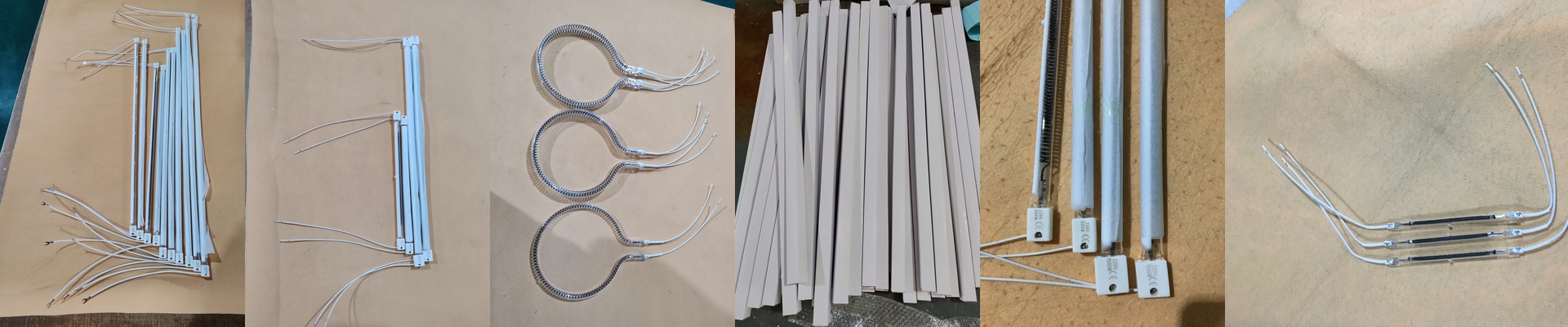
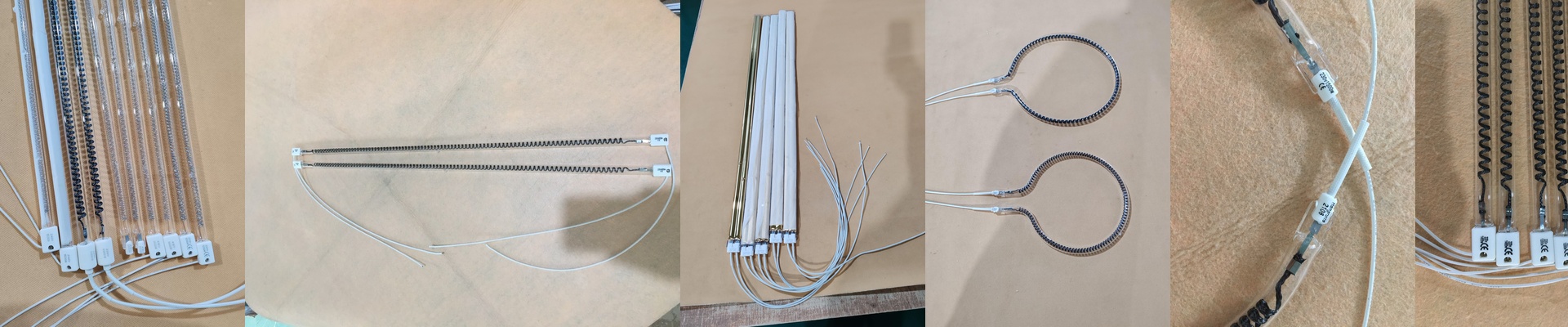
The specs tell the story of how this lamp behaves once it’s installed. It runs at 400V and 2500W—high voltage, high power, designed for industrial control circuits, not your average wall outlet. The tube is 300mm long, which keeps the heat concentrated in a tight space. That means short dwell times and a layout that stays compact. You get serious heat density—that’s the payoff. But with that kind of intensity comes a practical reality: the lamp and the surrounding area need solid heat management. Proper ventilation, shielding, or airflow keeps everything in a safe temperature range and protects nearby parts.
Inside the build: materials that make it reliable
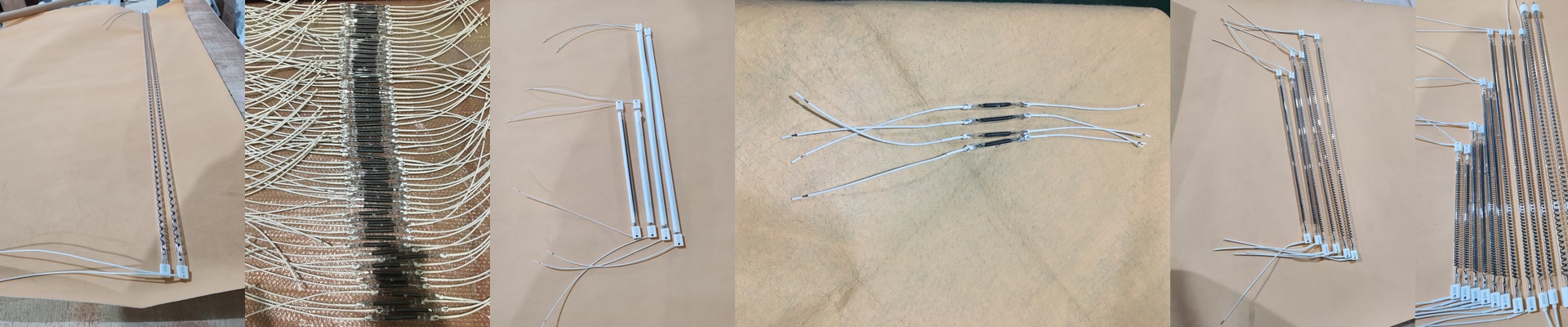
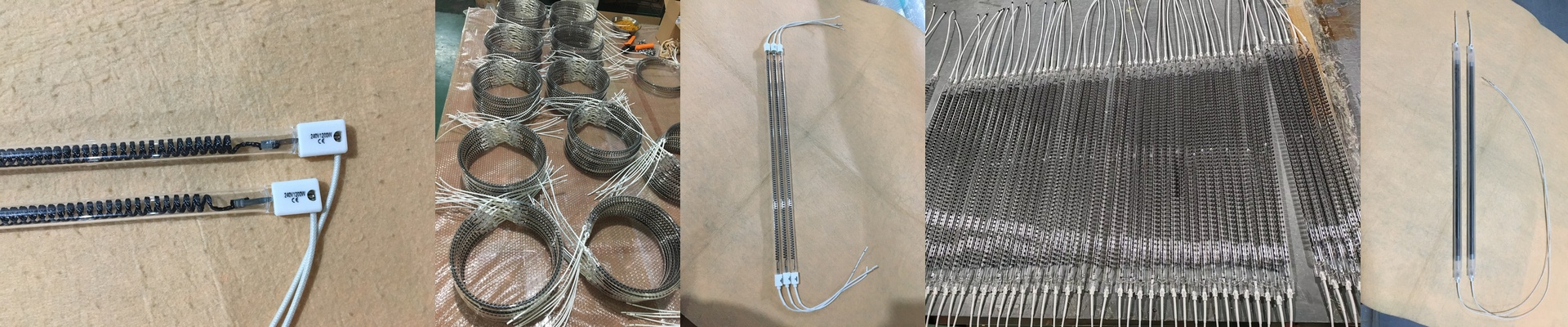
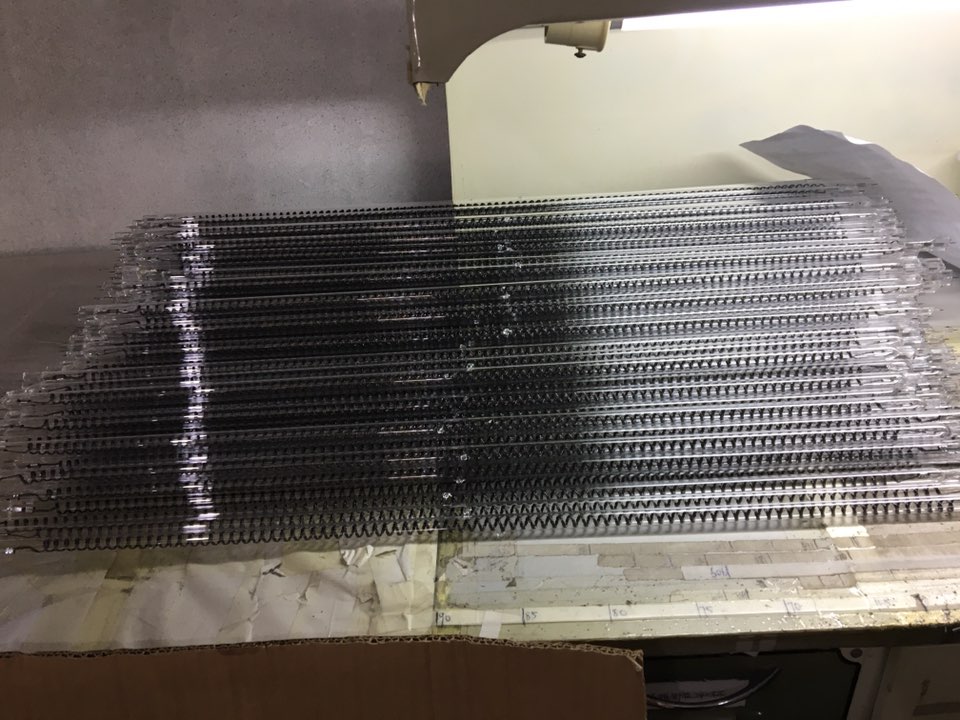
Inside the quartz envelope, the carbon fiber element is the workhorse. It responds quickly and holds steady resistance even when it’s heated and cooled again and again. The halogen fill gas helps the filament last longer by supporting the emitter surface, so output stays consistent over time. The reflector coating is there to push infrared energy forward, so less heat is wasted to the sides and more usable intensity lands on the target. And the R7s connector? It’s a practical, industrial choice. It carries the current safely, locks in solidly, and makes replacement straightforward—critical when your equipment can’t afford long downtimes.
Where it lands in real work: built for process heat
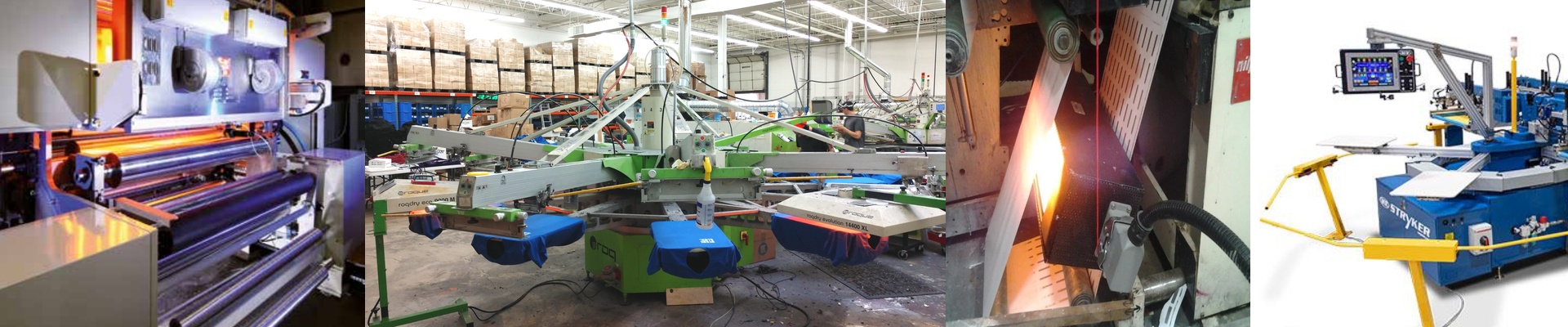
This setup is made for the kinds of jobs that need rapid, repeatable surface heating—think PET blowing, plastic thermoforming, and similar processes. It starts up fast. Output stays stable. And the footprint is small enough to fit into tight machine bays without forcing you to redesign everything. For engineers, the appeal is straightforward: you get predictable heat right where you want it, and it drops into existing R7s-based systems with minimal hassle. Wire it up, set the distance, and fine-tune the process. Done.