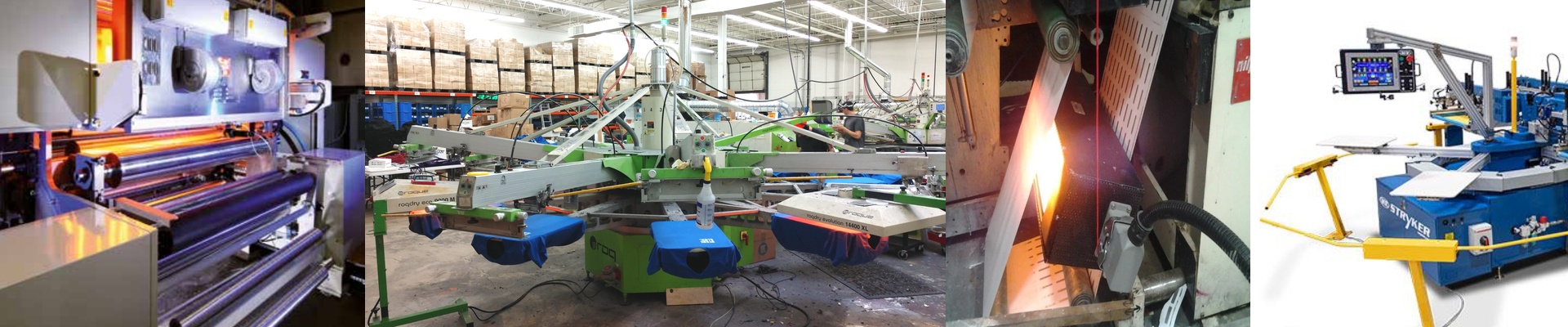

Getting Your KTK Oval Printing Lamps Right
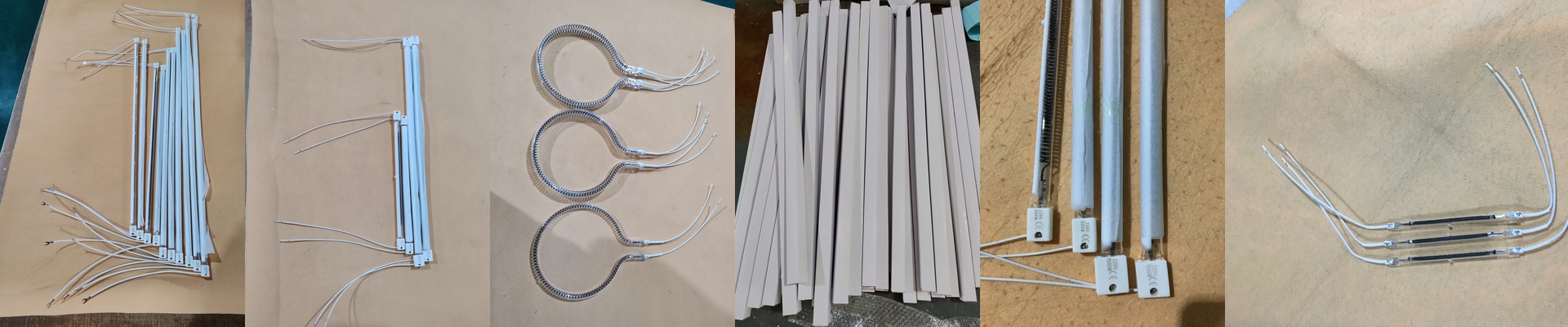
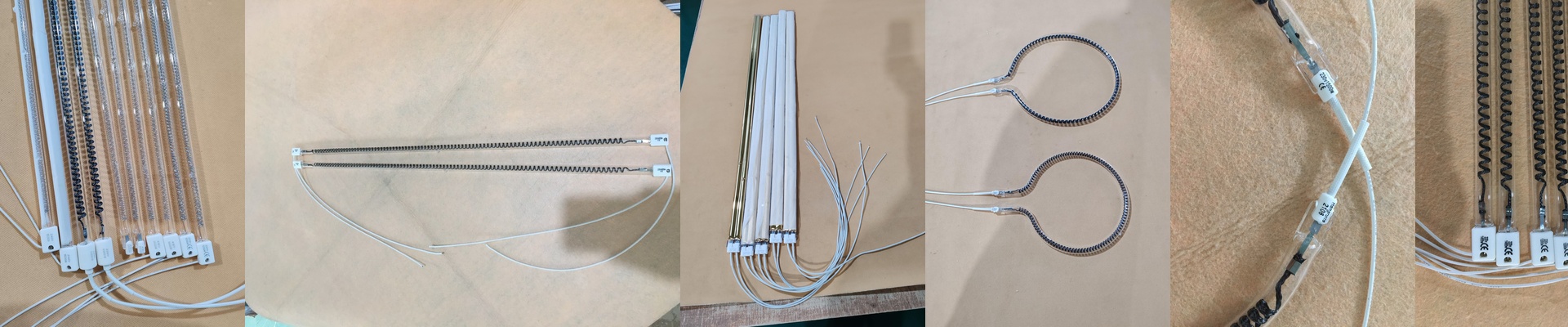
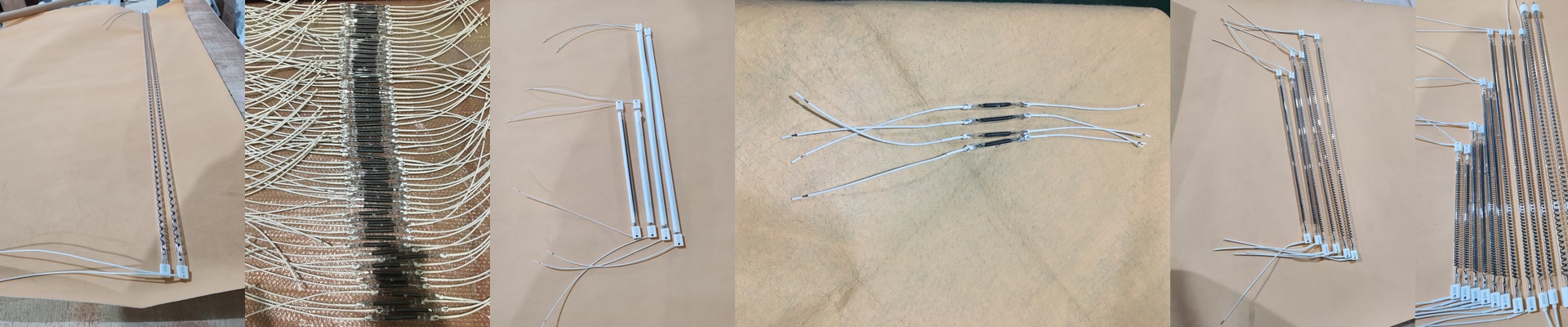
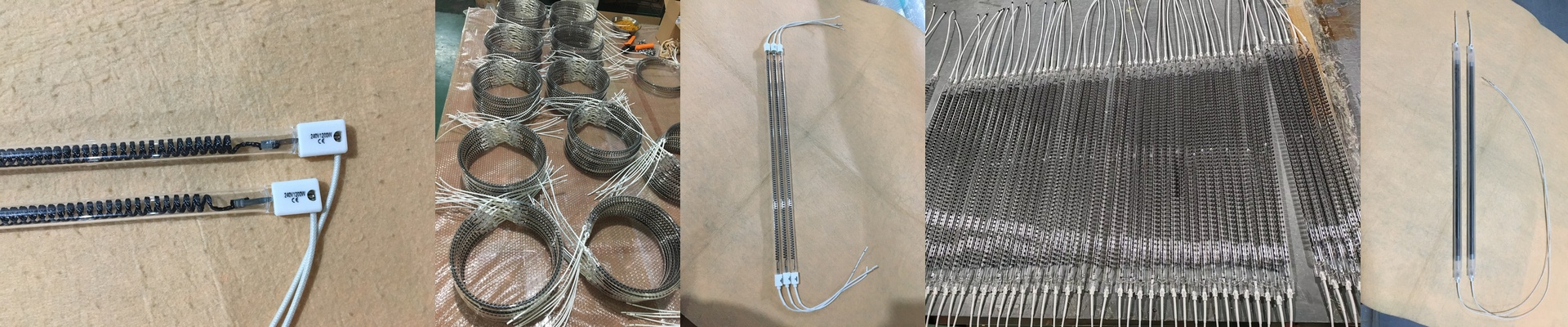
If you’re looking to swap out the heating elements in your KTK oval printing machine, you probably already know that just matching the length of the bulb isn’t enough. Trust me, it’s a trap. To get a replacement that actually works—and doesn’t blow a fuse or burn out in a week—you have to get the electrical load and the heat footprint exactly right. The Nitty-Gritty on Specs We build our high-intensity bulbs to mirror the original KTK specs. Why? Because if the voltage or wattage is even slightly off, the heat density shifts. If a bulb has too low a resistance, it’ll pull too much current. That’s how you end up with a blown fuse or a fried transformer on a Tuesday afternoon when you have a deadline. We also keep the length and end-caps precise. You want the bulb to slide right into the housing. If you have to force it, you’re risking a stress fracture in the quartz. And nobody wants a shattered bulb. The Build Quality We use heavy-wall quartz glass. It’s tough. It handles the intense internal pressure and heat without breaking a sweat. Plus, the filament is halogen-cycled, which is just a fancy way of saying the glass won’t turn dark and cloudy over time. As for the connectors, we stick with the industrial standards like R7s or SK15. They’re built for heat. The key here is a tight fit. If the contact points are loose, they start to arc. Once that happens, the socket overheats, and your lamp dies way sooner than it should. Making it Work in Your Shop The good news is you can wire these straight into your existing KTK setup. Since these are shortwave lamps, they hit peak temperature almost instantly. It’s great for curing ink on the fly. But here’s a tip: keep an eye on your reflectors. Because these lamps are so intense, they put a lot of stress on those reflectors. If yours are pitted or oxidized, you’re losing a huge chunk of that infrared energy. To compensate, you’ll end up running the bulbs hotter just to get the same result. That’s a fast track to burning through your tubes. Keep those reflectors clean. Your lamps—and your wallet—will thank you.