Introduction
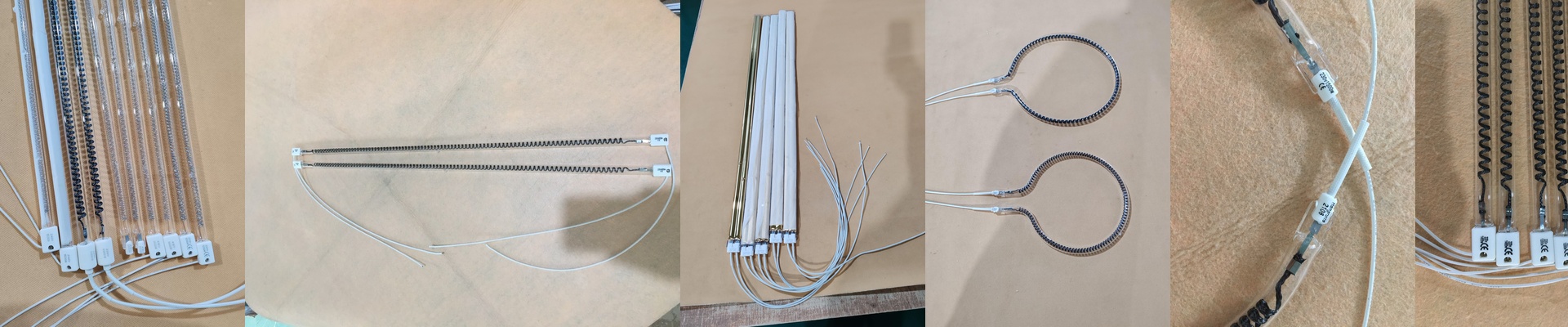
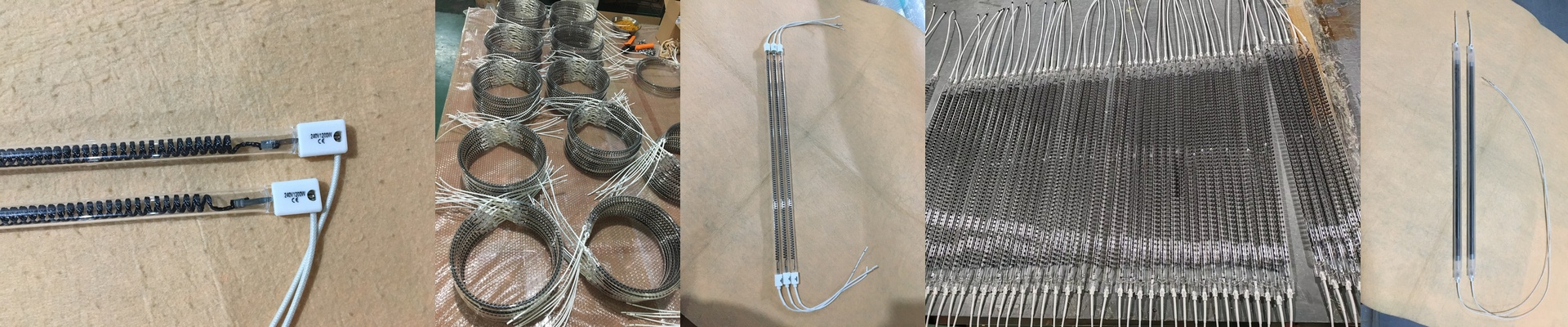
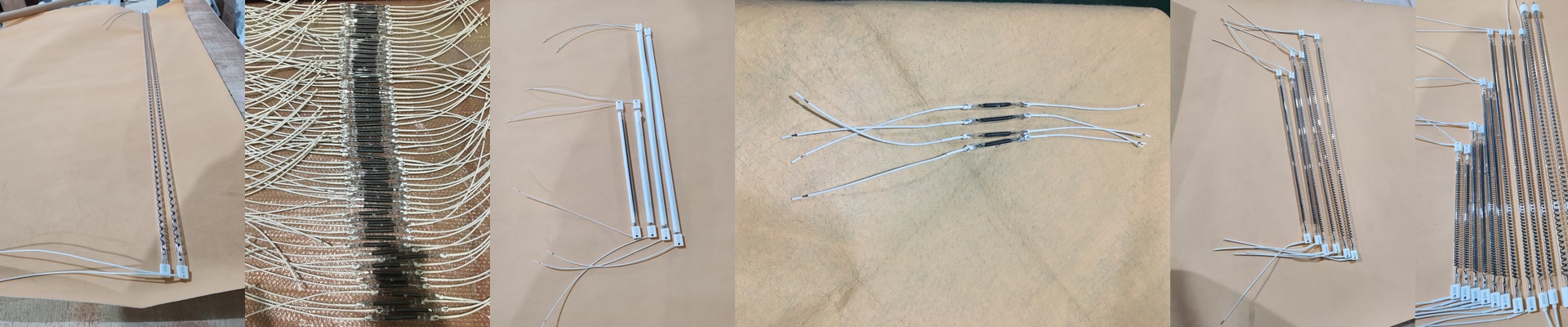
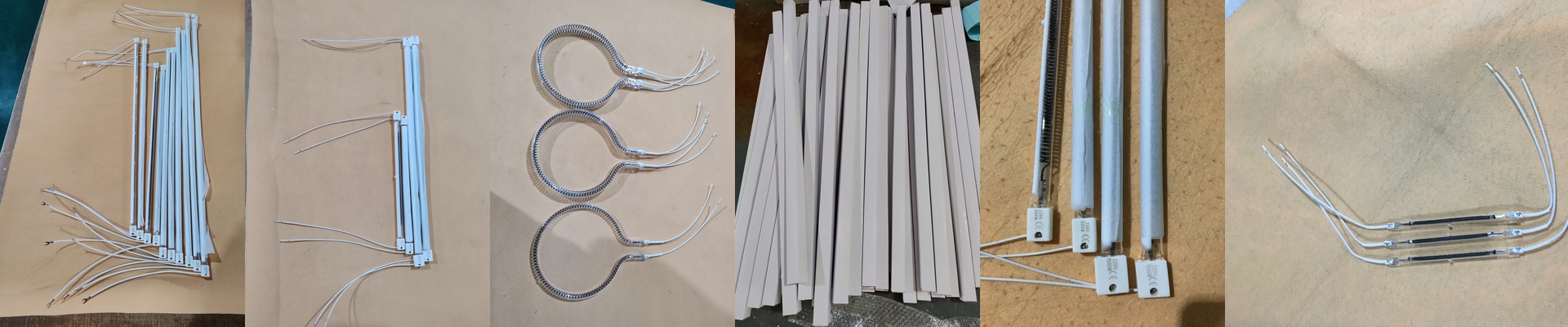
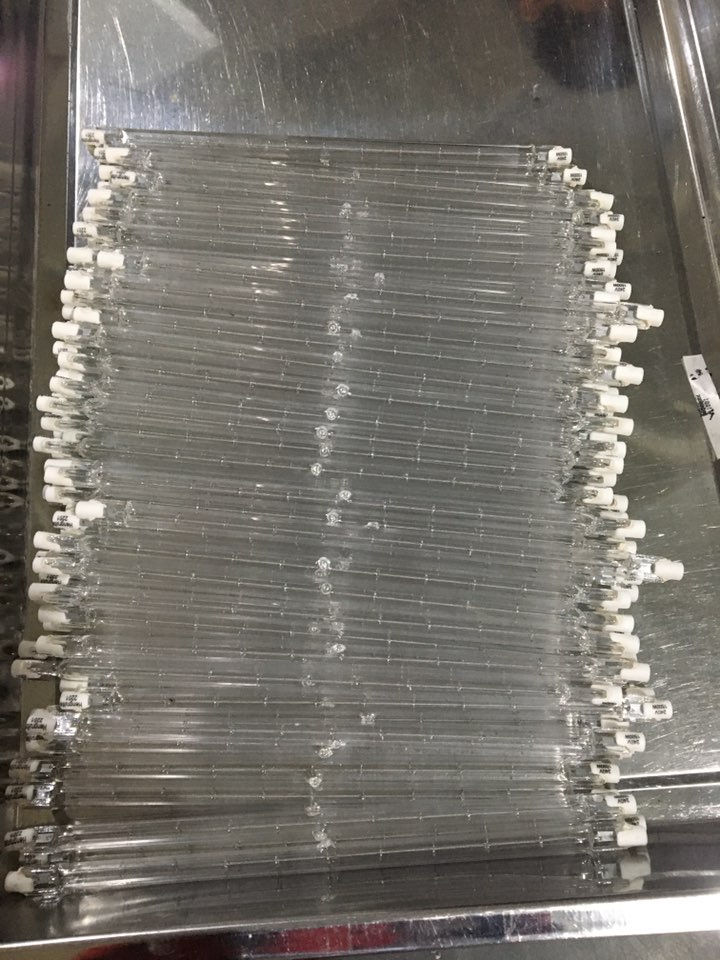
We built this heater for the jobs that demand serious heat—fast—without taking up a ton of space. It’s a 1260mm, 220V, 3500W carbon fiber quartz tube, made to go from cold to hot in a hurry, hold its temperature steady, and handle repeated on/off cycles without falling apart.
What it’s really like to run
Here’s the part you’ll actually care about on the shop floor: it heats up fast. The 3500W rating at 220V gives you a predictable electrical load, so you can plan your wiring with confidence—whether you’re building something new or upgrading an existing line. And that 1260mm length? It’s long enough to cover a wide heating zone, but still fits standard mounting setups. Think conveyor tunnels, oven zones, or big process equipment where you need even heat across a decent span. More wattage in this size means more heat density. That cuts warm-up time and keeps idle time down. But—and this matters—you do need to manage airflow and clearance around the tube. Crowd it, and the surrounding air gets too hot, which shortens the life of the component. Give it space, and it just works.
Why the materials matter (without the hype)
Carbon fiber inside a quartz envelope isn’t just a buzzword. The carbon fiber element keeps resistance stable as temperature swings, so the power output stays consistent while the tube heats up. No mood swings. Just steady performance. And the quartz tube? It handles high heat, and it creates a clean, sealed environment that protects the element. That’s what helps it survive repeated start-stop cycles without burning out. Mounting is straightforward, too. The connector interface is built to carry the current and handle thermal expansion without working itself loose. You wire it once, and it stays put.
Where it shines
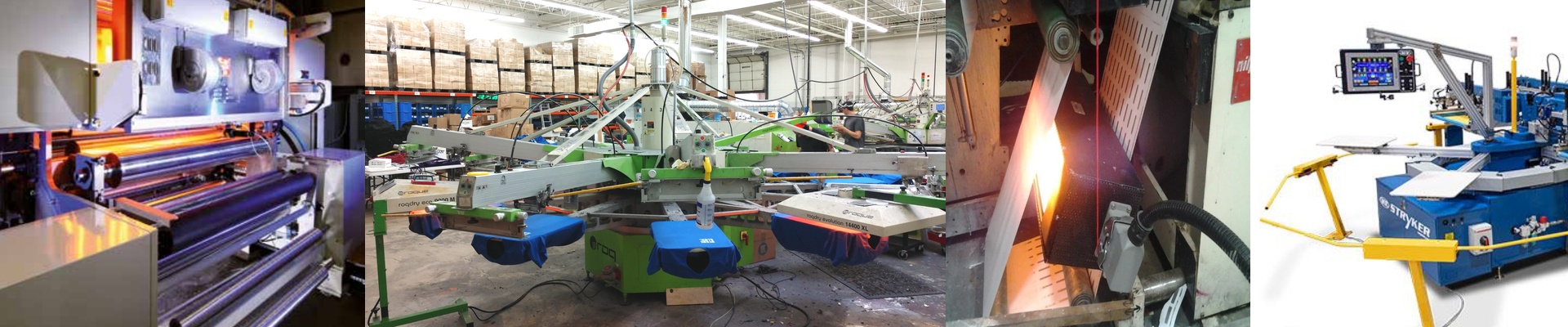
Use this tube wherever you need quick heat-up and dependable temperature control—plastic processing, coating curing, drying lines, or any industrial process that can’t afford temperature drift. The combination of 3500W, 220V compatibility, and the 1260mm length makes it a drop-in upgrade in many setups. In a lot of cases, you can replace lower-power heaters without tearing the whole machine apart. On the floor, it feels like a workhorse. It heats quickly, holds the setpoint, and keeps going through harsh cycles. If uptime and consistent heat are what matter, this is the kind of component you spec in and then stop worrying about.