How Our Wall-Mount Carbon Crystal Heaters Actually Work
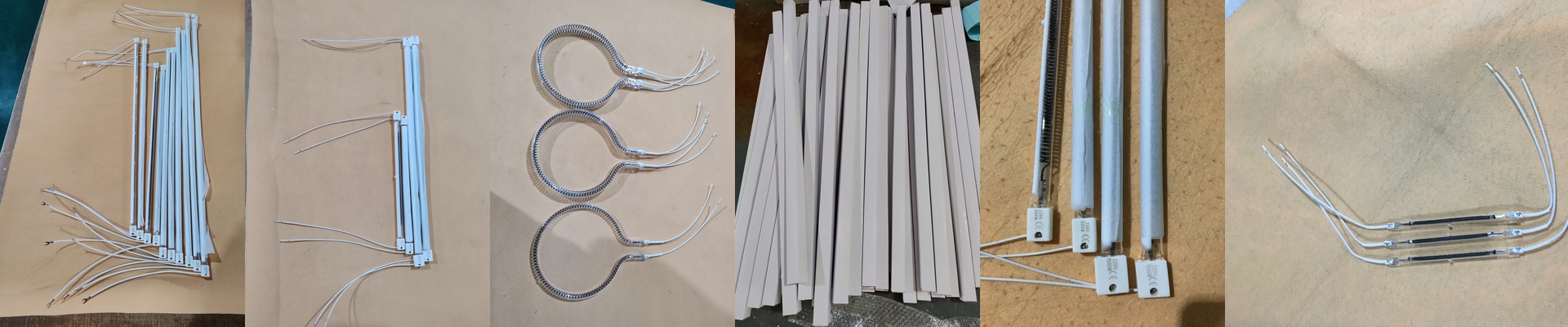
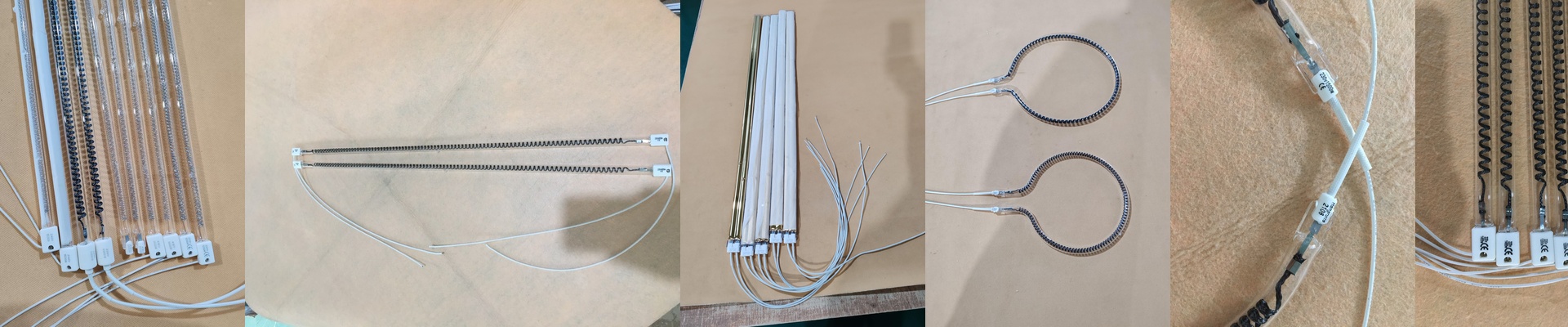
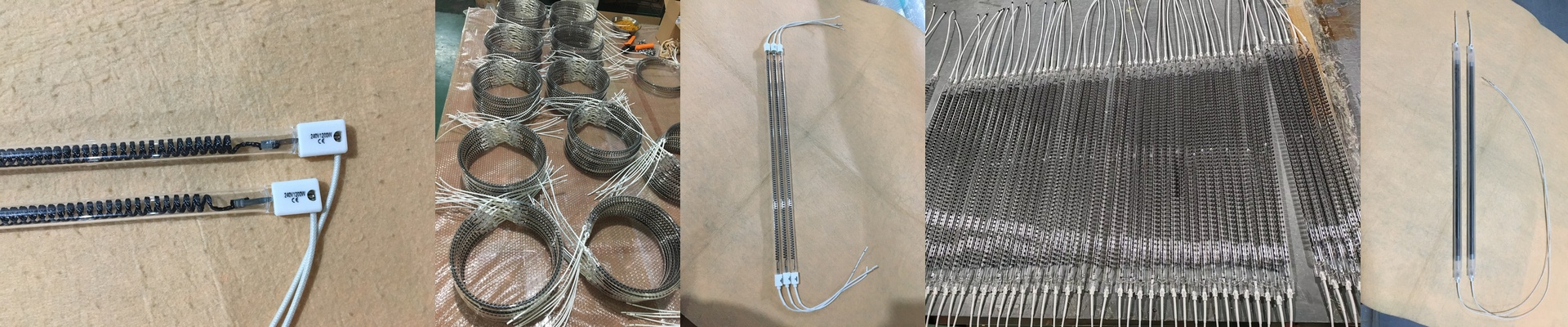
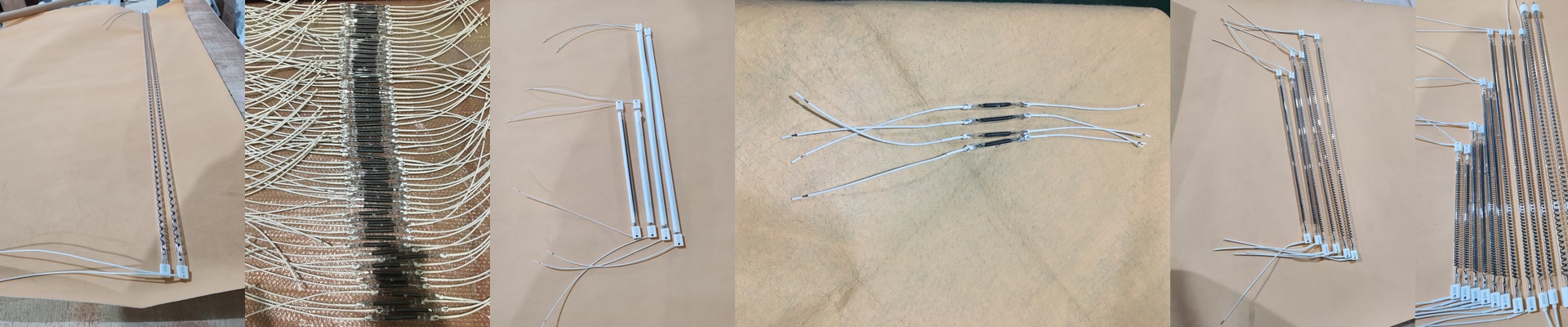
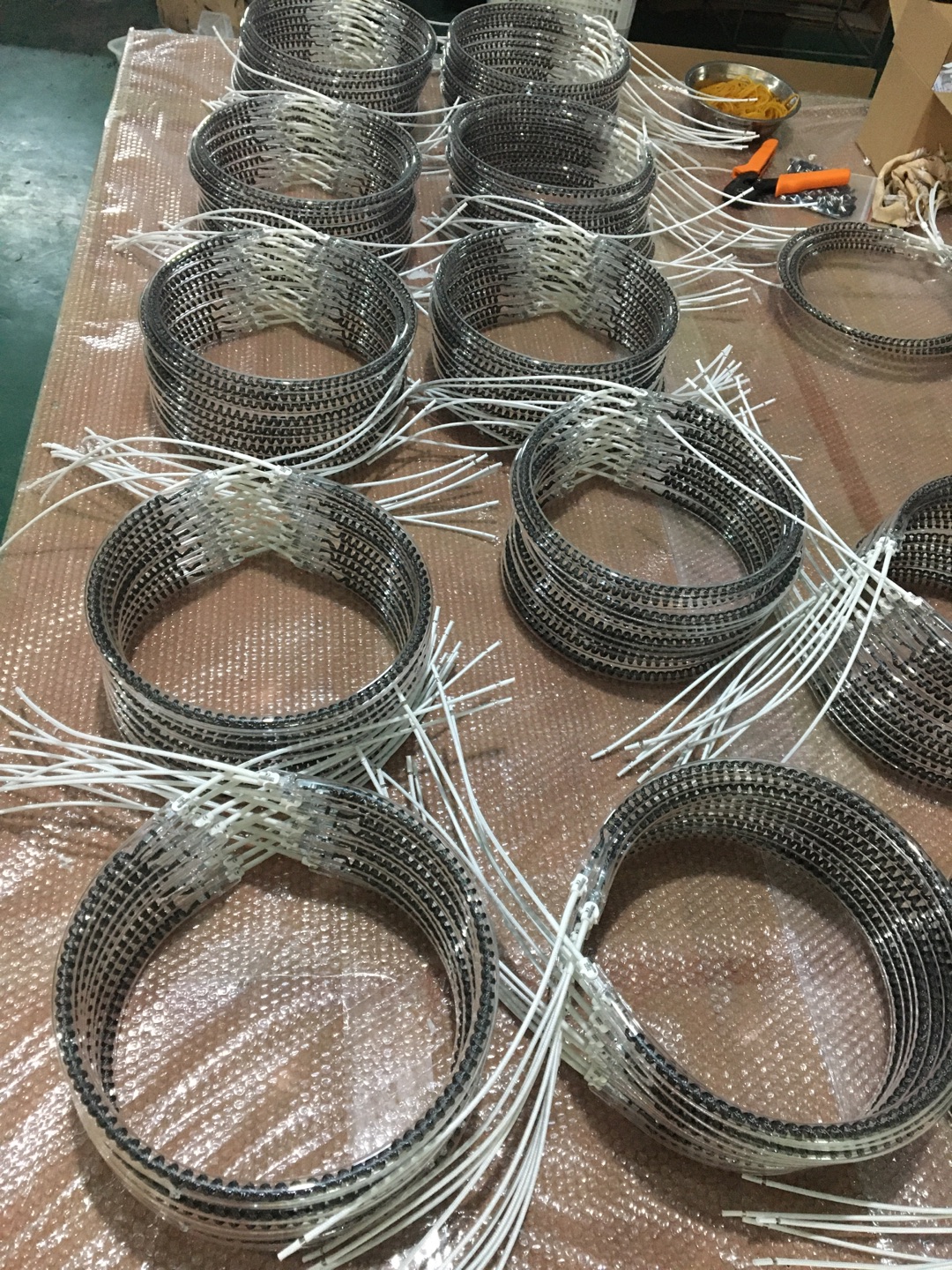
Most heaters you’ve used probably rely on those old-school resistive wire coils. They’re okay, but we do things differently. We use a carbon-based heating element tucked into a crystal structure. Instead of just warming up the air around it—which usually just floats up to the ceiling where it does nothing for you—this setup sends far-infrared radiation straight to you. It’s the difference between standing in a warm breeze and feeling the actual sun on your skin. Why put it on the wall? It’s mostly about the floor. Nobody wants to trip over cords or lose square footage to a bulky box. By mounting these vertically, you keep your space open while pushing heat exactly where you need it. We designed the carbon crystal element to cover a much wider area than those skinny quartz tubes you see in cheap heaters. That means you don’t get those annoying “hot spots” where one side of you is roasting and the other is freezing. It’s just a steady, even soak of warmth. The guts of the machine Inside, we use a carbon-crystal composite. I like this stuff because it doesn’t warp or burn out after a few months of being turned on and off. It’s tough. We also wrapped the element in a reflective chassis. Think of it like a mirror for heat; it pushes the infrared waves forward in a directional beam rather than letting the energy waste away into the wall. One quick heads-up: these things pull a decent amount of power when they first kick on. Just make sure your circuit breaker is up to the task so you don’t trip the power the second you hit the switch. A few things to keep in mind You can plug these into a regular outlet or hardwire them if you’re putting them in a shop or warehouse. The best part? They heat up almost instantly. No more waiting twenty minutes for the room to feel “okay.” But here is the catch: you need a clear line of sight. Since this is radiant heat, it doesn’t “fill” a room like a fan would. If you put a big piece of machinery or a partition between the heater and where you’re standing, you won’t feel much. It’s not meant to circulate air—it’s meant to warm you.