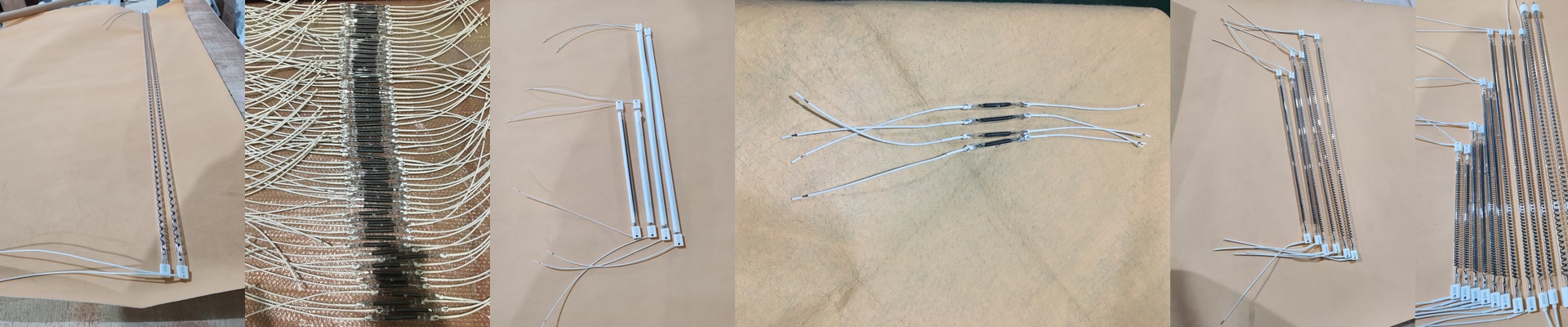
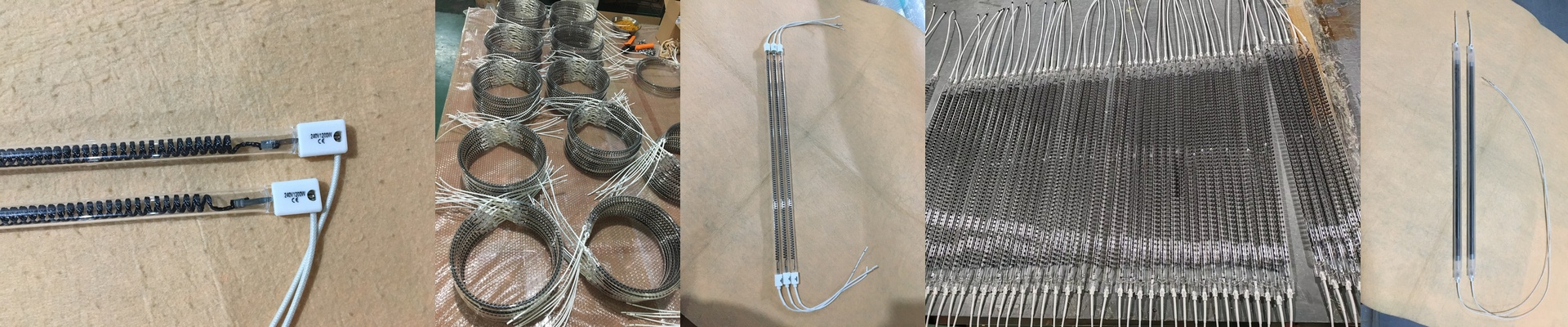
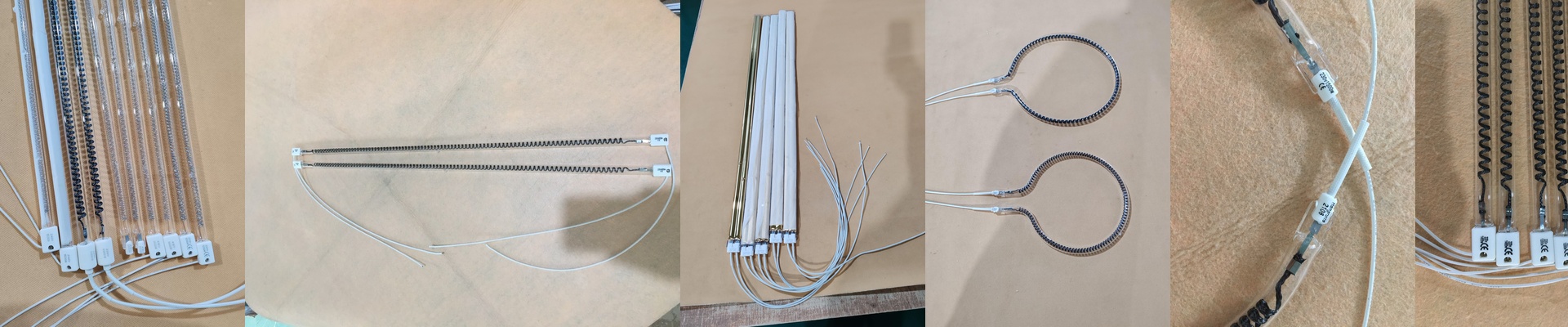
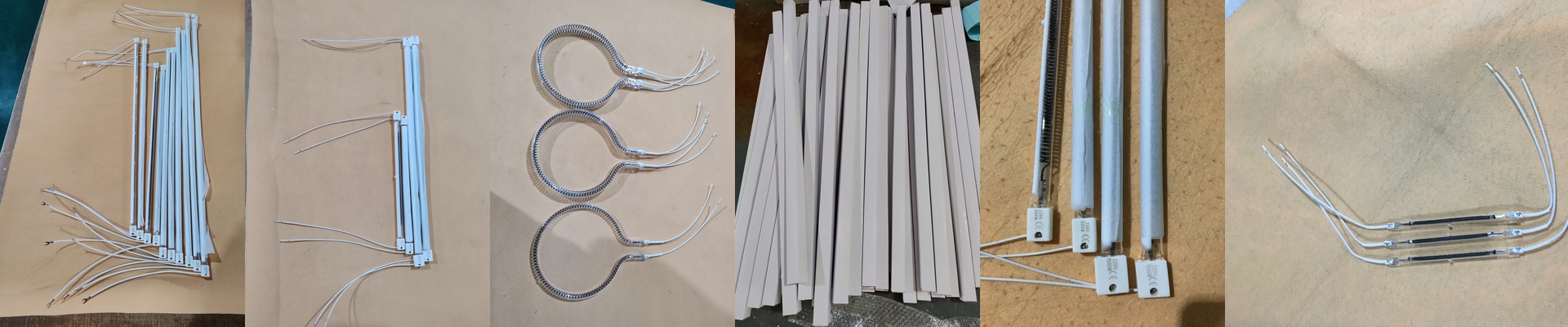
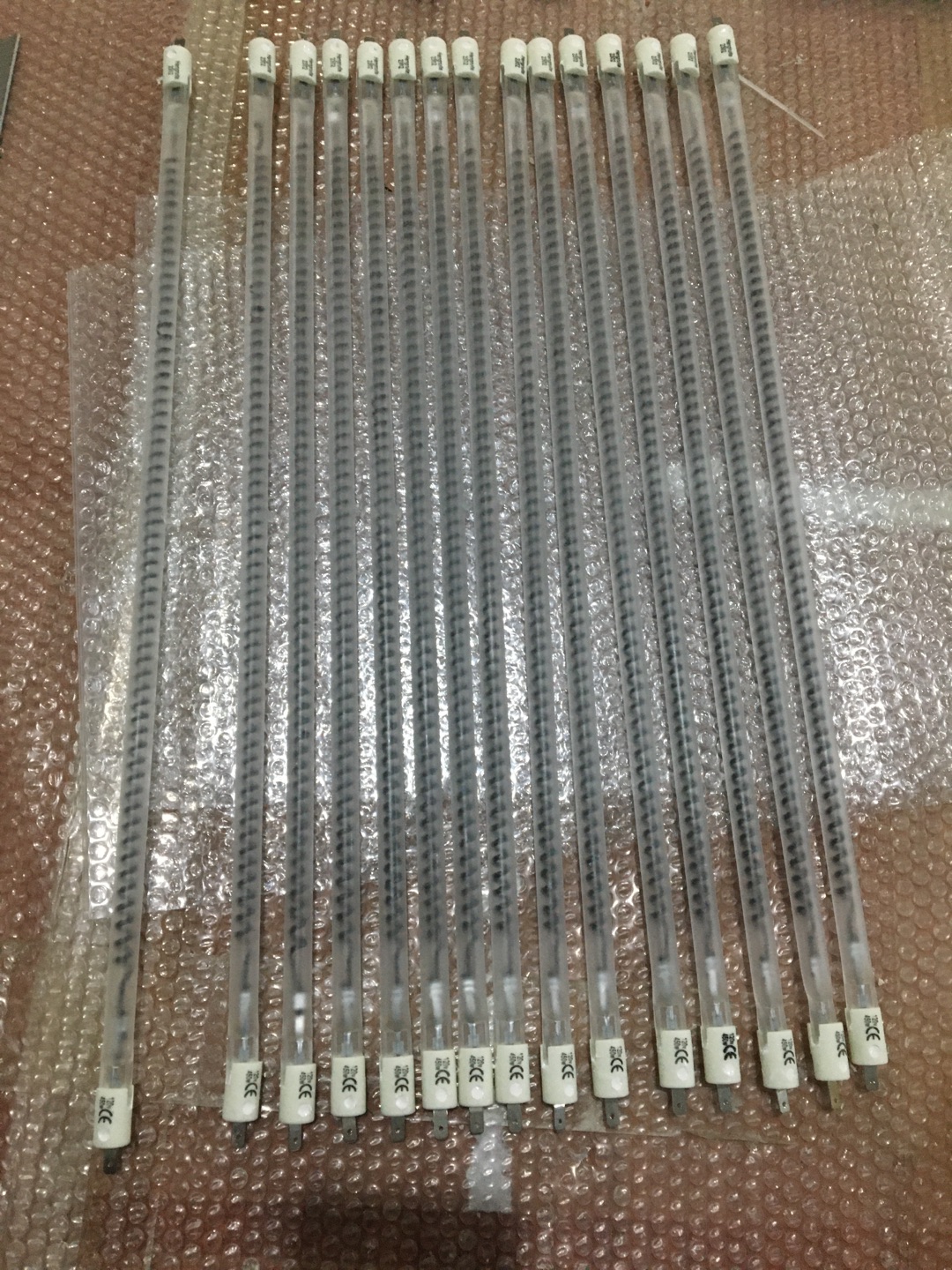
Let’s Talk Carbon Fiber Heating Lamps
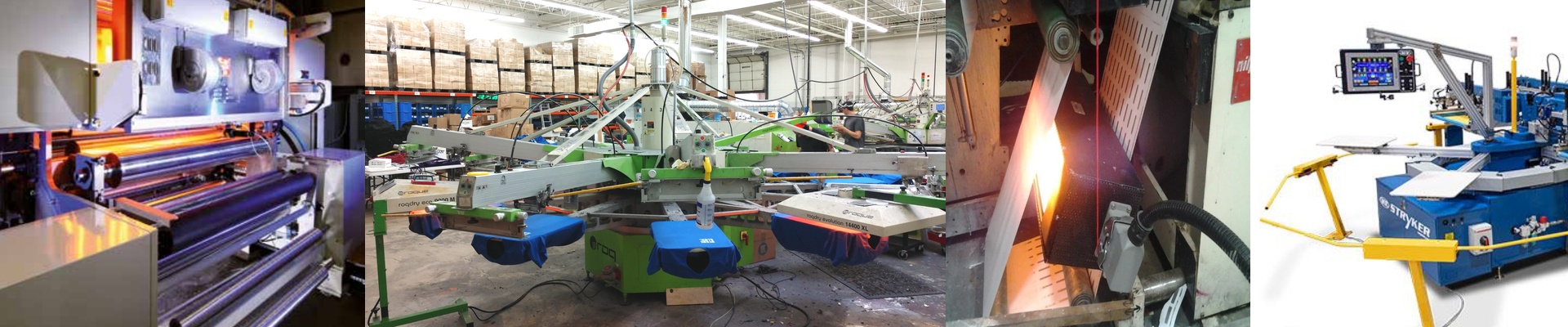
If you’ve ever dealt with old-school metal alloy coils, you know the struggle. They sag. They snap. They just can’t always handle the heat. That’s where carbon fiber filaments come in. Basically, we take a conductive carbon filament, tuck it inside a quartz tube, and let it rip. Because carbon has lower resistance and better emissivity, we can pack a ton of wattage into a tiny space. It stays rigid and reliable, even when things get scorching. The Power Side of Things We usually aim for a high wattage-to-length ratio. Why? Because nobody likes waiting around for a machine to warm up. If you go with a high-voltage setup, you’ll notice the current draw drops for the same amount of heat. That’s a win for your control panels since you can get away with thinner wiring. But here’s the catch: all that power density puts a lot of pressure on the quartz glass. If your housing isn’t vented properly, the heat gets trapped, the glass stresses out, and—crack—there goes your lamp. Give it some room to breathe. The Build and the Connections The quartz tube is the real MVP here. We use high-purity quartz so the infrared light can get out without any interference. Some of our lamps even have a special coating. It tweaks the light spectrum so certain materials soak up the heat even faster. For the plugs, we stick with R7s or SK15 connectors. They aren’t fancy, but they work. They lock in tight and won’t vibrate loose while your machines are humming along. Making it Work in the Real World You’ll see these lamps all over PET bottle blowing lines or industrial dryers where every second counts. They fit right into the spots where old halogen tubes used to live, but they react much faster. Just a heads-up: these filaments are a bit moody when it comes to voltage spikes. You absolutely need a stable power supply or an SCR controller. If you don’t regulate the voltage, you’re just fast-tracking your filaments to a burnout. One last tip? Check your reflectors. If that heat isn’t bouncing straight back at your workpiece, you’re basically just paying to heat up the room.