Getting More Out of Carbon Fiber Heating Elements
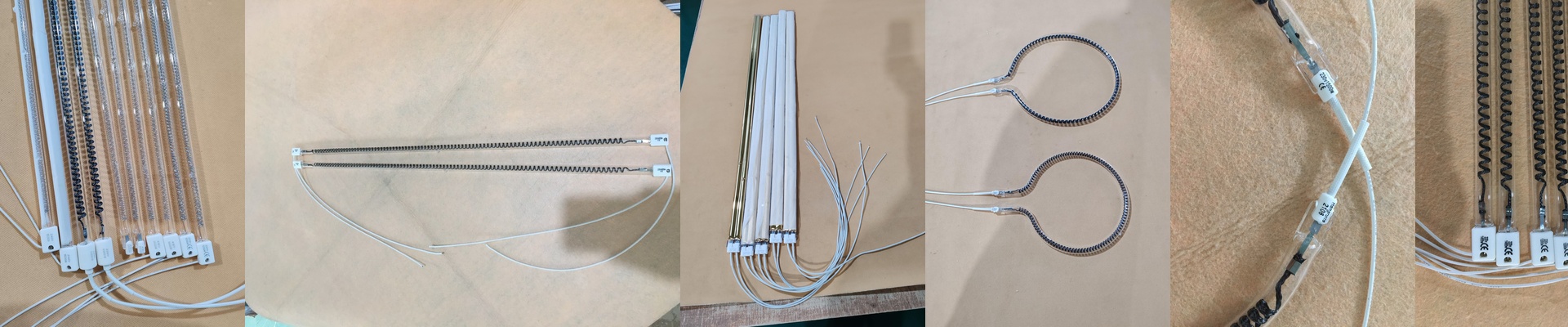
If you’re used to old-school metal coils, carbon fiber is going to feel like a completely different animal. Instead of just getting hot, these elements use a carbon-fiber core to push out infrared radiation. The result? They heat up incredibly fast and hit exactly where you need them to.
Why the physics actually matter
Most nichrome wires just get scorching hot on the surface and hope for the best. Carbon fiber doesn’t work like that. It puts out a wider range of infrared energy—specifically those mid-to-long waves. Think of it as heat that actually soaks into your material rather than just searing the top layer. If you’ve ever dealt with the nightmare of “skinning” or bubbling while curing polymers or drying thick coatings, you know why this is a lifesaver. You get a deep, even cure without ruining the finish.
The “Gotchas” and how to handle them
Here’s the trade-off. You get a smaller footprint and you won’t see a massive spike in current when you flip the switch. But these elements are a bit temperamental when it comes to voltage. If you just wire them up raw without an SCR controller or some kind of soft-start circuit, you’re basically asking for a burnout. That initial power surge can kill the element instantly. My advice? Match your power supply to the rated wattage exactly. Don’t eyeball it.
Making it work on the floor
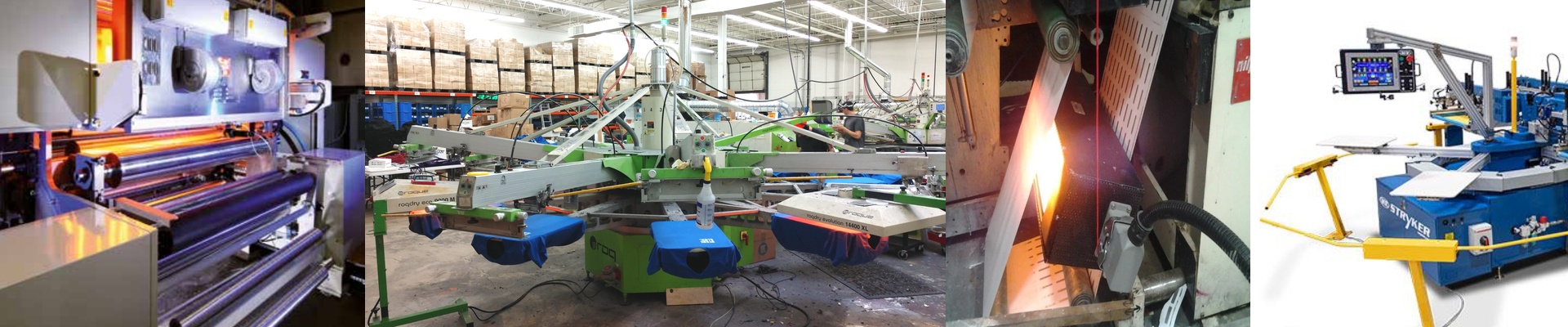
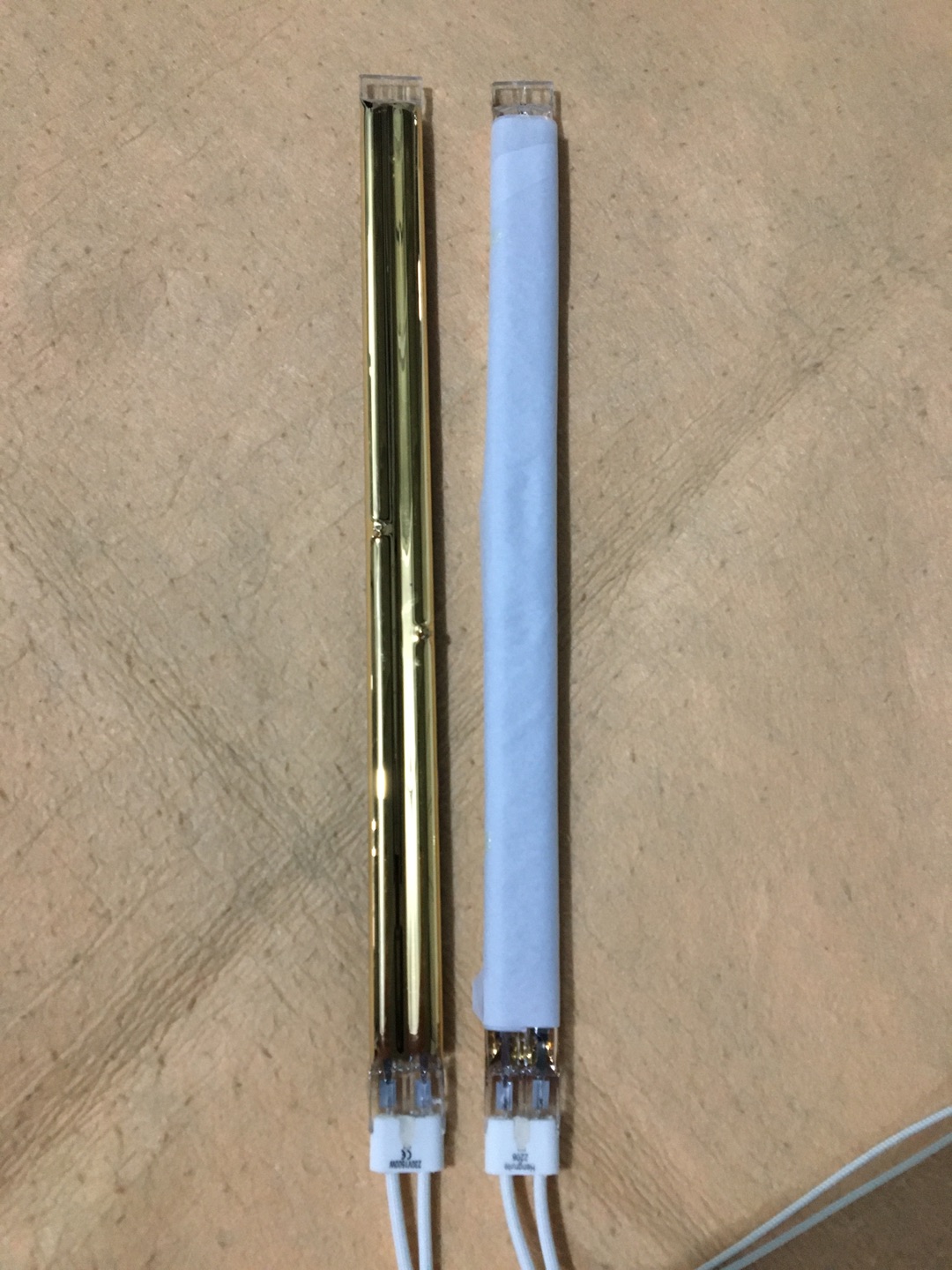
These are perfect for high-density heat zones. Whether you’re doing PET blowing or running industrial drying tunnels, the warm-up time drops from minutes to seconds. It’s a huge win for your energy bill because you aren’t wasting power just waiting for the machine to get ready. You can usually drop these into your existing rigs as replacements, as long as your brackets fit the tube’s length and diameter. One last thing: check your cooling fans. Make sure they’re moving enough air around the connectors, or you’ll end up with melted terminals. And nobody wants to deal with that.