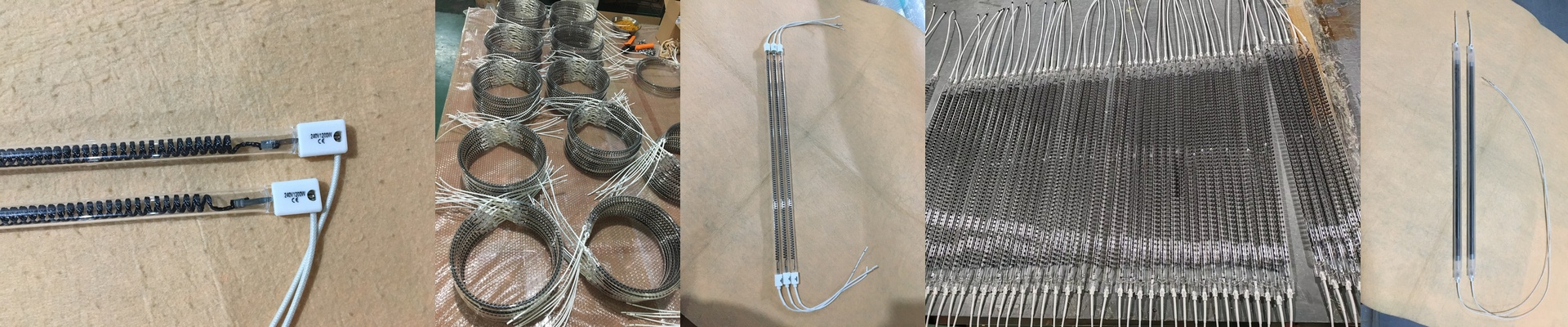
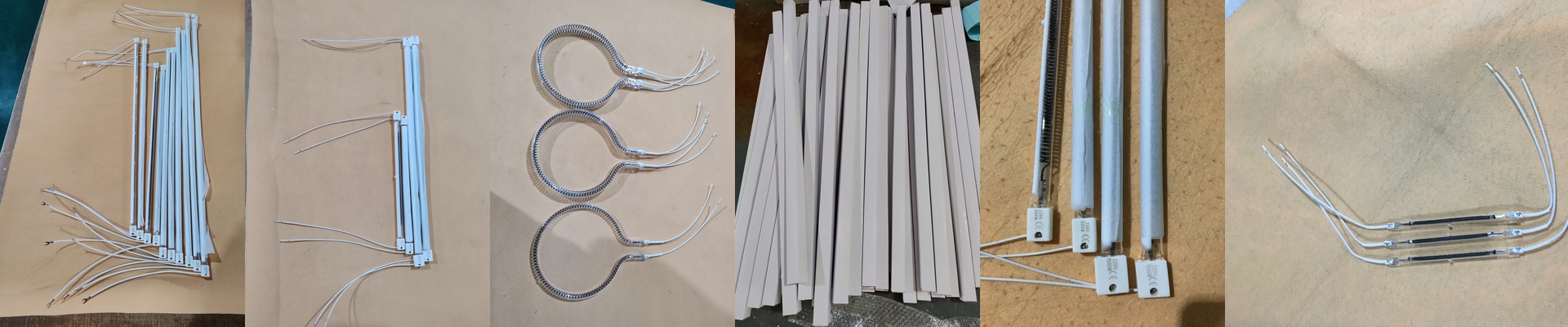
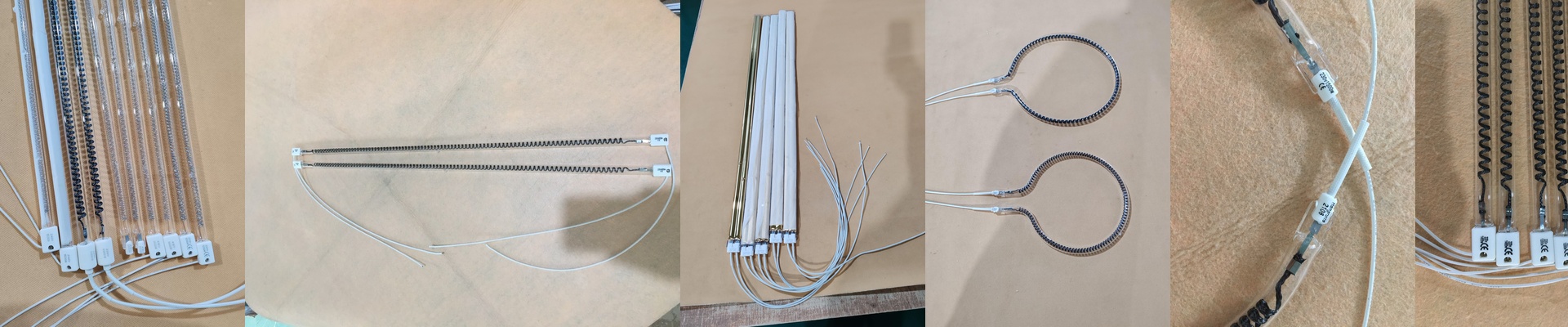
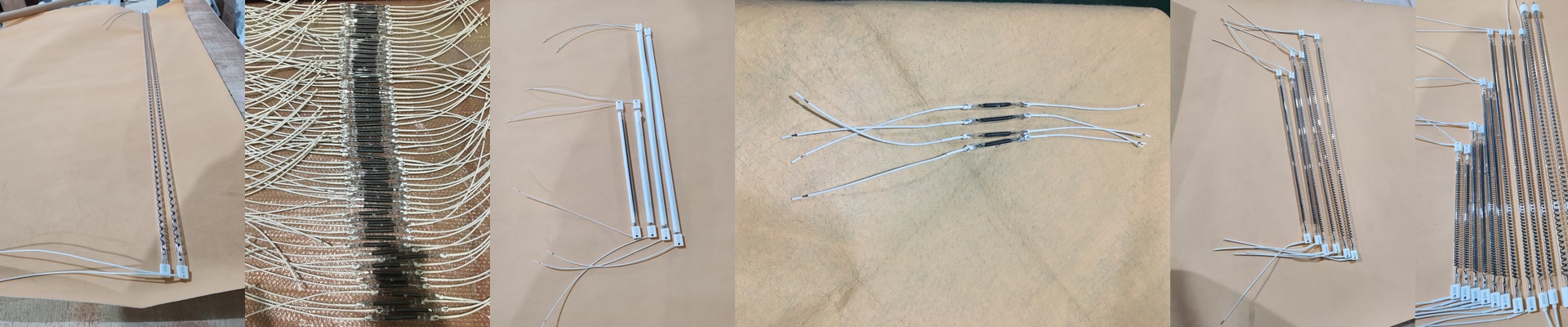
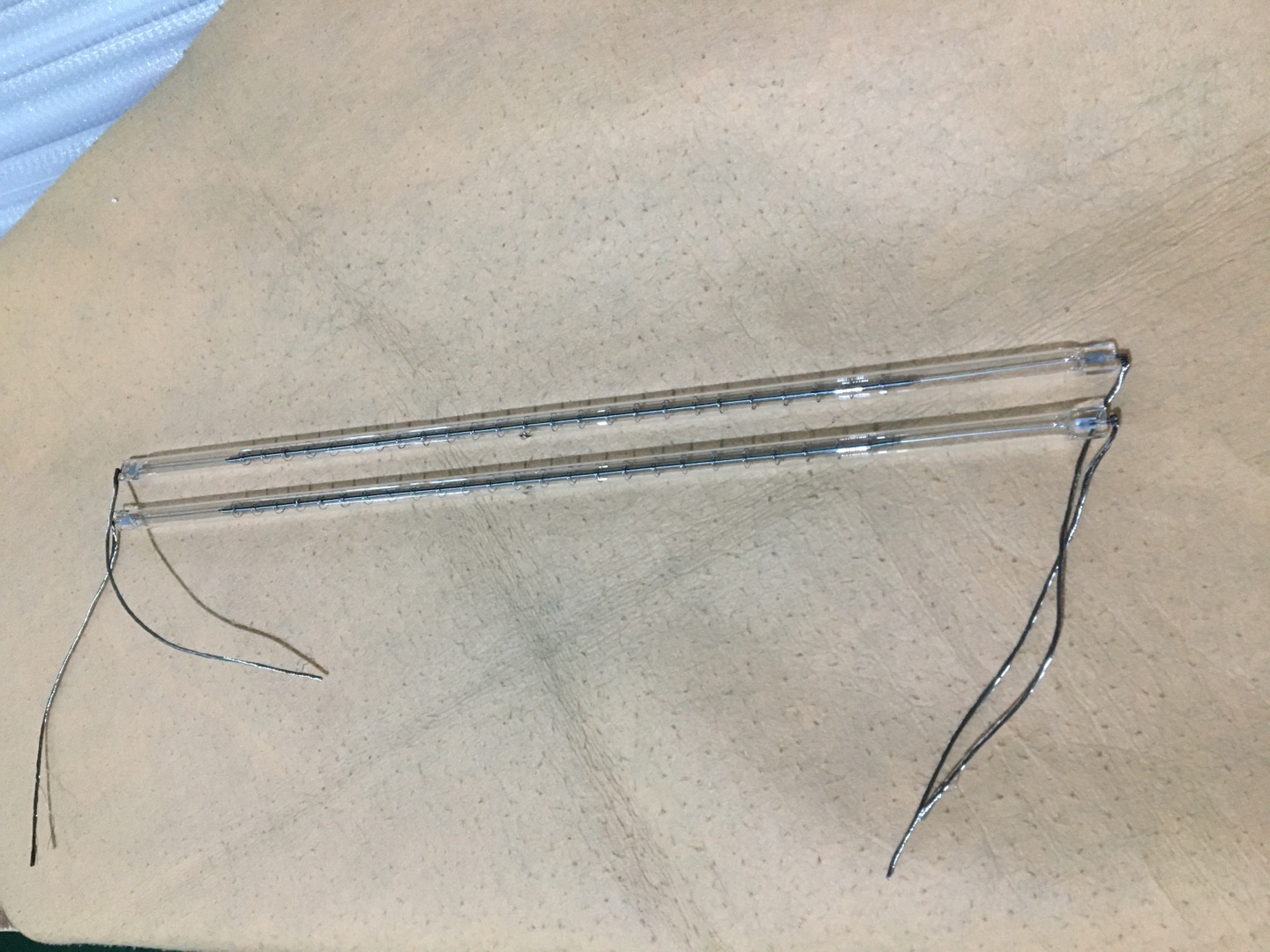
A Real-World Look at O-Shape Carbon Fiber Infrared Lamps
If you’re dealing with circular heating zones—think PET bottle blowing or curing circular molds—you’ve probably run into O-shape lamps. Instead of a straight tube, these wrap the heat into a closed loop. It’s a simple design, but it makes a huge difference in how the heat actually hits your product. Why carbon fiber? We moved away from traditional tungsten for a reason. Carbon fiber just holds up better. It doesn’t sag or snap when things get hot. But the real win is how the heat moves. It puts out medium-to-long wave infrared radiation. In plain English? It sinks deeper into plastics and polymers. You get the core of your material up to temperature without accidentally scorching the outside. The nitty-gritty on design These are built for tight spots. We wrap the filament in high-temp quartz glass to keep oxygen from eating away at the element. Depending on your setup, we can dial these in for 220V or 380V. One heads-up: if you’re going with a high-wattage version, double-check your wiring and contactors. Those cold starts can cause a sudden surge of current that might surprise your system. And a pro tip on installation: be careful with the mounts. You want a snug fit for the best heat transfer, but don’t crank them down too hard. Quartz expands when it heats up, and if it’s squeezed too tight, it’ll crack. The trade-offs The best part? They’re fast. Like, “flip the switch and it’s hot” fast. The downside is that the quartz is fragile. One clumsy move during a swap and you’ve got a broken tube. I also highly recommend using a PID controller. If you just blast the lamp beyond its rated wattage, you’re basically inviting it to burn out early. A little control goes a long way in making these last.