Let’s Talk About Carbon Fiber Heating Lamps
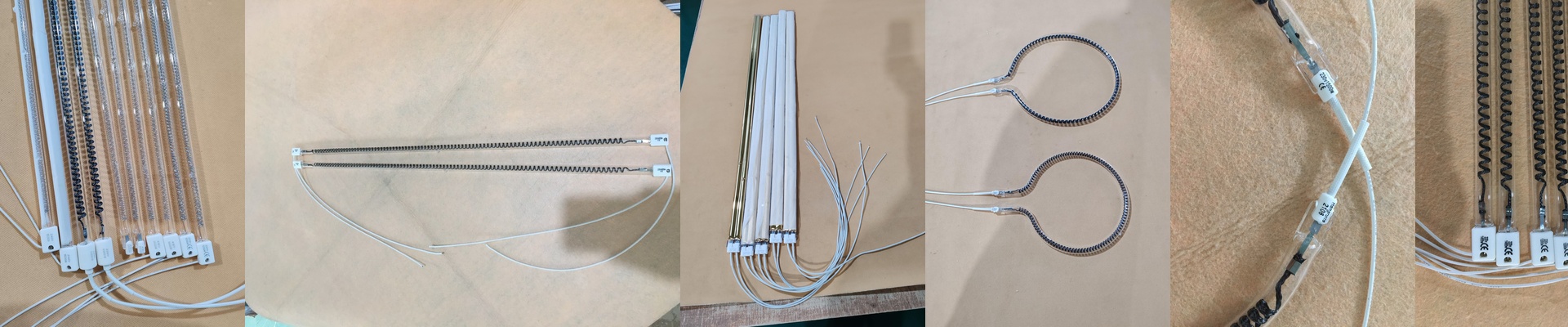
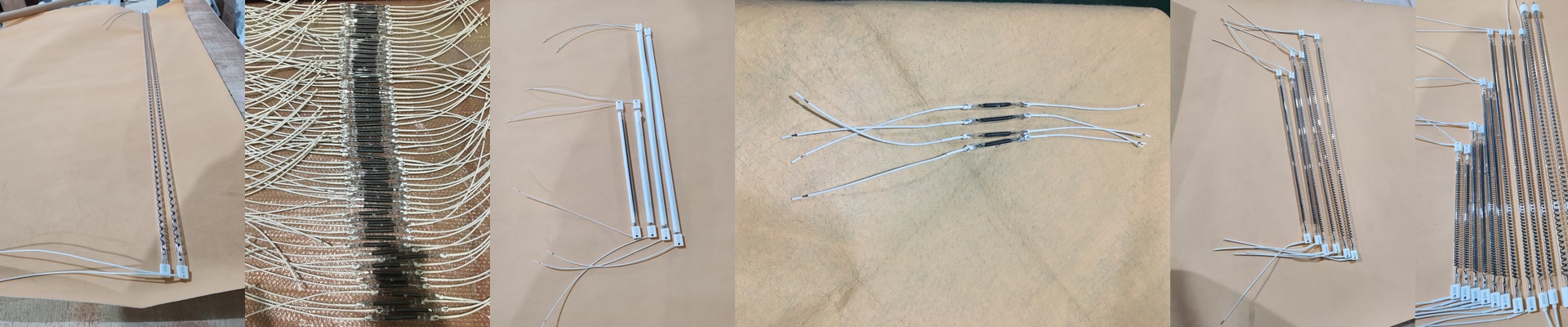
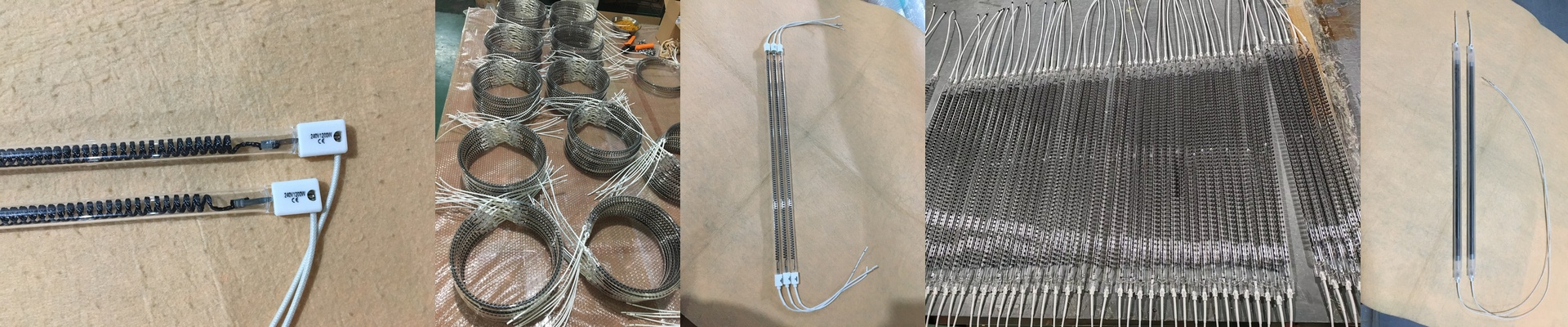
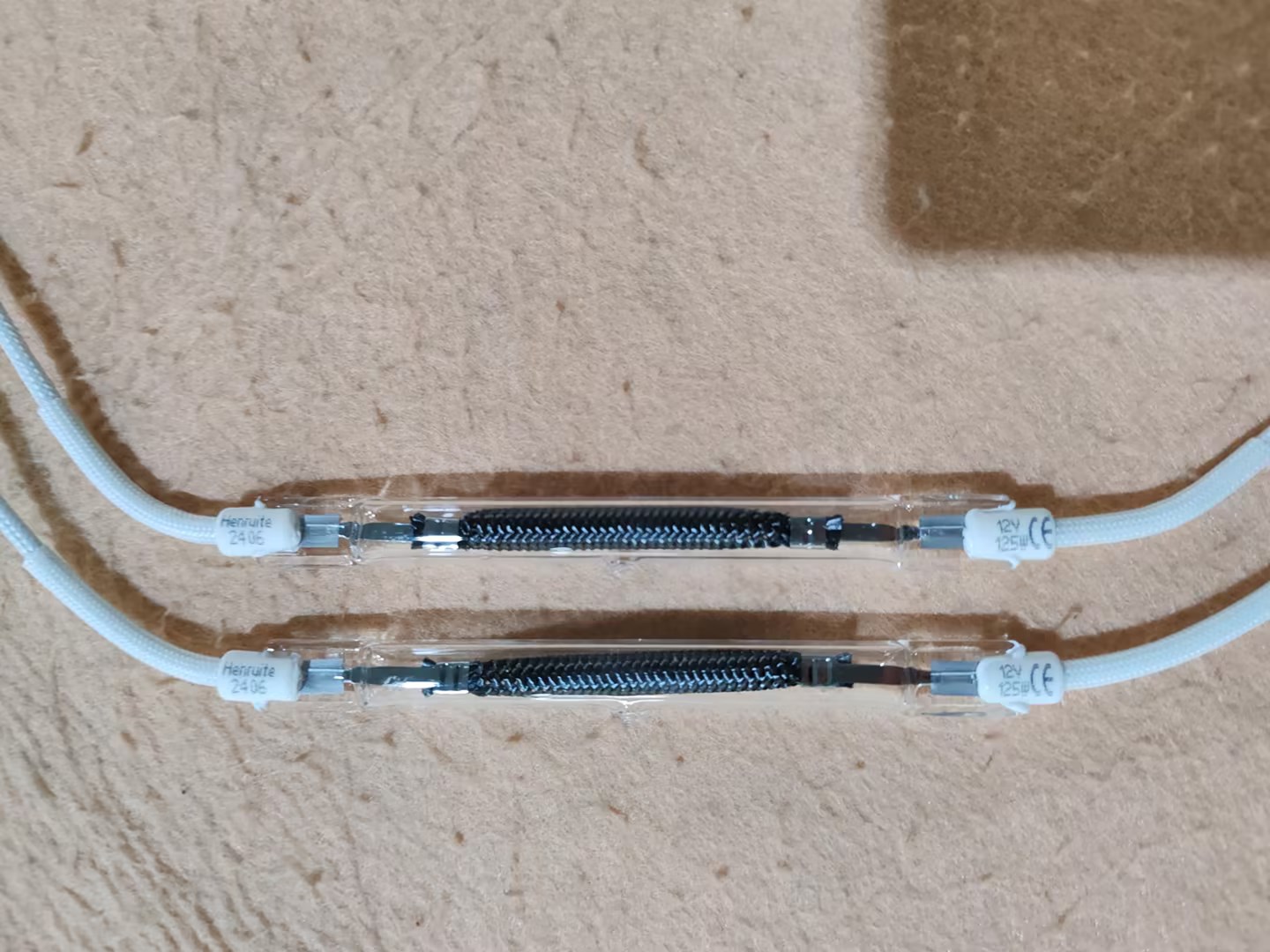
Ever wonder how those carbon fiber heating lamps actually work? It’s pretty simple. We take a carbon fiber filament, tuck it inside a quartz tube, and run electricity through it. That converts the power into infrared radiation. The result? Heat that hits your target almost instantly. If you’re tired of waiting forever for your equipment to warm up, this is why these lamps are such a win.
Getting the Power Right
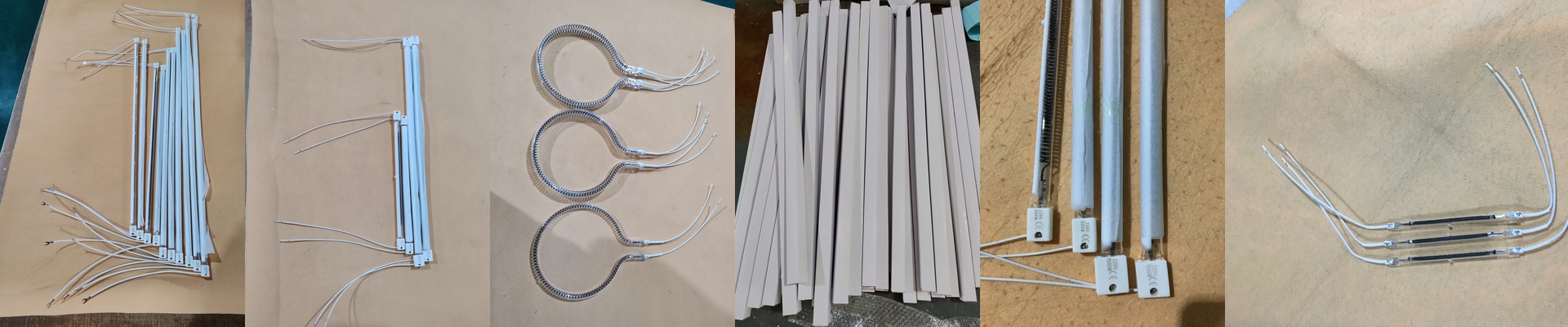
When you’re picking a lamp, it all comes down to voltage and wattage. Think of it as the “punch” the lamp delivers. If you cram more wattage into a shorter tube, you get a much higher power density. That’s exactly what you want when you’re running fast cycles and can’t afford to lose a second. We also make sure everything is CE certified. That’s just a fancy way of saying the wiring won’t melt or freak out your other factory electronics when things get hot. It’s about peace of mind.
The Build: Why Carbon Fiber?
We use carbon fiber for the core because it’s tough. Unlike the old-school nichrome wires, carbon fiber doesn’t expand nearly as much when it gets scorching hot. To keep the filament from burning up, we seal it in a high-purity quartz envelope. If your shop is messy—maybe you’ve got chemical splashes or need a specific kind of heat—we can coat the tubes to protect the glass or tweak the heat spectrum. One quick tip: these usually use standard connectors, so swapping them out is a breeze. Butmake sure that connection is tight. A loose fit causes arcing, and that’s the fastest way to fry your terminal.
Real-World Use (And a Few Warnings)
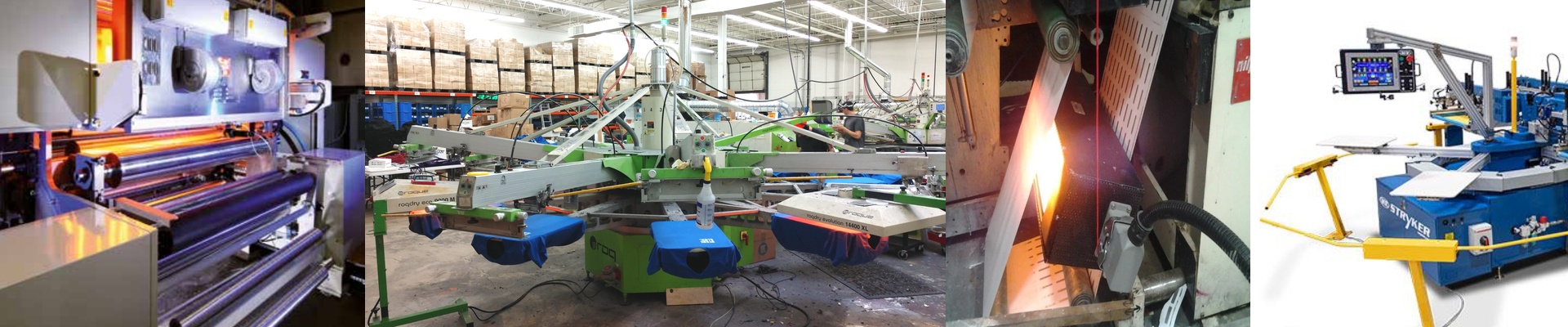
These lamps are absolute beasts for PET blowing, curing paint, or welding plastics. They’ll beat a ceramic heater in a race every single time. But here’s the thing: that heat is intense. You have to think about the “thermal footprint.” Since these lamps blast radiant heat, your housing and reflectors need to be able to take the heat. If your cooling system is underpowered, you might end up warping your machine frame or killing your sensors. And for heaven’s sake, use high-temp leads for your wiring. Nobody wants to deal with melted insulation in the middle of a shift.