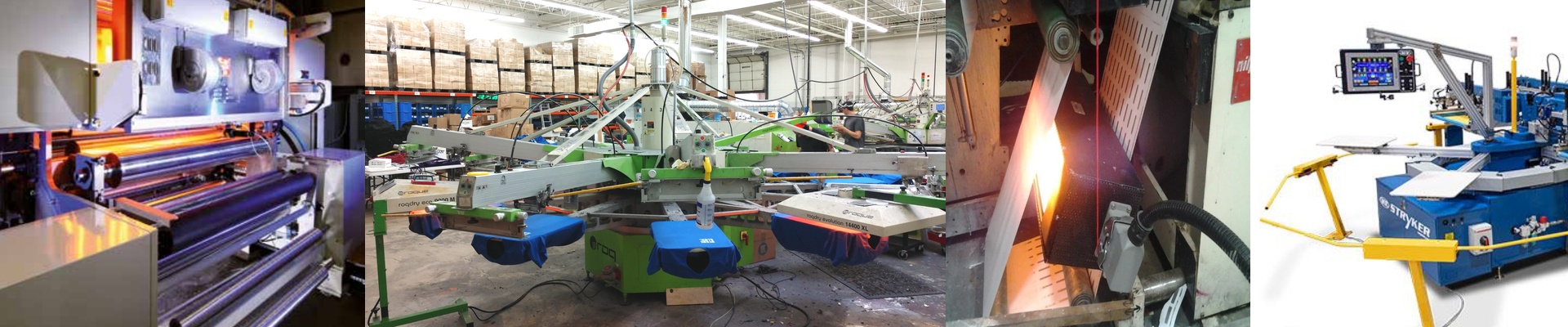
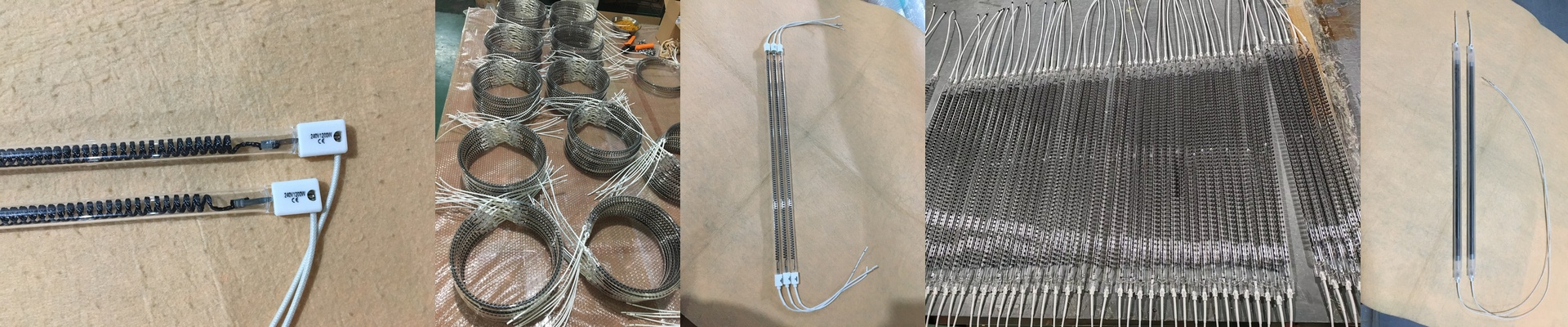
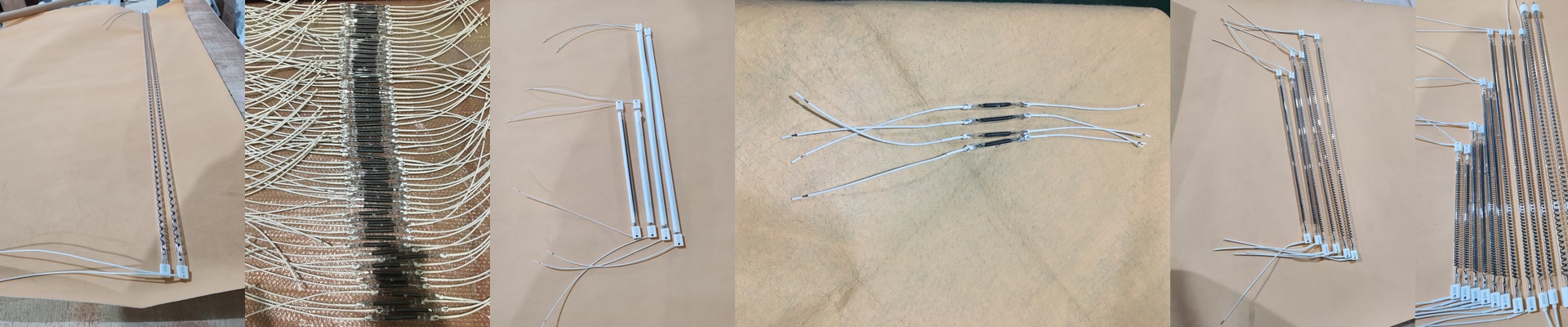
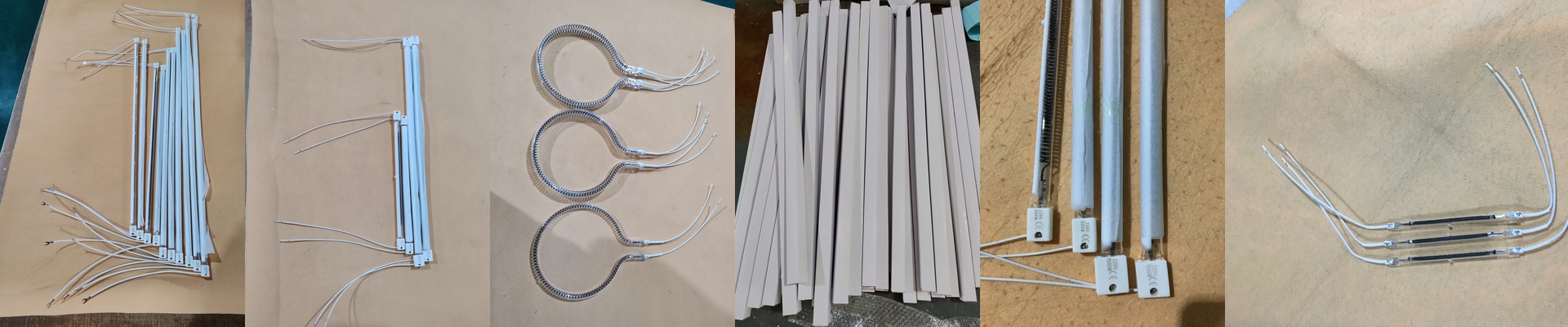
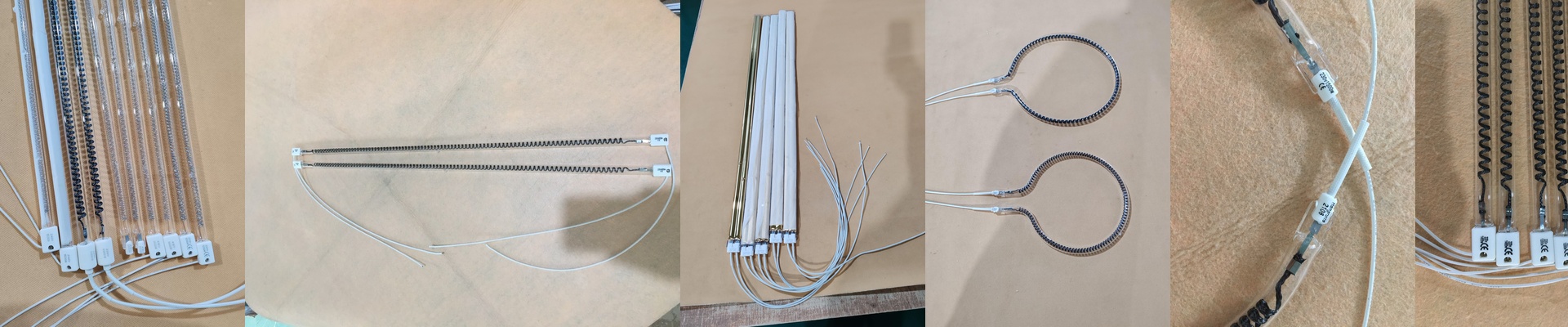
Let’s Talk About the 640mm 2600W Carbon Fiber Heating Lamp
We built this lamp for those moments when you need a massive amount of heat, and you need it now. Most people are used to old-school metal alloy elements. Those are fine, but they’re slow. We switched to a carbon fiber filament instead. The result? It hits your target temperature way faster and keeps the heat steady across the entire 640mm length. No cold spots. No waiting around.
Packing a Punch
Putting 2600W into a 640mm frame creates some serious heat density. We did this on purpose. If you’re dealing with thick materials or a conveyor belt that’s flying by, you can’t afford to lose surface temperature. This lamp punches through. It gives you such a concentrated blast of energy that you can actually move the lamp further away from your workpiece and still get the job done. But, a fair warning: 2600W getshot. Really hot. Don’t skimp on your cooling fans or ventilation. If you don’t move the ambient air, you’re looking at melted sockets or a fried control board. Trust me, just double-check your airflow.
Why Carbon Fiber?
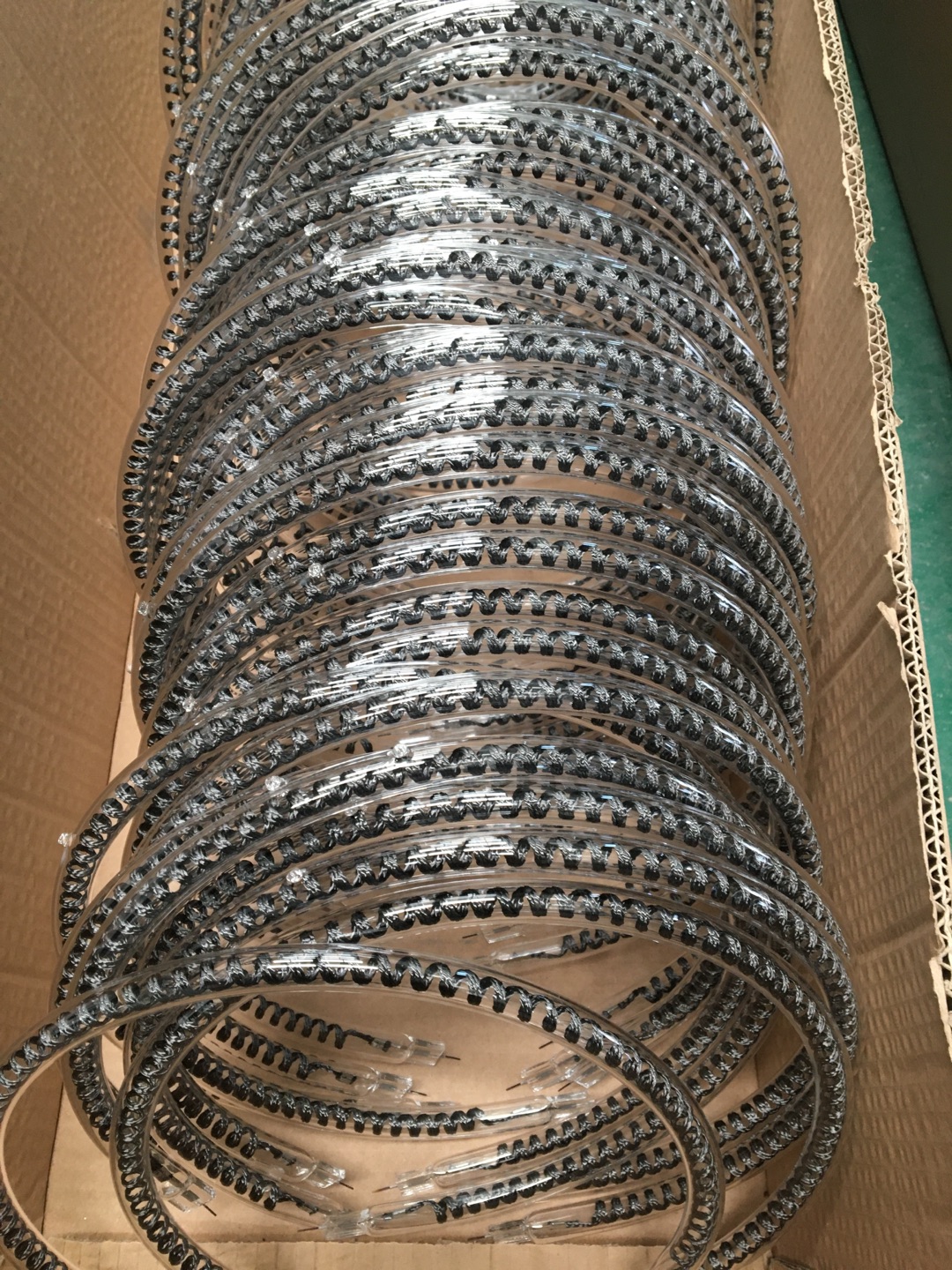
Carbon fiber can take a beating at temperatures that would make standard tungsten give up. That means your lamps last longer. It also changes the “flavor” of the heat. It pushes more energy into the medium-to-long wave infrared range. To keep everything stable, we wrap the filament in a high-purity quartz envelope. This keeps the carbon from oxidizing and makes sure the heat radiates outward instead of just drifting away with the air.
Getting It Up and Running
We wanted these to be easy. They’re designed to slide right into your existing industrial heaters without a headache. The mounting is standard, so the wiring is pretty painless. One quick tip: carbon fiber doesn’t react to electricity the same way metal does. When you first flip the switch, there’s a big “inrush” of current. Make sure your power supply can handle that initial surge. And if your voltage tends to jump around, throw in a PID controller. It’ll keep the filament from burning out prematurely. It’s a lifesaver for things like PET blowing, curing paint, or welding plastics where you need the heat to be exactly right, every single time.