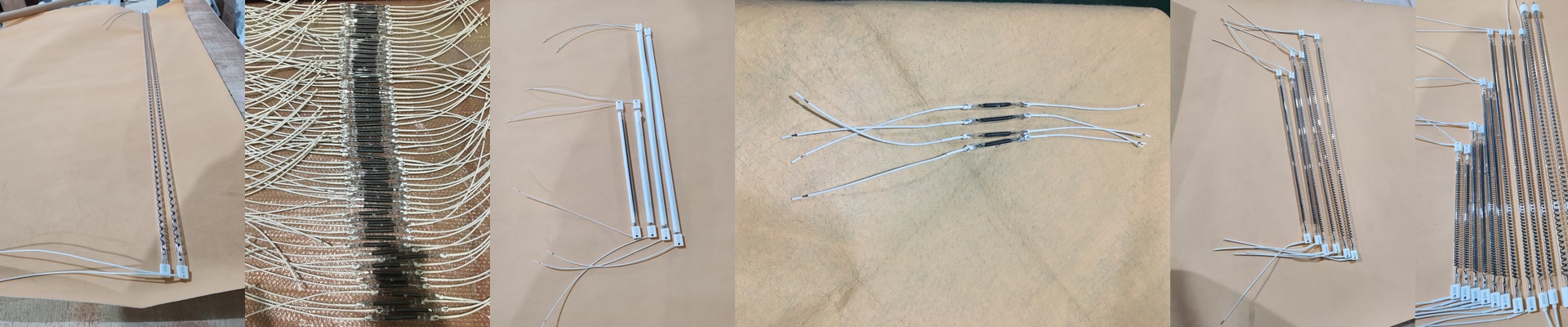
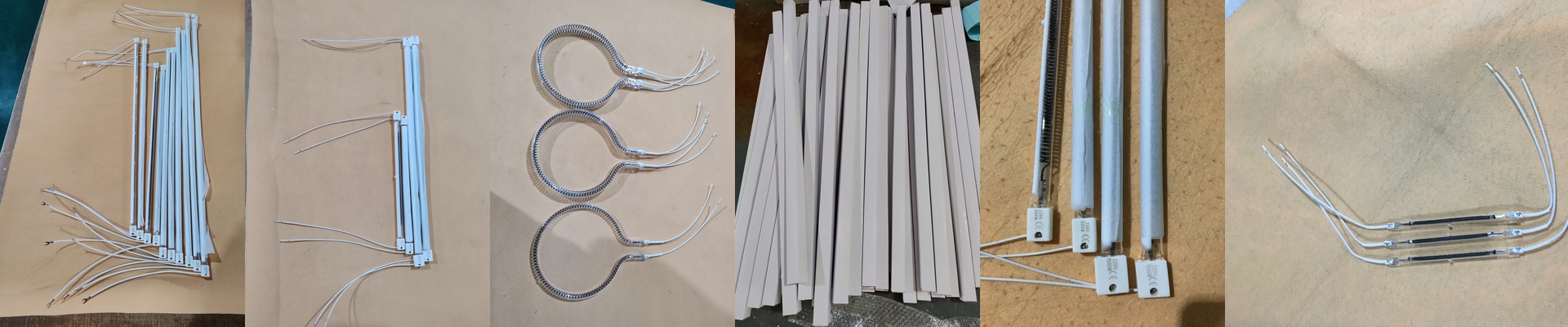
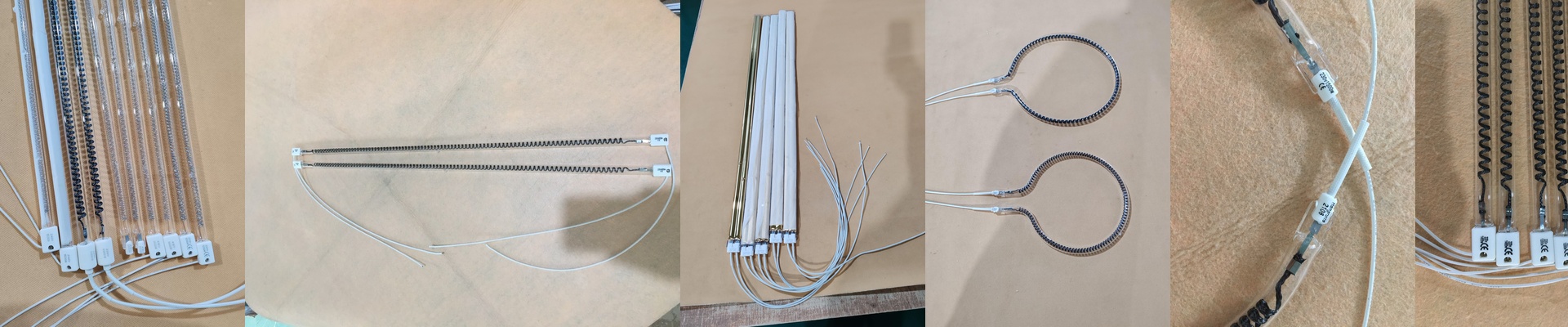
Getting the Heat Right: The 1500W 500mm Twin-Tube Gold Lamp
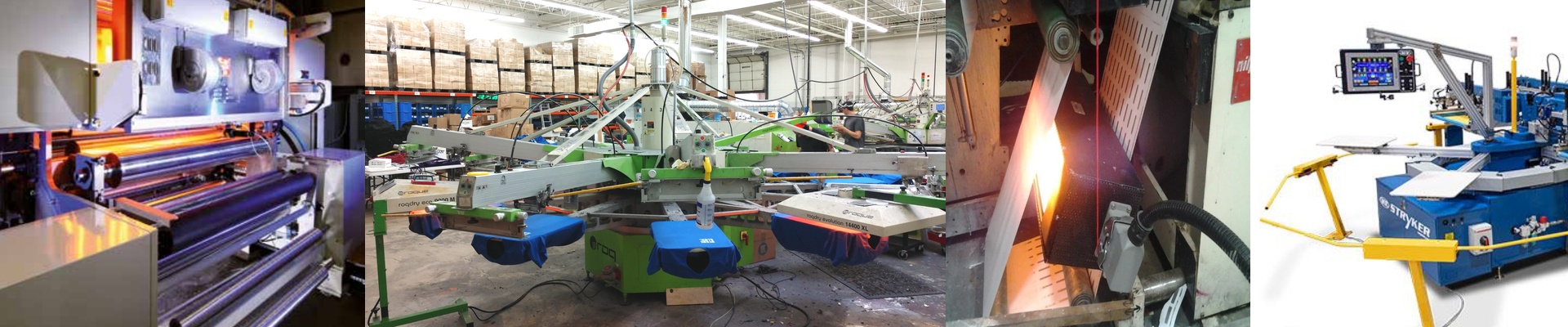
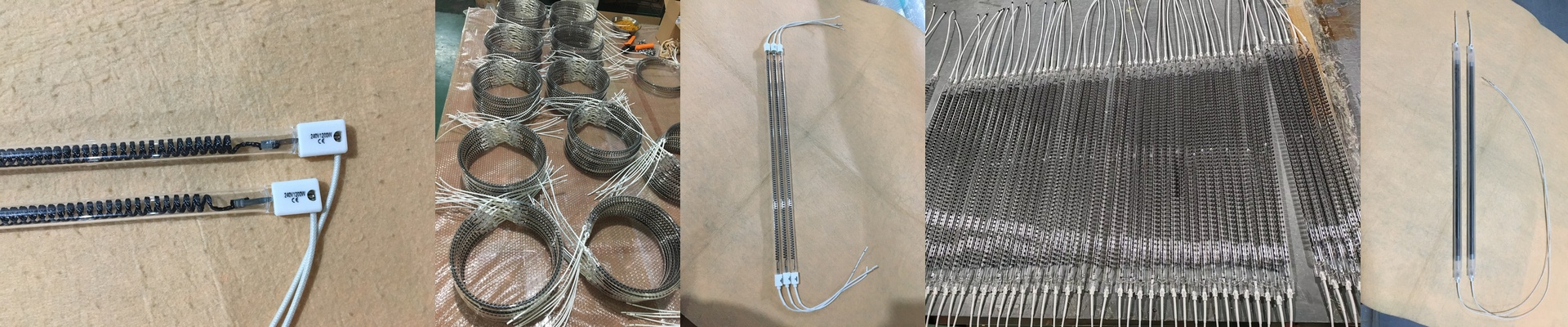
If you’ve ever run a high-end printing press, you know the struggle. You need the ink to set perfectly, but if you push the heat too hard, you’ll scorch the material and ruin the whole batch. That’s exactly why we built this 1500W twin-tube gold lamp. We don’t just see it as a heater—it’s more like a precision tool for getting your energy output exactly where it needs to be. The magic of the twin-tube setup Here is the thing about power density. We’ve got 1500W packed into a 500mm length. By using two tubes instead of one, we basically double the surface area without taking up any extra room in your machine. What does that actually mean for you?Faster line speeds. You get more infrared energy hitting the target, which means you can move your press faster. Now, you might wonder why we don’t just crank up the wattage in a single tube. Simple: if you push too much power into a short space, the filament burns out way too fast. 1500W is that “just right” spot where you get massive output without sacrificing the life of the lamp. Why the gold? We coat the quartz envelope in gold, and no, it’s not just to make it look fancy. Standard clear quartz lets heat bleed out in every direction, which is a waste. The gold layer acts like a mirror, pushing all that infrared radiation forward, straight onto the ink. It keeps the heat out of your machine’s housing and puts it exactly where it belongs. It’s just a much smarter way to handle thermal efficiency. Fitting them into your gear A lot of the big global brands use our tubes because we’re obsessive about the small stuff—like the end-caps and voltage drops. We make sure these are true drop-in replacements, so you aren’t spending your weekend hacking away at your equipment to make them fit. But a quick heads-up: that gold coating makes the quartz surface run hotter. Check your fans. If your airflow is weak, the envelope can overheat and crack, which is a headache nobody wants. Just take a quick look at your ventilation paths before you wire up a full bank of these. Once the air is moving, you’re good to go.