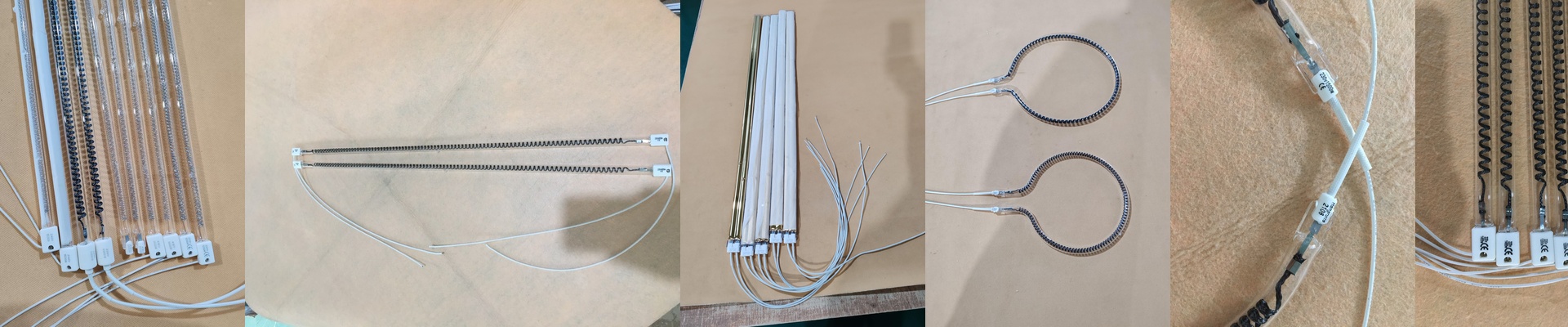
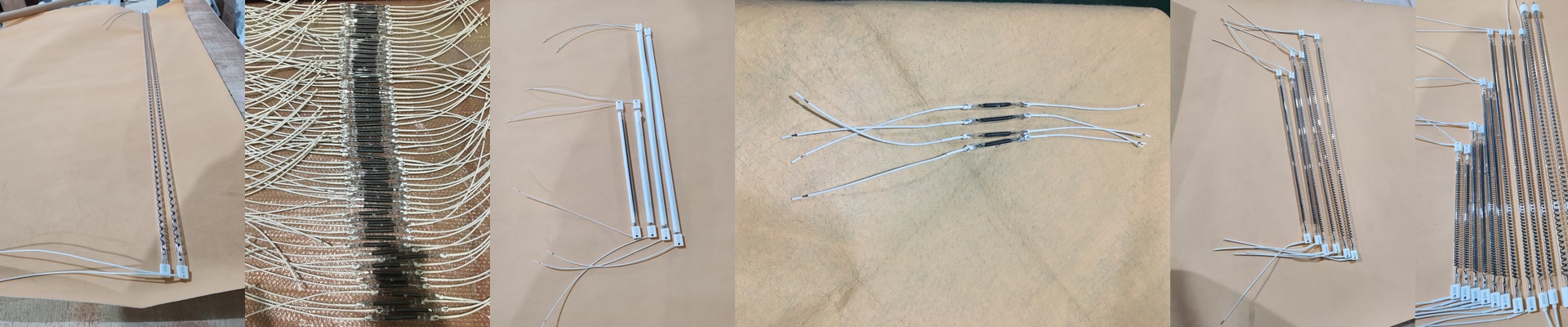
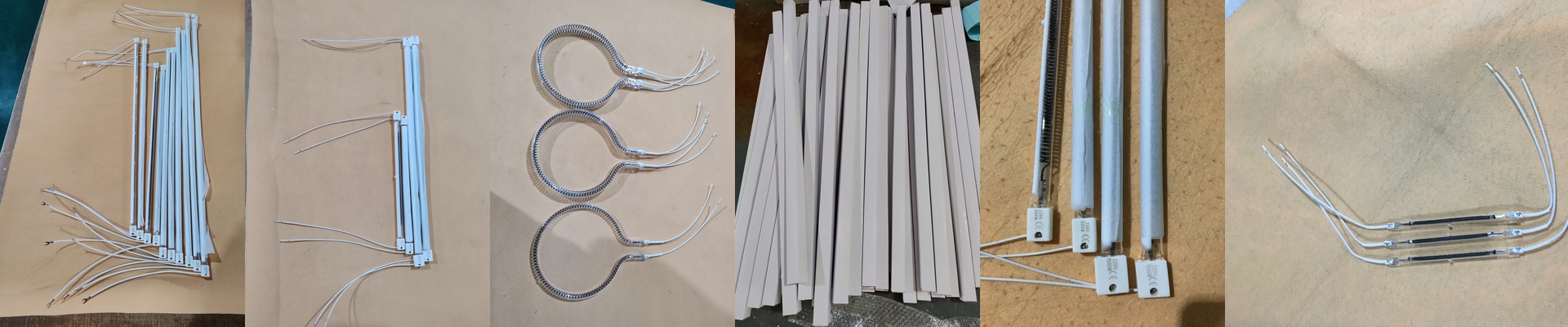
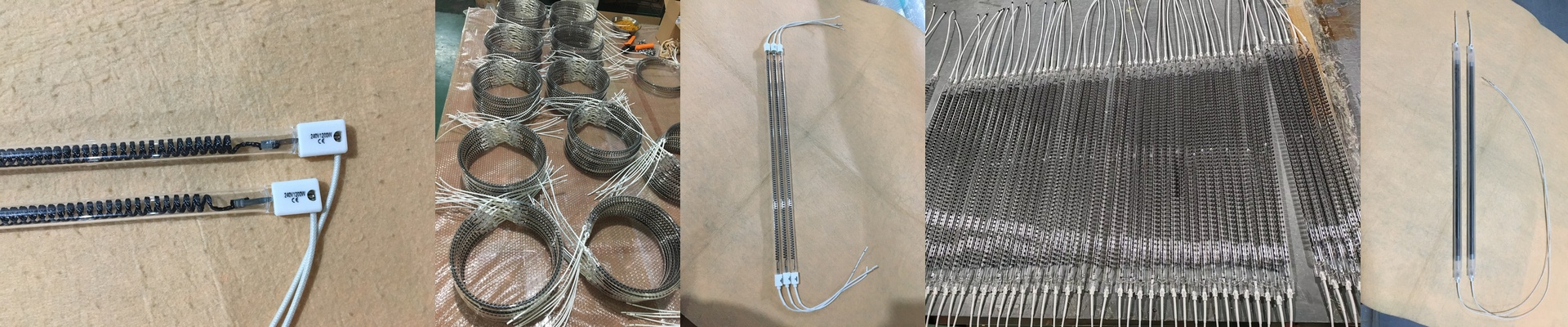
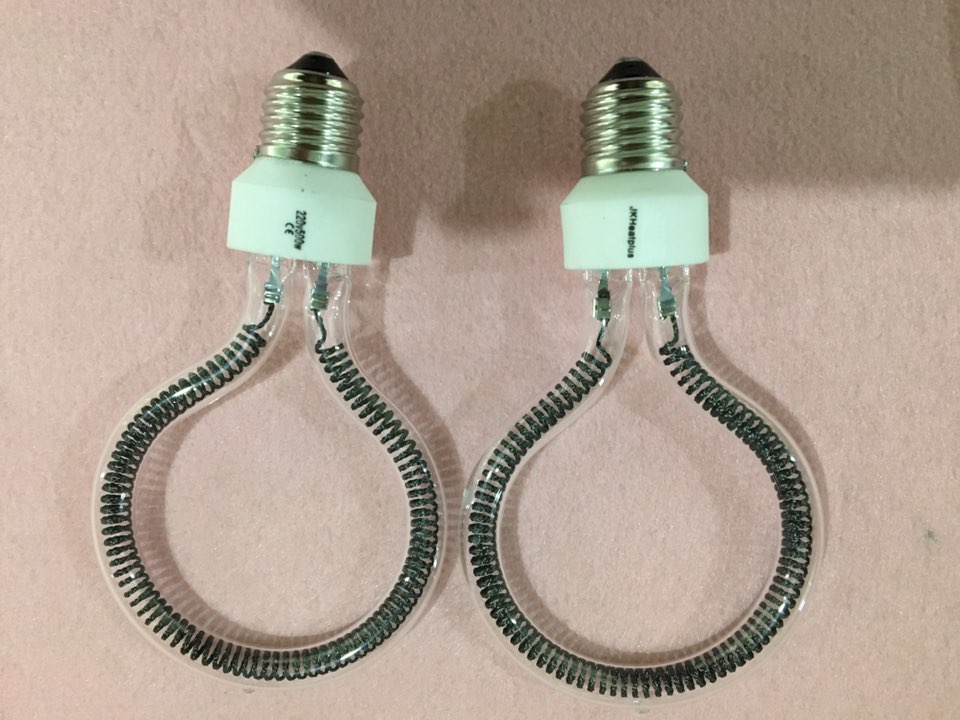
Let’s Talk About the 220V 1500W Carbon Fiber Heating Tube
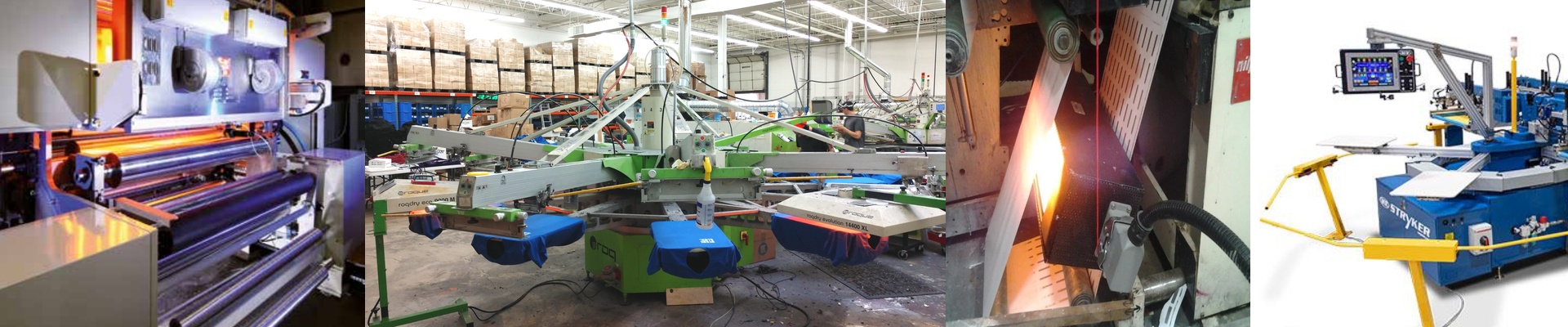
Most people are used to standard nichrome wire, but these carbon fiber elements are a different beast. We take a carbon fiber filament, tuck it inside a quartz glass envelope, and let it blast infrared radiation. At 1500W and 220V, the heat density is intense. It doesn’t just warm up the air; it hits your target material almost instantly. Watch your power draw Here is the thing: a 1500W rating at 220V means you’re pulling about 6.8 amps per tube. That doesn’t sound like much until you start wiring them into a bank for a shrink tunnel or a drying oven. Then, the numbers climb fast. Make sure your wiring and contactors can actually handle the total load. The upside? These things are incredibly snappy. They hit operating temperature in seconds, so you aren’t standing around waiting for the machine to warm up. Why carbon fiber? The core is where the magic happens. It puts out medium-to-far infrared waves. Unlike those halogen lamps that rely on a gas-filled arc, carbon fiber spreads the heat evenly across the whole tube. This is a huge win because you don’t get those annoying hot spots that end up scorching your product. Just be careful with the glass. The quartz protects the filament from burning out, but if that glass cracks, the filament is gone in a heartbeat. The trade-offs (and how to avoid headaches) If you’re swapping these into an old IR heater, they usually drop right in. You’ll notice the ramp-up time is way faster. But there’s a catch. Carbon fiber is more brittle than metal coils. If your equipment shakes a lot or takes a few mechanical knocks, these tubes won’t last nearly as long. A couple of pro tips: First, check your mounting brackets. Make sure they aren’t squeezing the quartz glass. Second, use a PID controller. You don’t want the temperature to overshoot. If you push these tubes to 110% capacity, you’re just asking for them to burn out early. Keep it steady, and they’ll treat you well.