Getting Your MHM Heating Lamps Right
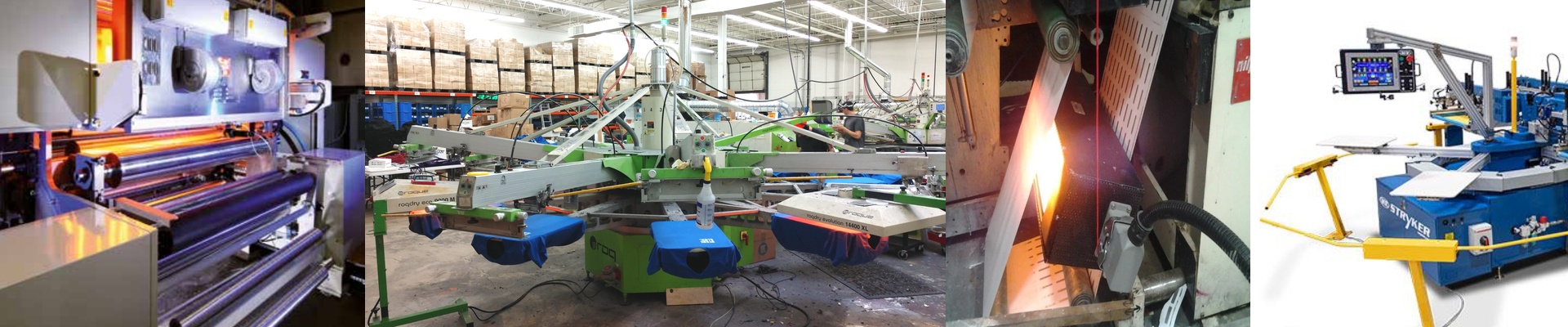
When you’re hunting for a replacement lamp for your MHM system, it’s easy to think you’re just buying a lightbulb. But it’s a bit more complicated than that. You’re actually trying to replicate a very specific heat pattern. If you want your curing to look and feel exactly like it did when the machine left the factory, you’ve got to get the wattage, voltage, and wavelength just right. If those don’t line up with your power rails, you’re going to have a bad time.
Why the “Heat Profile” Actually Matters
MHM machines use short-wave infrared to flash-dry ink. The goal is to set the ink quickly without scorching the fabric. We build our lamps to hit those original specs exactly. Here’s why: if the wattage is too low, your production line crawls. You’re wasting time. But if you go too high? You risk frying the heating elements or, even worse, ruining a garment. It all comes down to heat density. We obsess over the surface load of the quartz tube so the energy hits the platen evenly, rather than leaving hot spots.
The Gear Under the Hood
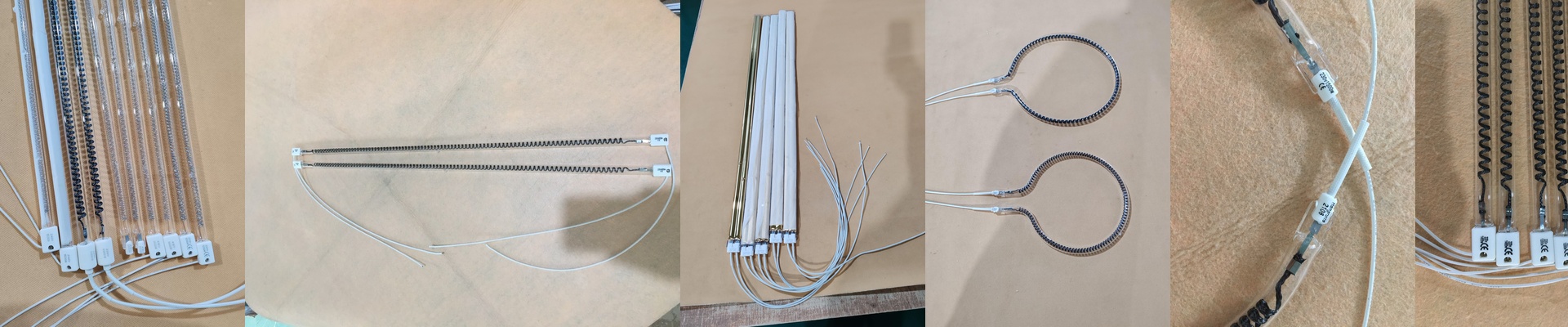
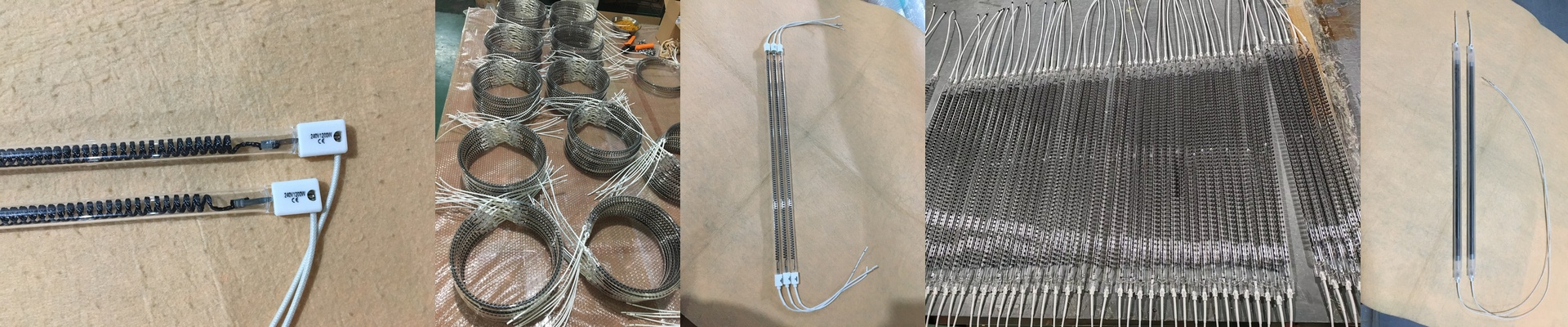
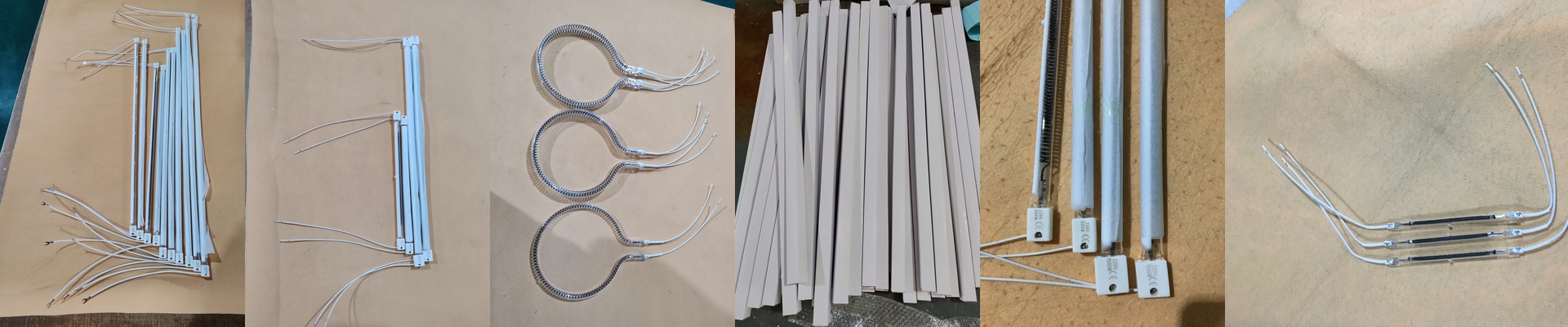
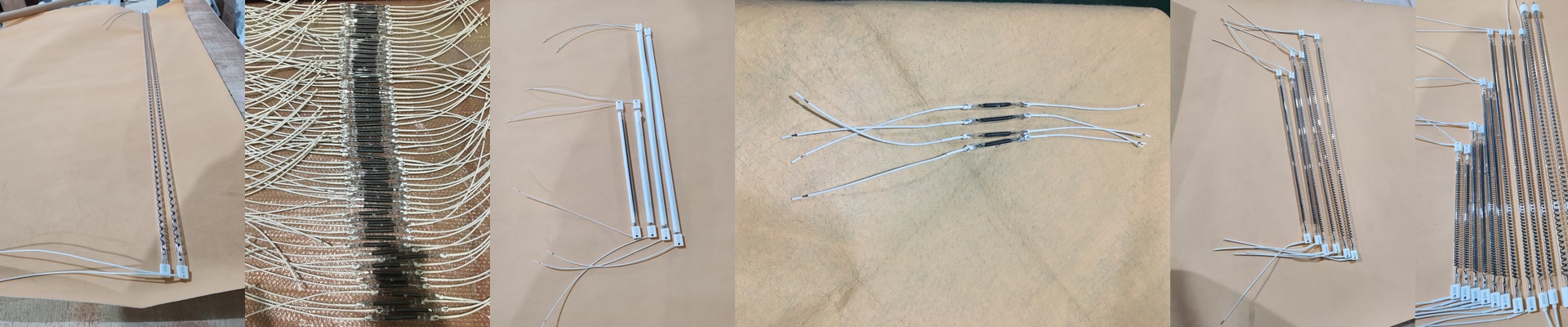
We use high-grade quartz glass and halogen gas fills. This lets the lamps run hotter than your average IR bulb, which means they ramp up to temperature way faster. And since we use standard connectors—think R7s or Sk15—you can just plug them in. No need to start hacking away at your machine’s chassis. Plus, we have coated options. These are great because they push the heat directly into the ink layer instead of letting it bleed out into the surrounding air. It’s just more efficient.
A Quick Word of Caution
High-output lamps put out a massive amount of heat. Because of that, you need to make sure your ventilation can actually keep up. If your exhaust is clogged or dusty, even the most expensive lamp will overheat the housing. Do yourself a favor: check your airflow before you swap in a higher-wattage bulb. It’ll save you a lot of headaches.