Swapping Out Your KTK Oval Heaters Without the Headache
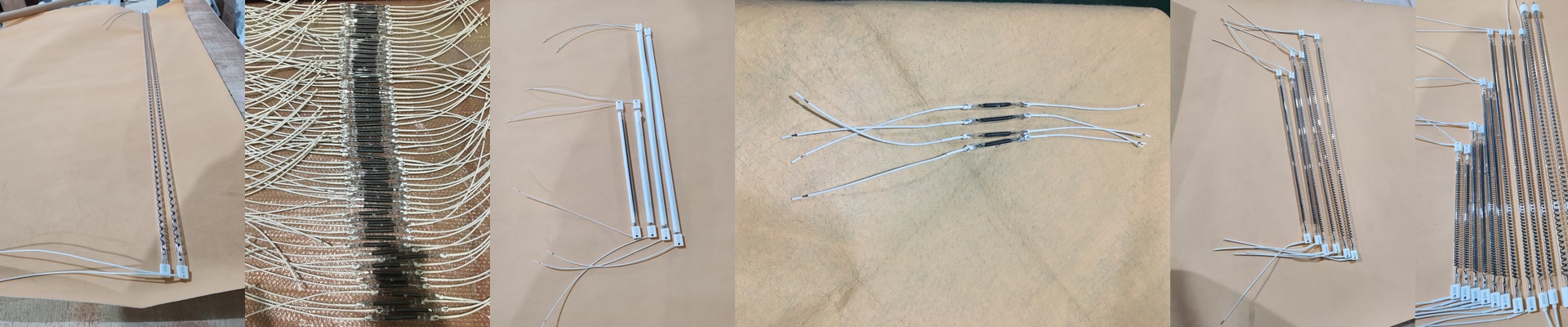
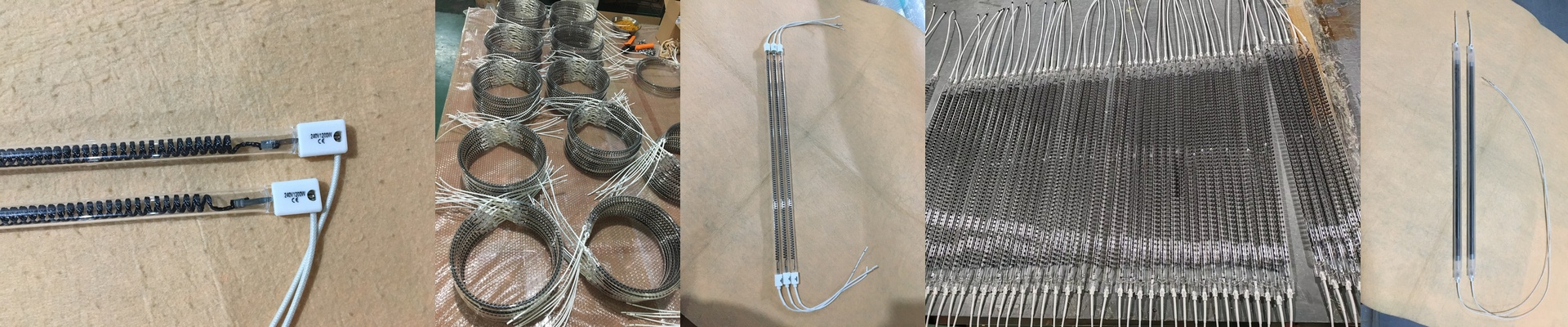
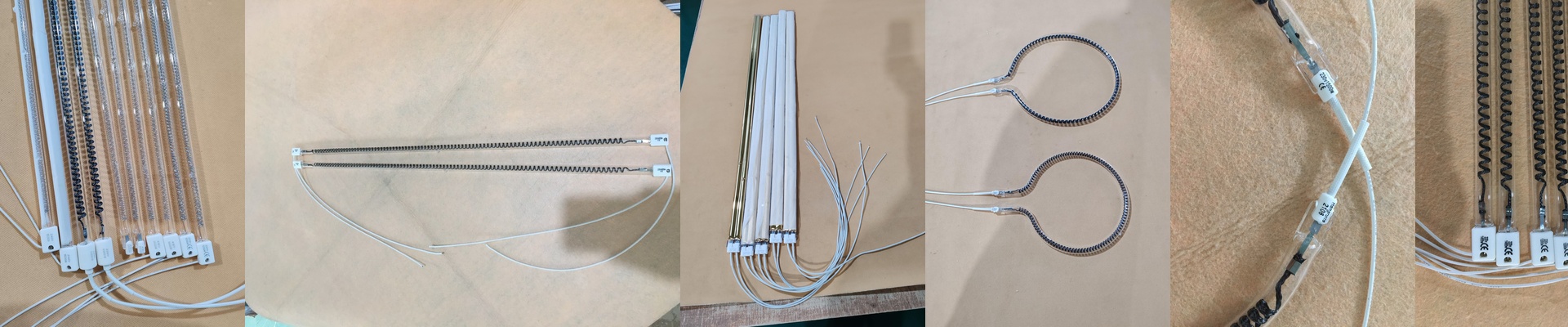
Look, replacing heating elements in a KTK oval printing machine isn’t as simple as just grabbing any lamp with the right wattage. If you do that, you’re asking for trouble. You need something that actually fits the space you’ve already got—no drilling into the chassis, no hacking the wiring, and definitely no “making it work” with duct tape. That’s why we build our quartz halogen dryers to be a direct swap. We focus on the tiny details—the exact millimeters and the electrical guts—so they just slide right in. The nitty-gritty on specs Here’s the thing about a 1:1 replacement: the voltage and length have to be spot on. If the wattage is too high for your transformer, you’re going to blow a fuse or fry your contactors. Not a great way to start a shift. We match the ohms and voltage of the KTK system exactly. That way, your current draw stays right where it should be. And the physical size? It has to be perfect. If the tube is a hair too long, it won’t seat in the sockets. Too short, and you get cold spots on your ink. Neither is acceptable. What’s actually inside We use high-purity quartz glass to protect the tungsten filament. We also use a halogen cycle, which basically stops the filament from evaporating too fast. In plain English? Your lamps last longer. These things put out short-wave infrared radiation. It hits the ink hard and fast, triggering evaporation almost instantly. Plus, we use standard industrial connectors (like R7s or the specific KTK pins), so you can just wire them up and get back to work without breaking out the soldering iron. A quick reality check on installation These lamps gethot. Like, really hot. While that’s great for curing ink quickly, it means your reflector plates need to be spotless. If you’ve got dust or ink splatter on those reflectors, the heat gets trapped. That’s how quartz tubes overheat and crack. Before you flip the switch on a new set of high-wattage tubes, double-check your cooling fans. If they aren’t humming along, you risk warping the entire housing. It takes two minutes to check, but it saves you a massive headache later.