Stop Wasting Heat: Getting Your Sulfet Rotary Printer to Actually Perform
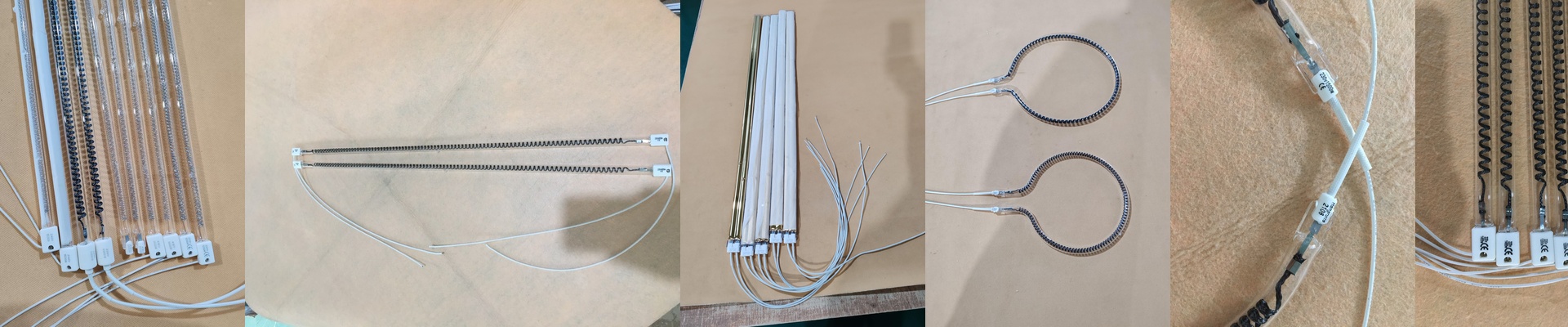
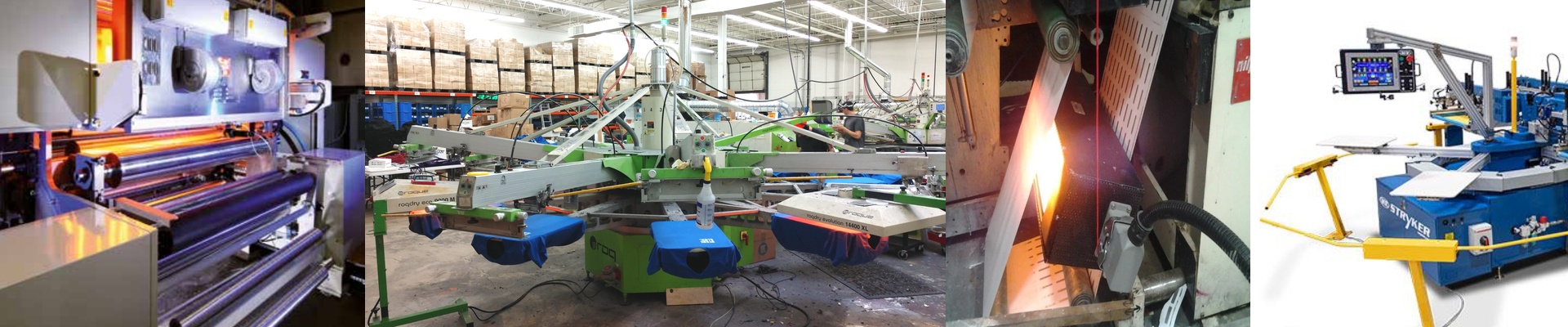
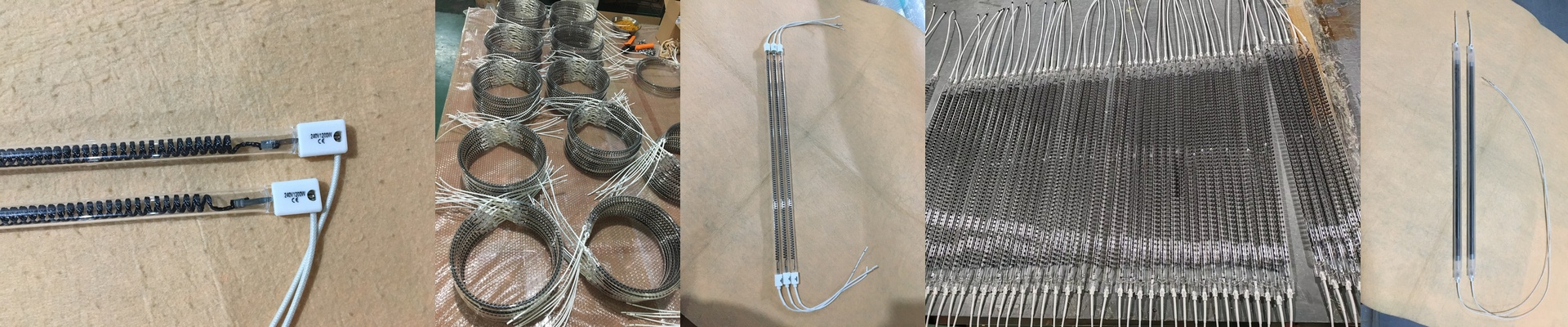
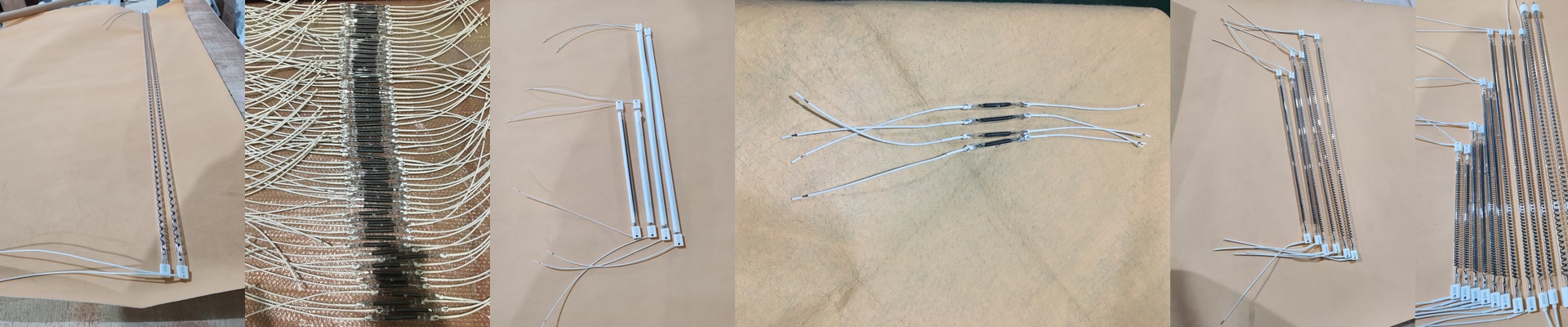
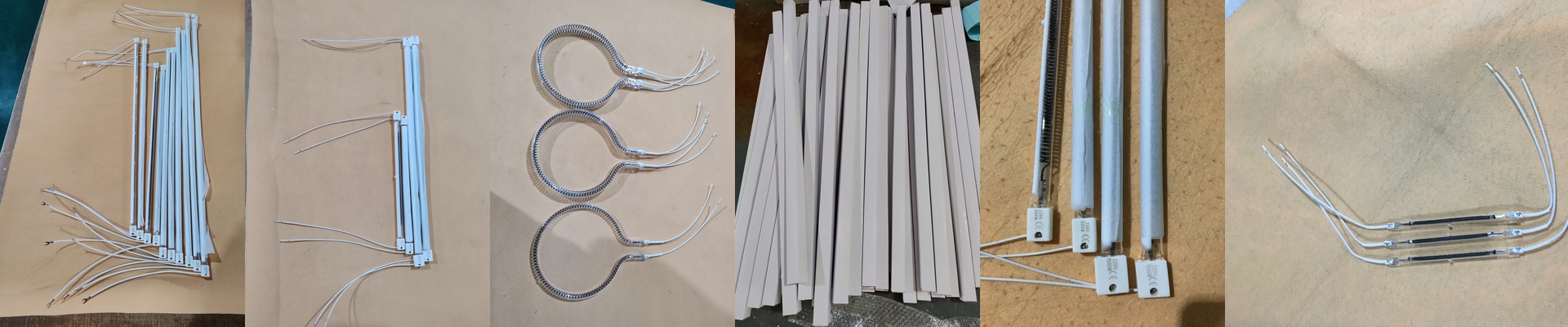
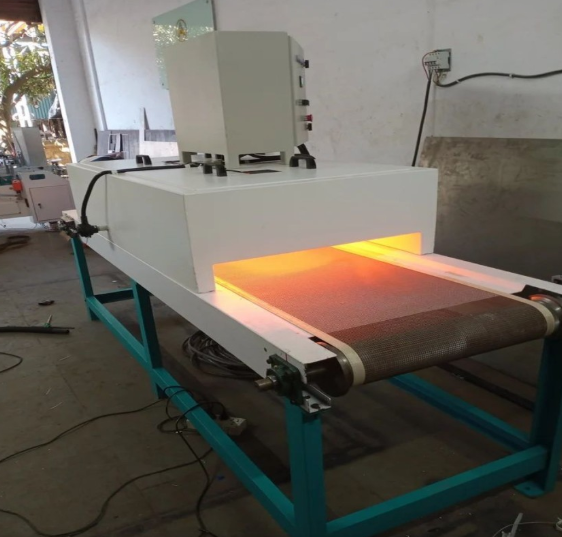
If you’re running a Sulfet rotary machine, you know the drill. The flash dryer is the heart of the operation, but here’s the problem: IR lamps are messy. They throw heat in every single direction—360 degrees of energy. Without a solid reflector plate, you’re basically paying to heat up your machine frame. It’s a waste of power and a waste of time. How the reflectors actually work Think of these plates as a mirror for heat. We shape them into a curve to catch those short-wave infrared rays and shove them right back down onto the fabric. When you concentrate that heat exactly where the printing nip is, the energy doesn’t have to travel as far. That means your fabric cures faster. It’s a simple fix, but it makes a massive difference in how quickly you can move your product through the shop. Picking the right material Depending on your budget and how hard you push your machines, you’ve got a couple of options. Most shops go with high-grade polished aluminum. It’s the standard, it works great, and it’s an easy drop-in replacement. But if you’re running extreme temperatures and want something that won’t oxidize over time, gold-coated alloys are the way to go. They cost more, obviously, but they hold up under the most brutal heat. One quick tip:**get the fit right.**If the plate is off by even a few millimeters, you’ll end up with “cold spots” on your fabric. That’s how you get uneven drying and the nightmare of ink bleeding. Keeping things running smooth Swapping these out is pretty straightforward. You slide them into the holder, wire up your tubes, and tweak the distance until it feels right. But here is where most people mess up:the cleaning. These plates live in a world of lint and ink splatter. Once a layer of dust settles on that mirror surface, your heat output tanks. You’ll need to wipe them down with non-abrasive solvents. Be gentle. If you scratch the coating, you scatter the heat beam instead of focusing it. Once that happens, you lose the intensity, and you’re right back to square one.