Introduction
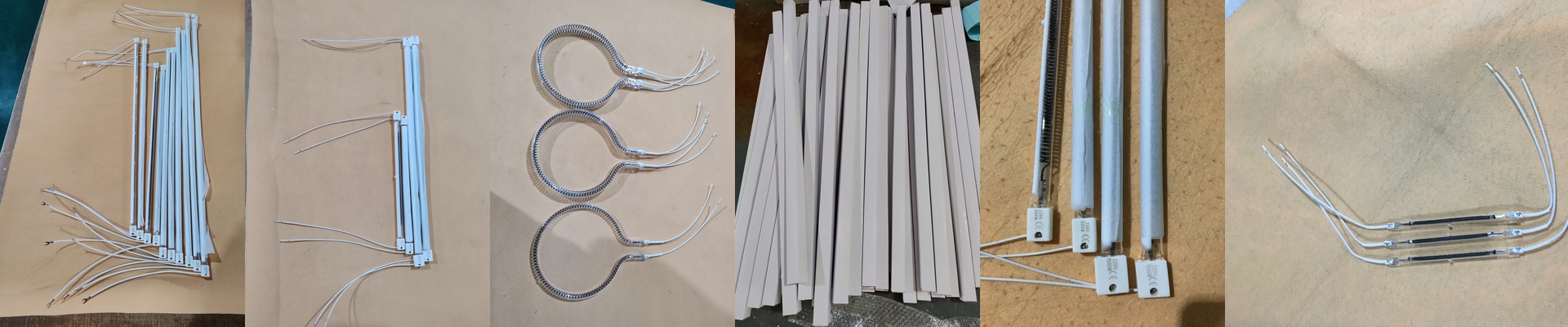
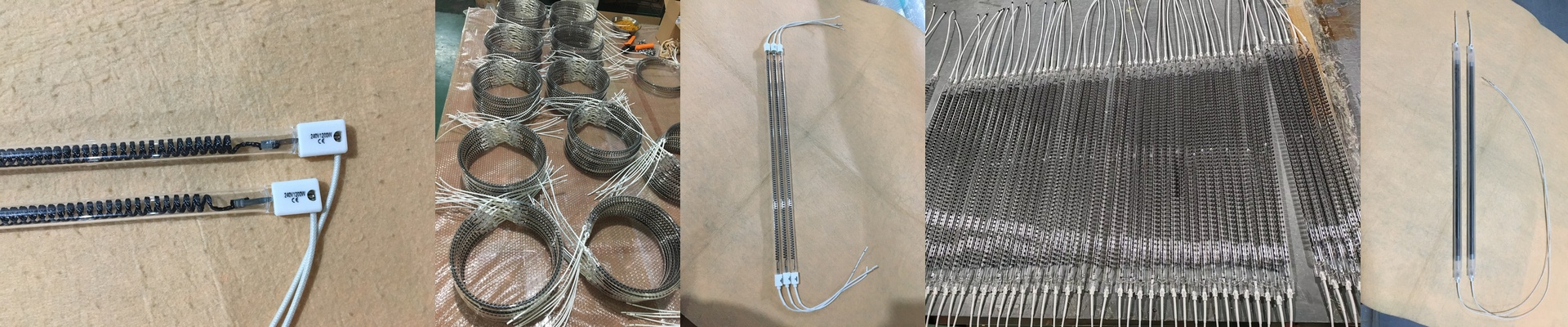
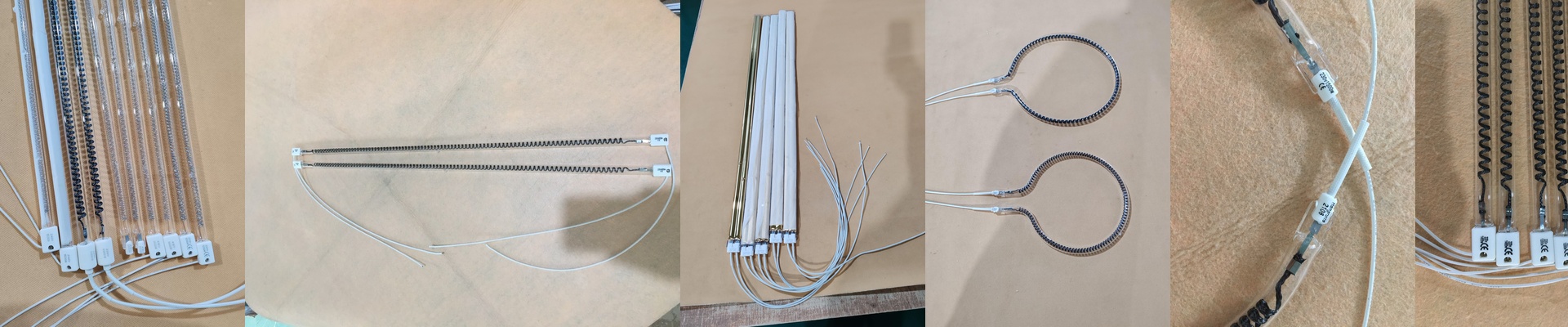
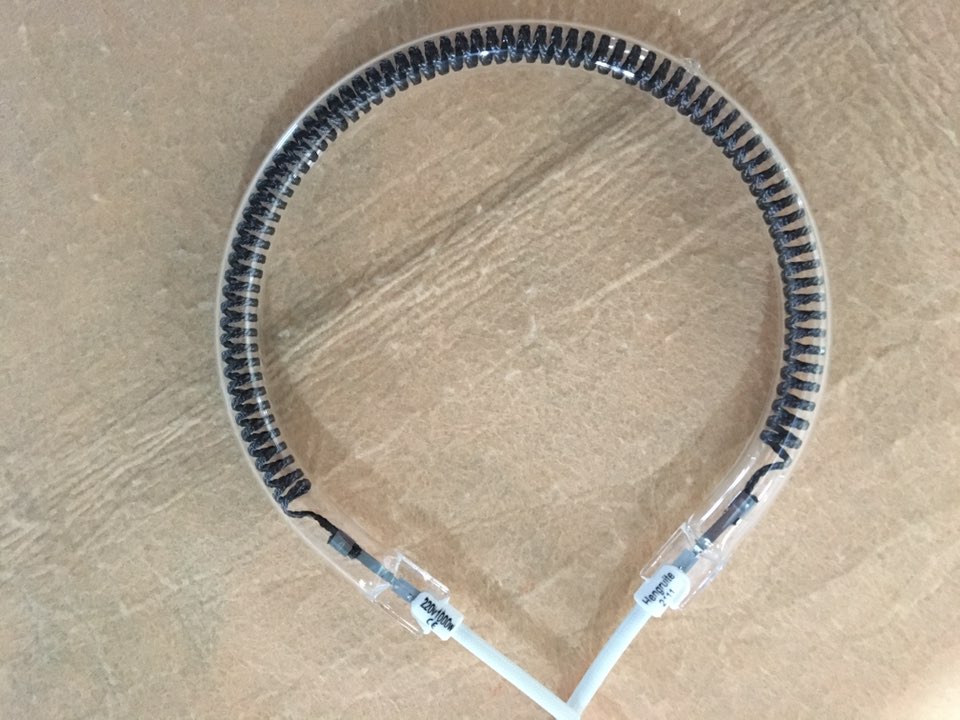
We built the IR carbon fiber heat lamp because industrial machines often need one thing: fast, pinpoint heat. It’s a high-output quartz-tube radiant heater, designed for jobs where you can’t waste time warming up the whole machine bay. Instead, you need power that hits the exact spot, right when you need it.
The Inside Story
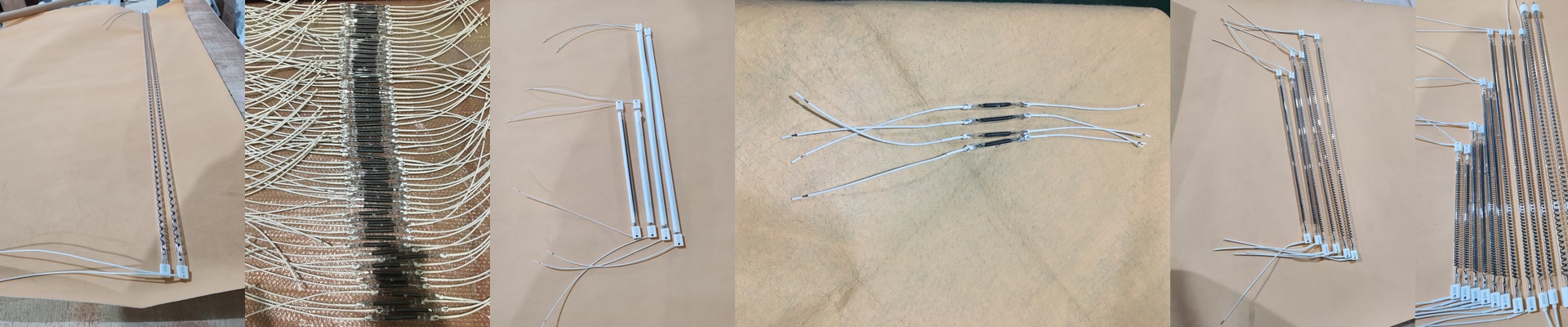
Here’s the thing: space is at a premium on a busy factory floor. So we kept the lamp compact—think around 300mm long—so it slips right into tight spots and crowded tooling. We run it at high wattage in a 400V setup, because you need serious heat density to ramp up fast and hold steady, even when the machine never stops. And the electrical design stays simple and repeatable, so it’s straightforward to install and service. But with that kind of concentrated power, there’s a clear trade-off: you need a properly rated cooling path in the equipment. That’s how you keep everything—components and wiring—running within safe temperature limits, day after day.
Materials and Design
Inside the quartz tube, we pair the carbon fiber filament with halogen fill gas. That combo does two big things: it stabilizes the filament at high temperatures, and it cuts down on hot-spot drift. The payoff is a longer, more stable working life compared with basic resistance heaters. The IR output sits in the shortwave, near-infrared band. That matters because it couples strongly with many plastics and coatings, so you get rapid surface heating. Installation is intentionally easy, too. We use an R7s base, so it drops right in as a replacement in standard holders. The quartz envelope handles thermal shock, and the sealed build keeps the filament clean and protected from contamination.
Where It Shines
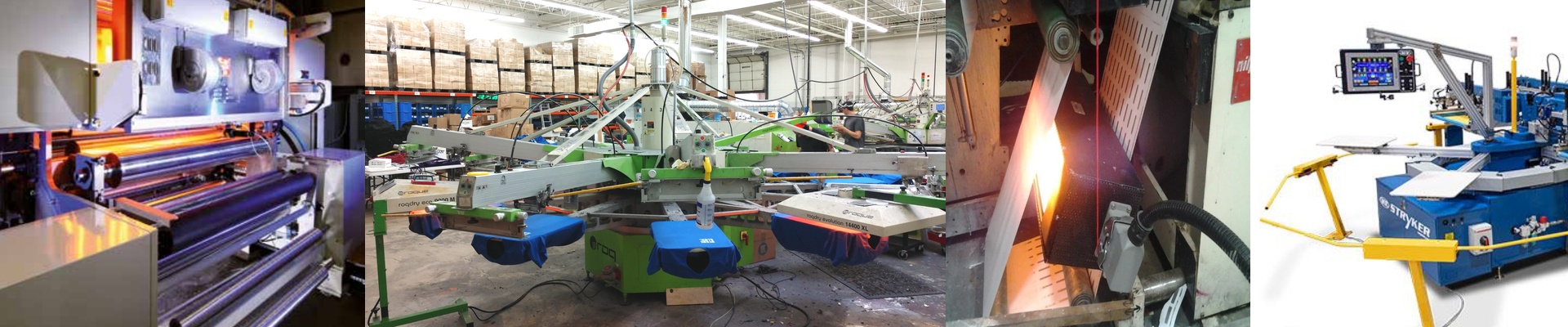
These lamps are a natural fit for plastics heating—especially PET blowing—where you need quick, uniform surface heat in a small footprint. The compact tube and focused IR profile let you place heat exactly where it matters: at the preform or parison. That precision helps you keep cycles consistent. For engineers, the appeal is straightforward: you get a lot of power in a small package, with simple installation and performance you can count on, shift after shift.