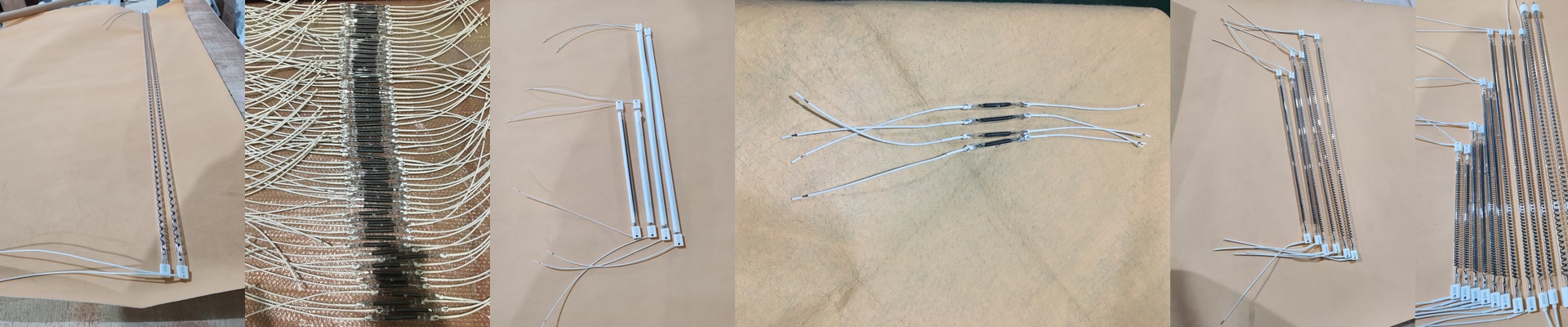
Carbon IR Lamps: The Heat You Need, Where You Need It
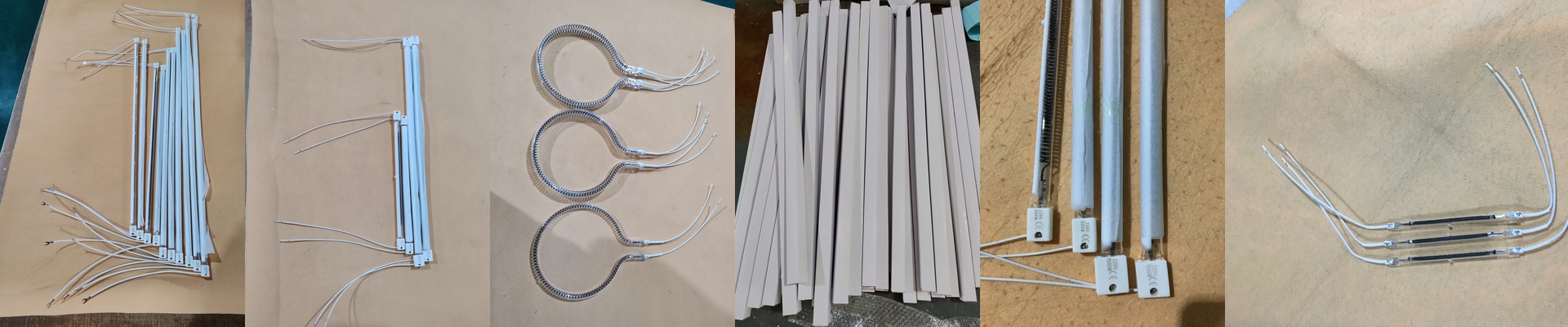
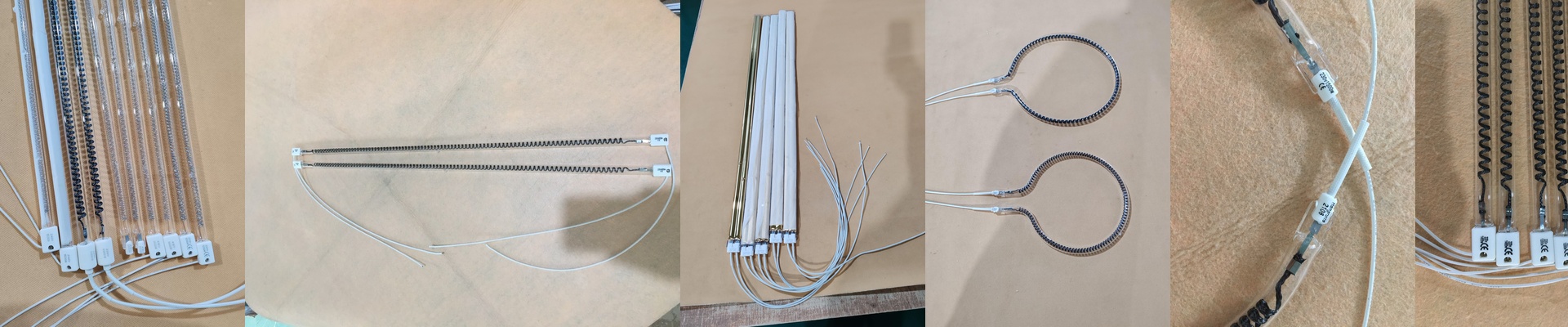
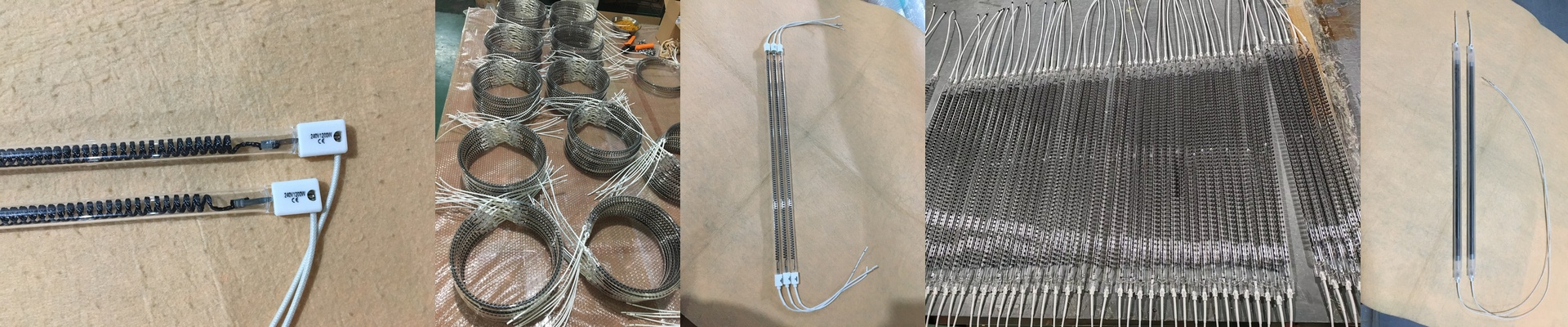
Let’s talk about getting heat—fast—without turning your whole plant into a sauna. That’s what these carbon infrared lamps are all about. They’re built for machines that need intense, controllable heat in a seriously tight space. Here’s the idea: deliver a blast of radiant heat exactly where you need it, and leave the rest of the room alone.
The Nitty-Gritty: Size, Power, and Speed
We’re talking about a compact 300mm quartz tube, designed to slip into those cramped spots on packaging lines, thermoformers, and laminators. It runs on 400V, which is chosen to deliver high current and a rapid temperature rise across a short element length. In plain English? It hits target temperature almost instantly, so you spend less time waiting around for your machine to warm up. It’s rated at 2500W, which packs a lot of heat into a small surface. That’s perfect when you need focused radiant energy. But—and this is important—that kind of intensity means the surrounding hardware needs to stay cool. Give it proper airflow and enough space, or your control electronics and nearby parts will start running way too hot.
What’s Inside, and Why It Matters
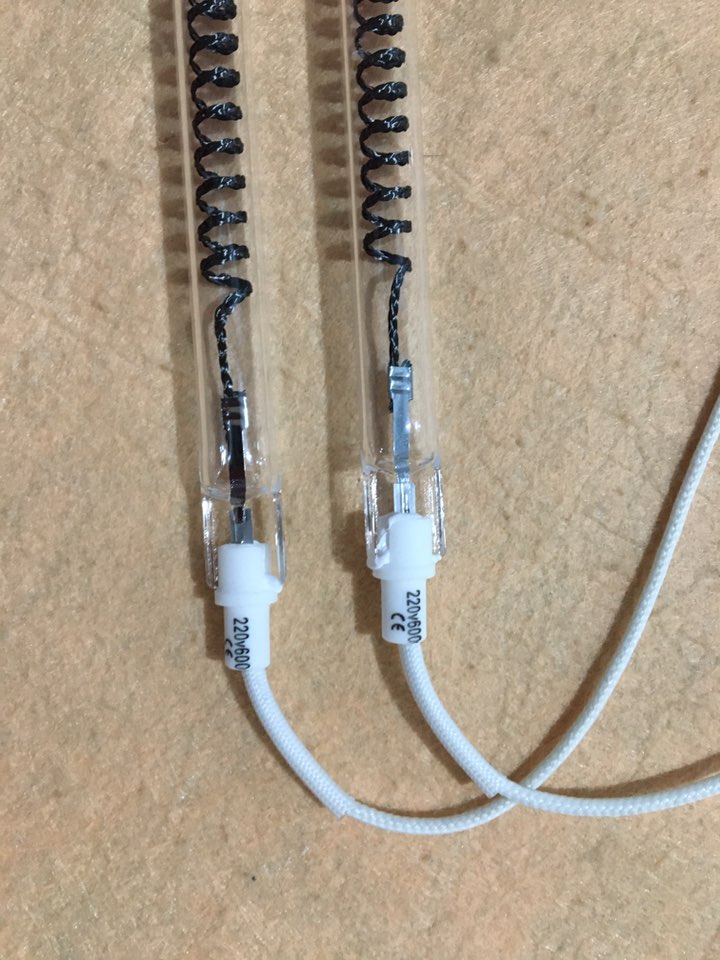
Inside the tube, you’ve got a carbon filament paired with a halogen gas fill. The halogen cycle helps keep the filament stable, cutting down on evaporation and preventing that blackening you see in other lamps. The result? Consistent output over the life of the lamp. The quartz envelope is chosen for serious thermal shock resistance, so it can handle repeated on/off cycles without cracking. Then there’s the R7s base. We picked it because it makes industrial installs straightforward. It gives you a secure, aligned connection with good contact pressure and repeatable positioning. When you’re wiring up a line, that means a drop-in replacement that locks in the same way every time.
Where It Shines—and What You Need to Know
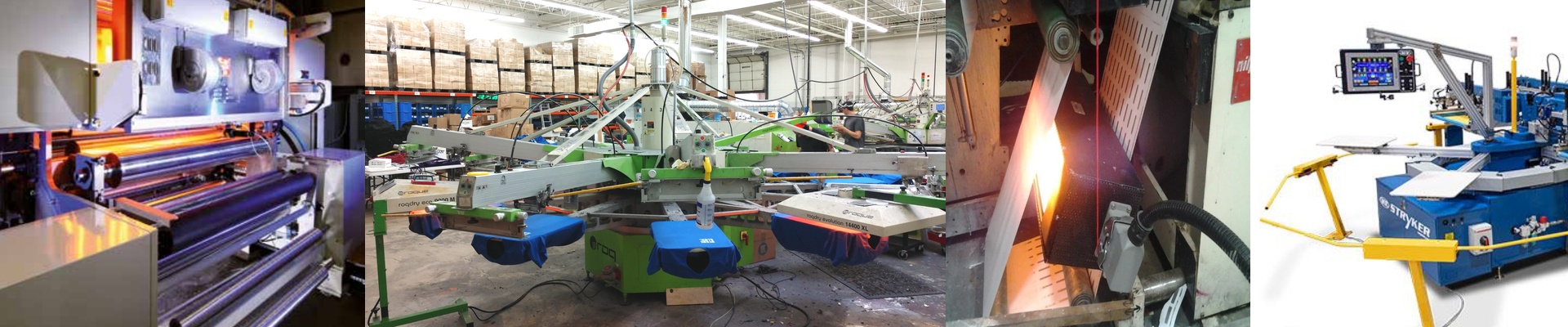
You’ll see this setup a lot in plastic processing—PET blowing, film heating—where the heat has to hit the material quickly and evenly. The shortwave IR profile is all about surface heating, which helps keep excess energy out of the machine frame. This lamp is specced for harsh environments because, let’s face it, the factory floor is tough. It starts fast, holds its output, and installs as a standard replacement. Just keep one thing in mind: that high heat density needs proper cooling and thermal management. Plan your airflow and mounting clearances from the start, or you’ll end up wrestling with thermal overshoot.