Getting Your Mimaki UV Lamps Right (Without the Headache)
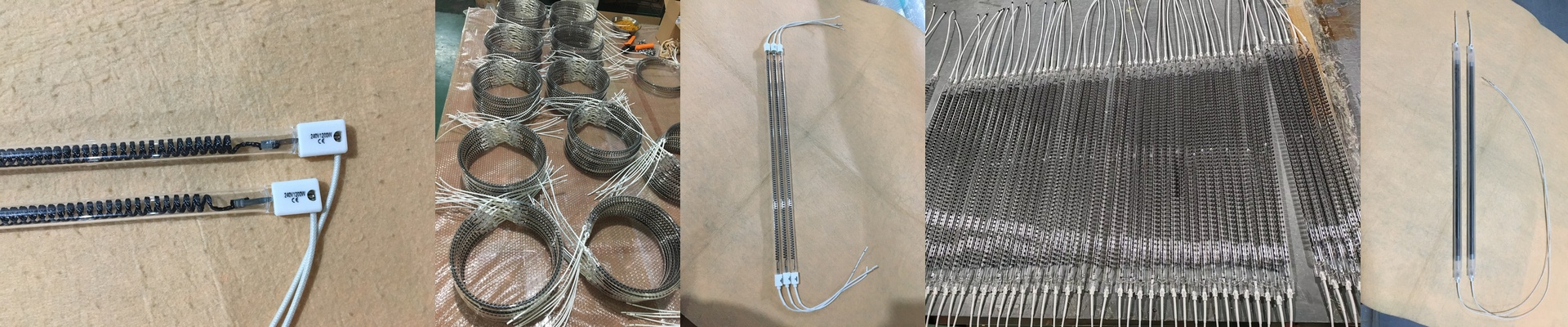
Replacing a UV lamp in a high-end printer isn’t as simple as just grabbing any part with a matching number. If the spectral output is off or the fit is slightly wonky, you risk ruining an entire print run. That’s a nightmare nobody wants. We build our replacement lamps to be true “drop-in” parts. Whether you’re running one of the five big global brands or a mixed fleet, we focus on the stuff that actually matters: the electrical load, how the metal expands when it gets hot, and making sure the connectors click into place perfectly.
The Science of the Glow
Here’s the thing about UV curing: it all comes down to the wavelength. If it isn’t exactly right, the ink just won’t trigger. We use a specific kind of high-purity fused quartz glass. Why? Because we need the UV light to get through without letting too much infrared heat soak into the machine. If the glass is too thick, you lose your punch. Too thin, and the lamp pops under pressure. We found the sweet spot so the glass can handle those rapid start-stop cycles without cracking.
The “Will It Fit?” Factor
A lamp that’s even 2mm too long is basically a paperweight because it won’t seat in the housing. It’s frustrating. That’s why we keep our tolerances tight. Our tubes slide into the reflectors easily, and the pins fit without you having to force them. We use standard industrial connectors to keep the voltage steady, too. But a quick tip: if you’re pushing these lamps to their max wattage,**keep your cooling fans clean.**If your filters are clogged, the lamp will overheat and burn out early. It doesn’t matter how good the lamp is if it can’t breathe.
One Lamp, Many Machines
Most of the big printers actually use very similar power setups. We spent a lot of time reverse-engineering the requirements of the top five brands to create a single, reliable baseline. This is a huge win for your inventory. You don’t need to juggle five different SKUs just because you have a few different machines in the shop. You get the same curing speed and ink grip across the board. Just double-check your voltage and wattage before you wire it up, and you’re good to go.