Introduction
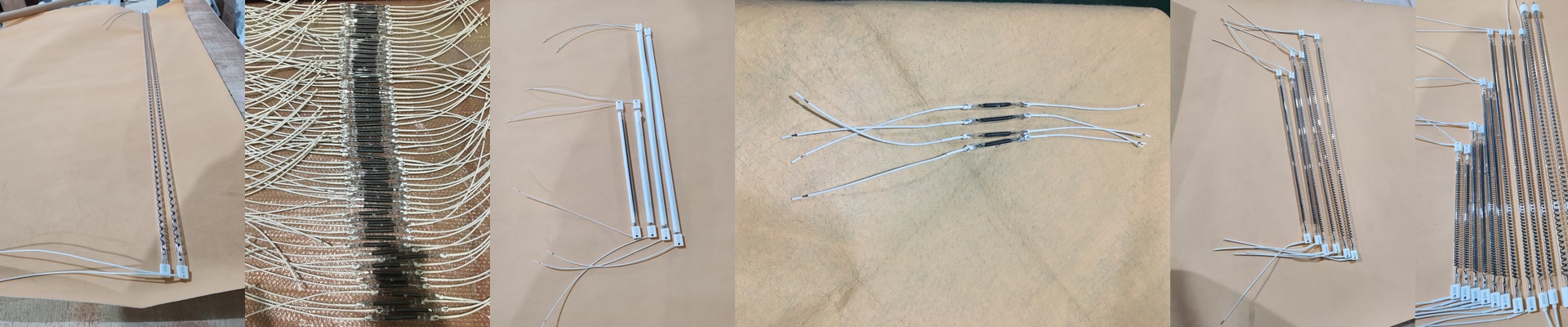
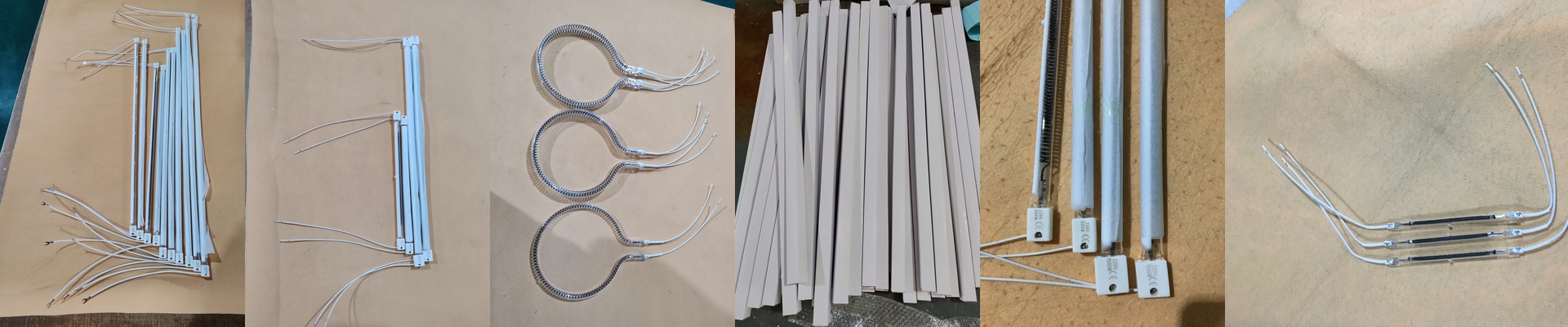
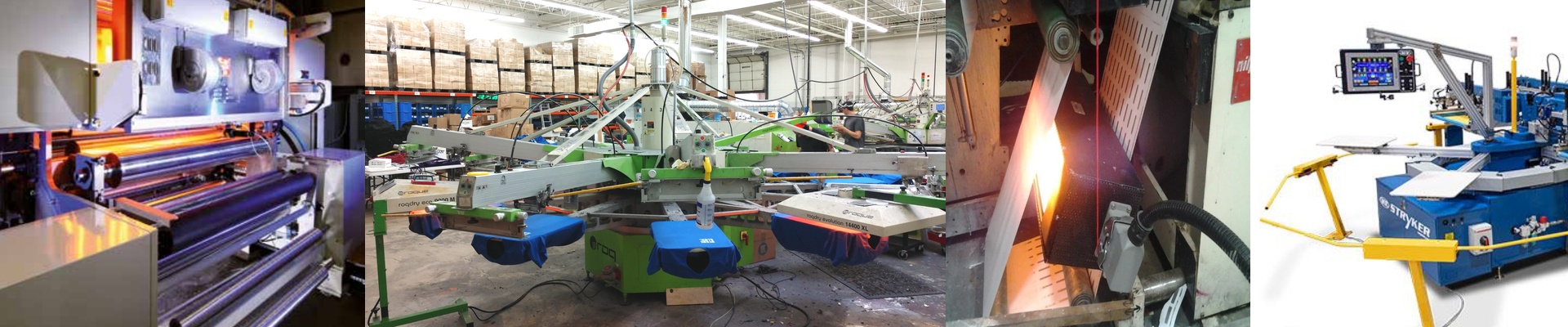
We build these carbon fiber quartz halogen heating tubes for engineers who need heat that’s tough, compact, and doesn’t quit. If you need serious power in a tight spot—like on packaging lines, plastic processing, or drying setups—this is your answer. The whole point is simple: steady, controllable infrared heat that’s built for day-after-day, non-stop duty.
The Why Behind the Specs
That 400V, 2500W rating on a 300mm tube? It wasn’t chosen on a whim. It’s all about packing in the heat density. Running at 400V keeps the current lower than you’d get with lower-voltage options, which means less stress on your wiring and terminals. And the 300mm length gives you a clean, defined heat zone that’s easy to work into a machine design. The result? Predictable watt density right where you need it. So you can size your heating profile accurately without having to overbuild the whole system.
What’s Inside and Why It Matters
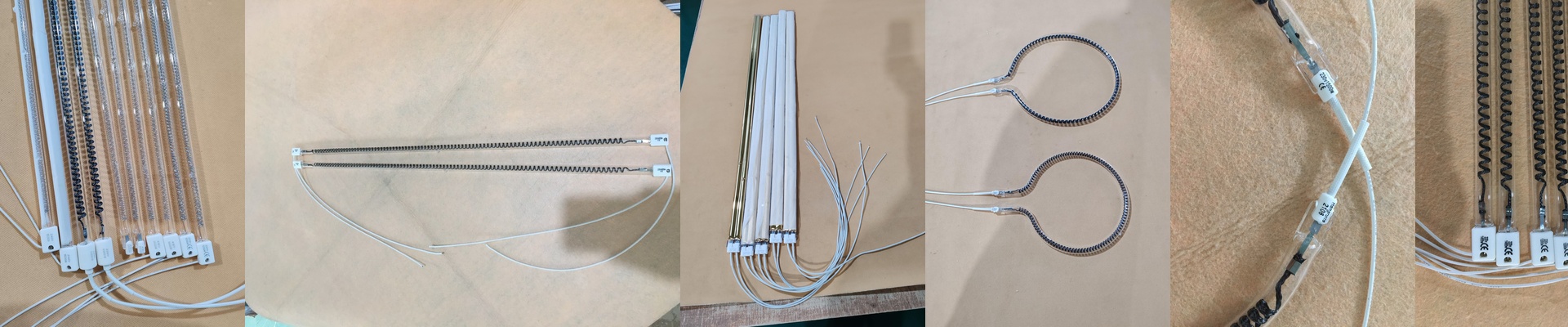
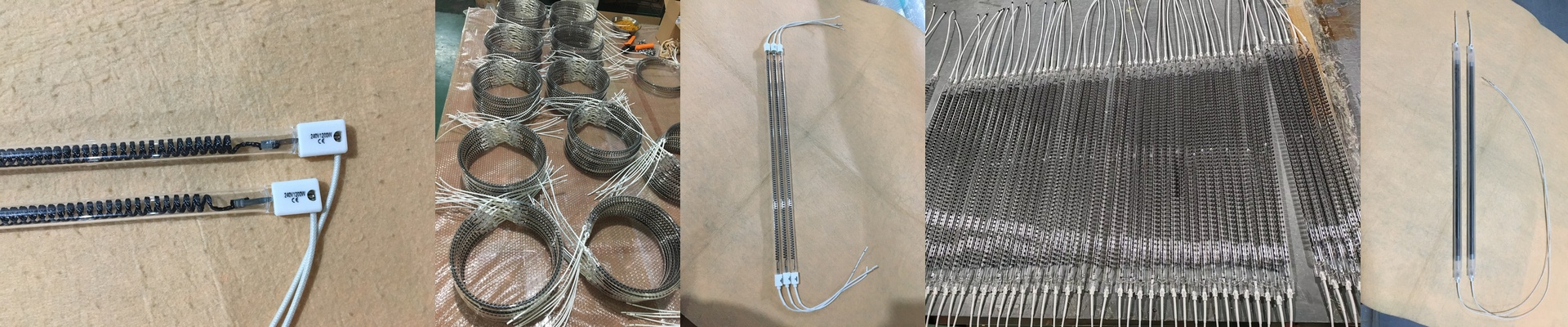
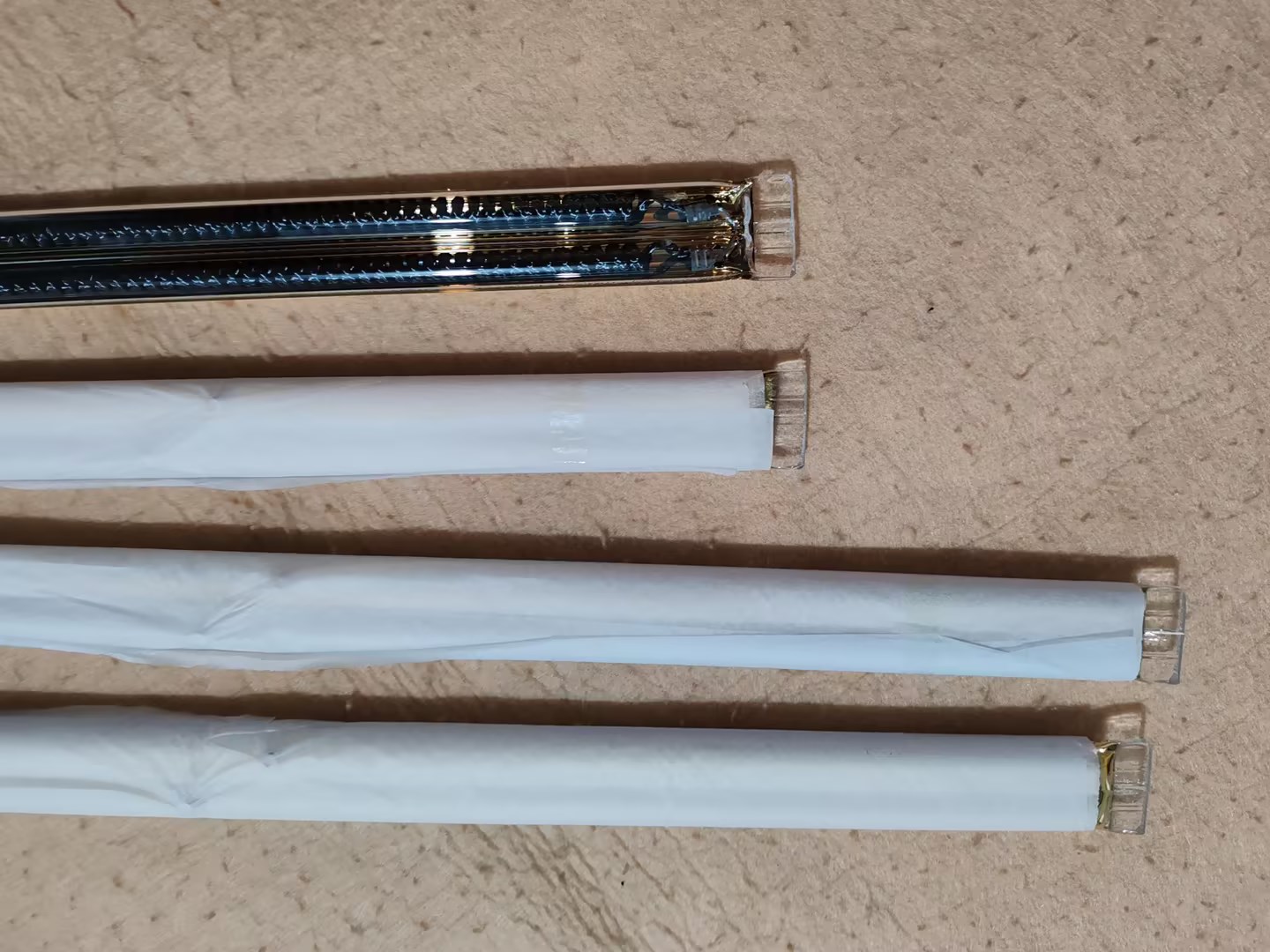
At the core is the carbon fiber heating element, tucked inside a quartz envelope. That carbon fiber is what gives you the fast response and steady resistance, even after thousands of heating and cooling cycles. The quartz tube, in turn, handles the high temps and shrugs off thermal shock. And the halogen fill gas is the secret sauce that keeps the filament healthy—it lets the tungsten redeposit instead of blackening the tube wall, which means a longer life. Then there’s the R7s connector. It’s a proven, reliable bi-pin base that locks in fast and carries the load without breaking a sweat. It gives you a straight, rigid connection that’s easy to mount and wire, and it’s a standard part you can replace without a hunt.
Where It Shines and What to Keep in Mind
These tubes are the go-to when you need focused infrared heat, fast. Think shrink tunnels, laminating presses, or the preheat zones on PET blowing lines. The beauty is the compact size. You get high power without taking up a ton of space. But here’s the reality check: packing 2500W into a short length means you’re dealing with serious localized heat. So your machine needs proper cooling and thermal isolation to keep nearby parts safe. Get the mounting and airflow right, and you’ve got a heat source that fires up quickly, holds its temperature steady, and can be swapped out in the field when it’s time for a replacement.