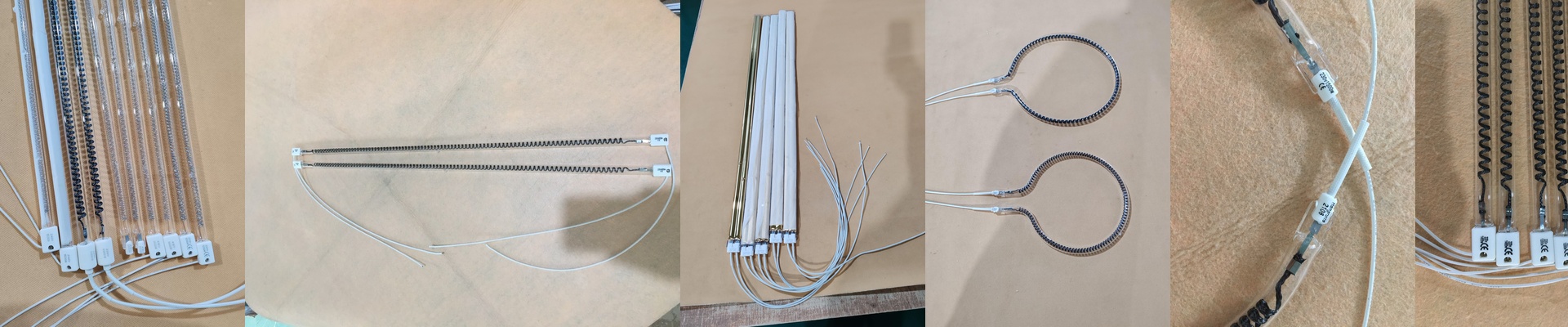
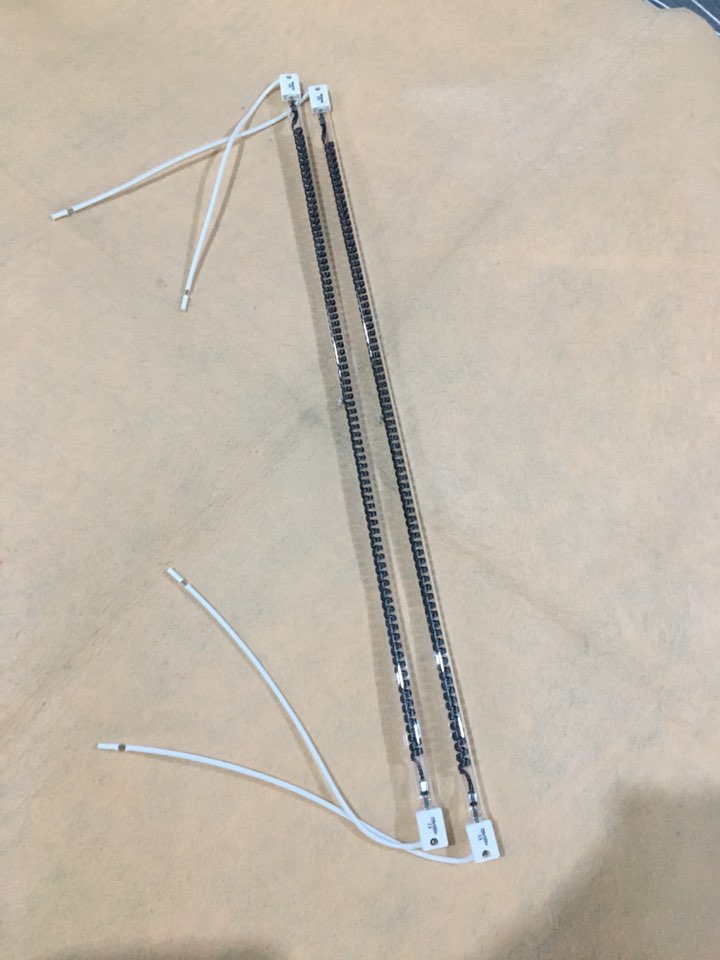
500W Carbon Heater Lamp: Serious Heat, Built for Precision Work
We built the 500W carbon heater lamp for the folks who need intense heat they can actually control—in a package that doesn’t eat up space. It’s a shortwave infrared emitter, made to jump to temperature fast, so your industrial processes don’t have to wait around.
Power, voltage, and the practical stuff
Rated at 500W, this lamp gives you high heat density without demanding a ton of current. You can match it to your plant’s power supply, with common options like 230V and 400V. And the size? It’s designed to slip into standard reflector setups and tight heating zones. That means you can fit a serious hot zone into cramped machinery without having to redesign the whole line. The wattage-to-voltage pairing is chosen to keep heat output strong while staying friendly to your control circuitry and contacts.
What it’s made of—and why it matters
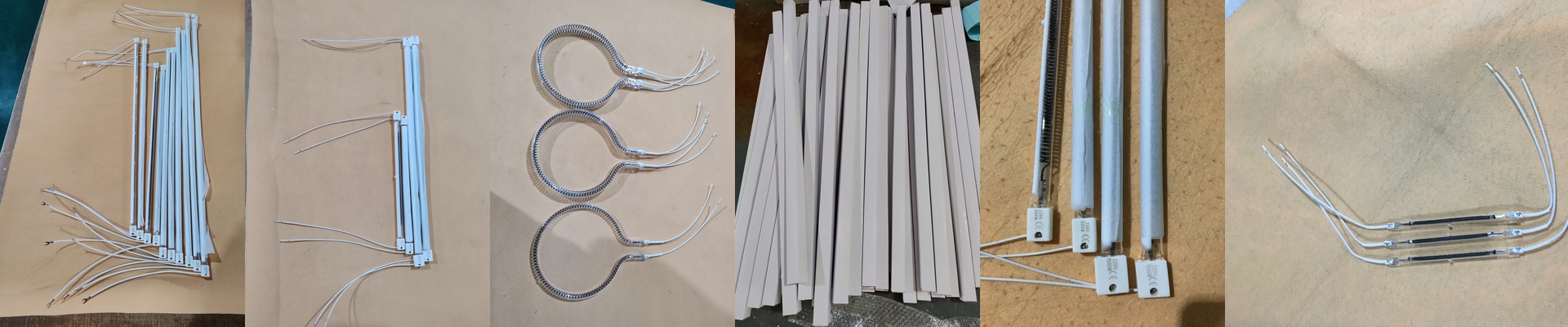
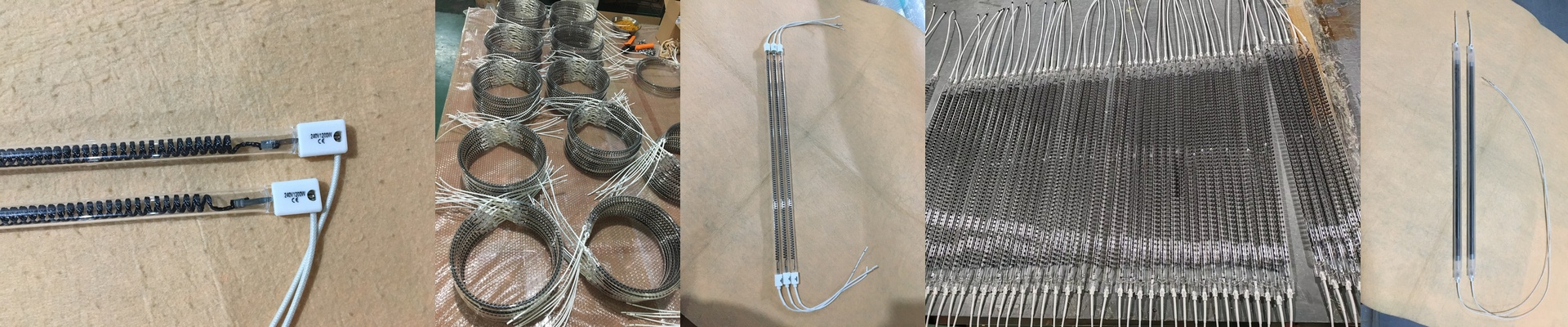
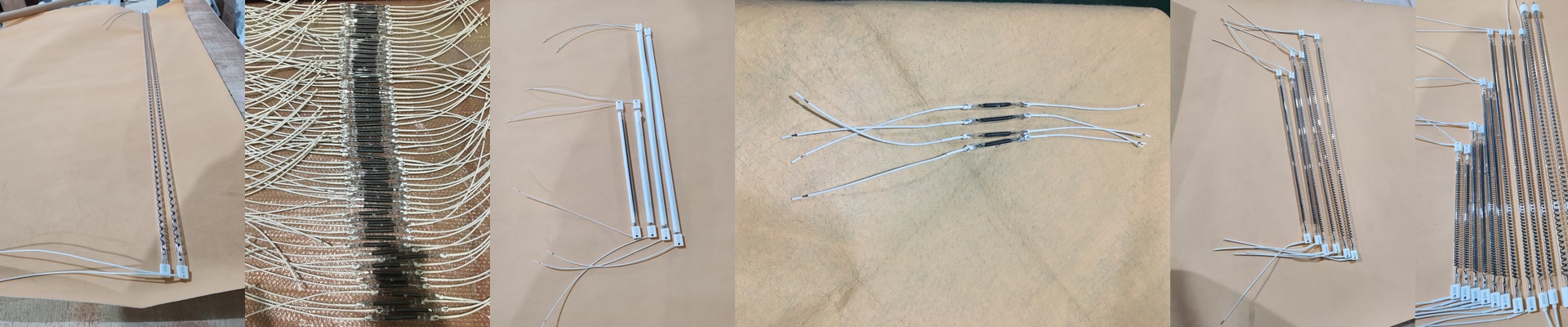
Inside, you’ve got a carbon filament tucked into a quartz envelope. That combo is all about staying stable at high temps and responding quickly when you need heat. The quartz also has a specialized reflective coating that pushes shortwave IR forward, so more of that power lands where you want it. Then there’s the R7s base. It’s a solid, two-point connection that stays tight even through repeated heating and cooling. And if you’re replacing an existing R7s-mounted heater lamp, this drops right in—no fixture modifications, just wire it up and get to work.
Where it shines—and what to keep in mind
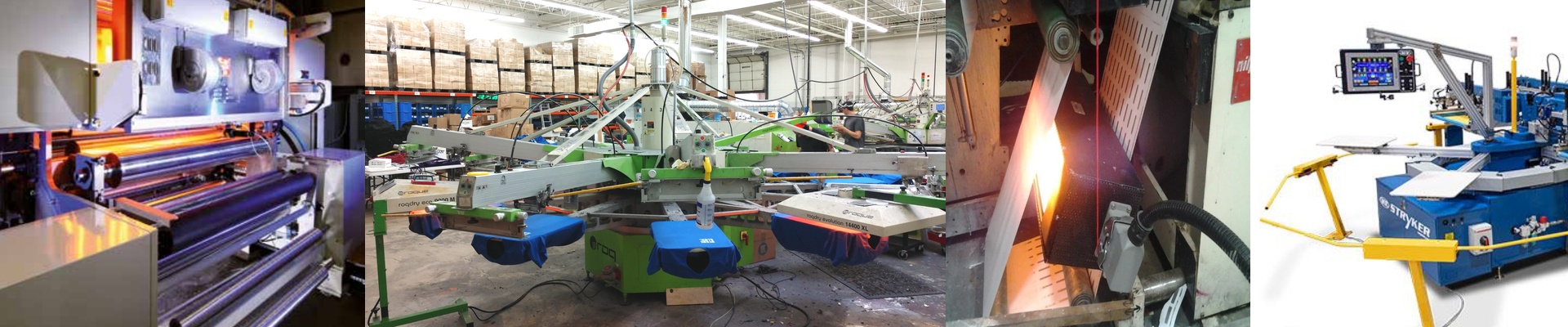
This lamp is for the moments when fast heat-up and focused heat are non-negotiable: PET blowing, thermoforming, adhesive curing, plastic welding—places where timing and temperature really matter. Shortwave output gets in fast, which can cut cycle times compared to lower-density options. But here’s the thing: that kind of heat density needs proper cooling and shielding around the lamp and reflector. You’ll get consistent performance, but do double-check your machine’s ventilation and clearance. Keeping nearby components from running too hot is part of making this work smoothly.